
 E-Paper



Surge in influenza-like illnesses at city hospitals
Dr H K Sale, executive director of Noble Hospital, informed that cases of severe flu are on the rise and the ICU facility at the hospital is running full


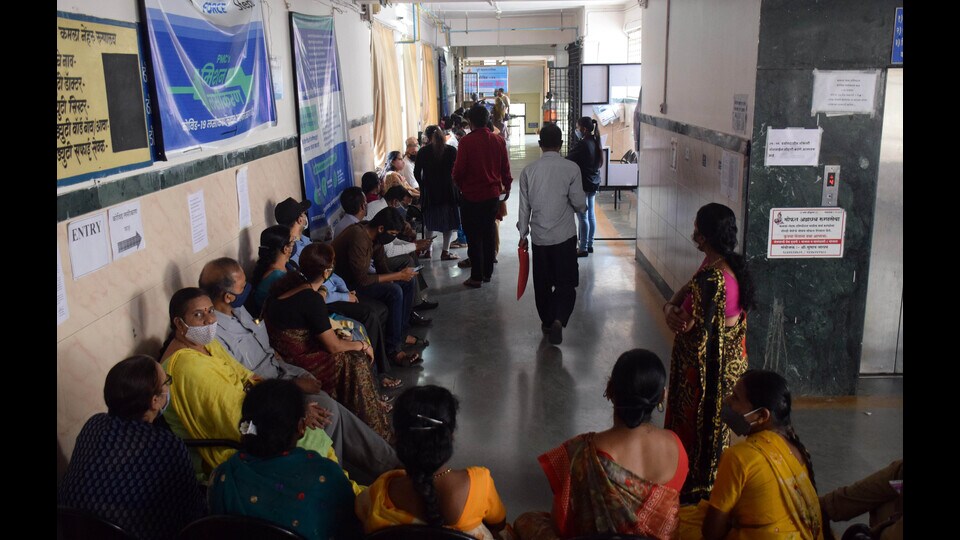
PUNE: Due to fluctuating weather, there is a spike in influenza-like illnesses (ILIs) and intensive care units (ICUs) at hospitals across the city are running full with patients – mostly children and senior citizens - suffering from ILIs like pneumonia, respiratory tract infection and acute respiratory infection (SARI).
Dr H K Sale, executive director of Noble Hospital, informed that cases of severe flu are on the rise and the ICU facility at the hospital is running full. “There are patients admitted with severe complications like acute respiratory distress syndrome (ARDS), pneumonia and severe acute respiratory infection (SARI). The elderly and a handful of children constitute the majority of severe flu patients,” he said.
According to doctors, outpatient departments of city hospitals are seeing a growing number of patients with flu-like illnesses. Most of these patients complain of fever, chills, myalgia, headache, malaise, cough and sore throat. Most people diagnosed with flu recover in less than two weeks. However, influenza virus infection of the respiratory tract can cause a wide range of complications resulting in diseases that can be life-threatening, doctors said.
Dr Rhea Punjabi, medical superintendent of Inlaks and Budhrani Hospital, said that since the past two weeks, the ICUs at these hospitals are running full with patients suffering from ILIs. Along with regular influenza infections, H3N2 infections are also on the rise. “We are isolating H3N2 patients in a separate ward. Most of the patients admitted with ILIs and SARI are aged above 45 years. Around 20 to 25 patients visit the OPD with flu-like illnesses,” she said.
Dr Abhijit Lodha, physician at Ruby Hall Clinic, said that people are visiting OPDs with flu-like symptoms. The aged and high-risk patients with complications such as respiratory tract infections and pneumonia form the majority of patients admitted with severe flu. “We suggest everyone takes the influenza vaccine every year. Children and those above 50 years of age are vulnerable to severe flu and should take precautions,” he said.


