
 E-Paper



Sutradhara’s Tales: When rhinoceros, tigers and elephants roamed Pune city’s grounds
Peshwas are known to have fetched some extremely rare animals and birds such as Kasturi mriga (Alpine deer) and Himalayan variety of pheasants to Shahu through contacts in the northern states

 Prefer HTon Google


You might think that I am referring to really old prehistoric era here when such animals might have roamed in Pune’s environs; and that should not surprise anyone. But hold on, I am not talking about some ancient past, but merely three century old Pune’s landscape.
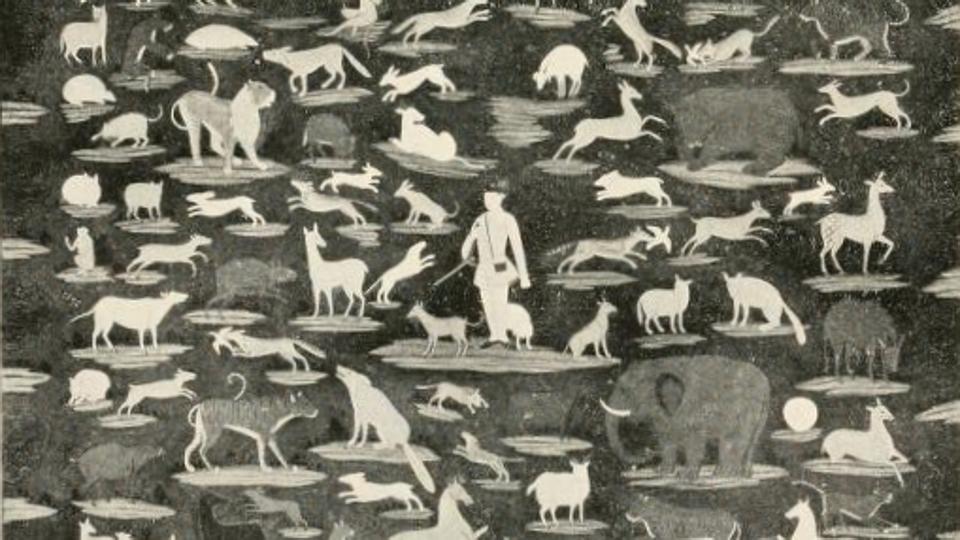
And though Pune might have been greener than today, it would not sustain natural population of rhinoceros back then. So, which animals am I referring to? I am referring to Shikharkhana of medieval period in 18th century situated right in the heart of the Pune city.
Medieval kings, nobles and commanders are particularly known for practicing hunting as a sport and maintaining elaborate menageries for purpose of entertainment and curiosity. Hunting as a sport trained kings, commanders and soldiers to effectively practice for war. May it be tracking the wild animals, launching ambush, close combat with animal, alert surveillance and monitoring, sport of hunting offered many avenues to keep one’s reflexes and rigour sharp for the battlefield.
The act of heroism and sense of achievement provided for entertainment and leisure. Tender meat of various animals was coveted, too. In areas bordering large wilderness and wildlife populations, culling of vermin and wild animals such as wild boar and wolves was required by the farming people.
Hunting as a sport is a great indicator of participants’ temperament, flexibility, reflexes on ground and courage. It also helped in building trust amongst troops and singled out the cowards who would be most likely to deflect. And yet, many treatises on statecraft advise against excess indulgence in gaming and hunting.
Mughal emperors such as Akbar and Jahangir are particularly fond of hunting as well as collecting various animals. We come across rich repository of medieval miniature paintings from Jahangir’s court illustrating various birds and animals, including some as extraordinary as a “Dodo” bird.
Raja Shri Shahu Chhatrapati I who was brought up in Delhi court was particularly fond of gaming and would spend majority of time in hunting camps across forest country. Ministers would seek his council in such camps from where he is known to have operated crucial state affairs.
Of the eighteen operating factories (karkhana) of the state, “Rajya-vyavahar-kosh” authored by Raghunath Pant Amatya enlists “Shikarkhana” as important unit. Many areas in kingdom were reserved as gaming sanctuaries eg Radhanagari wildlife reserve. Fish pools were specially reserved and guarded for fishing season.
Bajirao Peshwa I had issued a hunting ban and appointed guards in area between Jejuri to Purandar to specially reserve the wildlife stock for Chhatrapati Shahu’s customary visit in 1731. Nanasaheb Peshwa personally writes to Chimaji Appa to gather Patils in Pratapgad region for Chhatrapati Shahu’s gaming adventure.
Peshwa archival records are full of references to various wild animals procured and trained as keepsake and hunting aid. Daily diaries of Peshwa notes “Two Baaj (peregrine falcons) and one Chitta (cheetah) were send as a gift to Shahu maharaj” by Bajirao Pehshwa I. Pure breeds of hounds were specially sought out by Shahu maharaj and Peshwas have known to send as many as 40 hounds in one package to be trained as hunting dogs.
Peshwas are known to have fetched some extremely rare animals and birds such as Kasturi mriga (Alpine deer) and Himalayan variety of pheasants to Shahu through contacts in the northern states. The belief prevalent in those days that the” shadow of Himalayan pheasant bird ensures kingship” made Tipu Sultan install a replica of Himalayan pheasant on umbrella above his royal seat.
Though Nanasaheb Peshwa is not known for his particular hunting prowess, one finds eloquent references to Shikarkhana established by him at Pune, in various Marathi Powadas (heroic eulogised poetry) of local bards. Shahir Shivram Pimpalgaonkar describes choicest of wild fauna in Nanasaheb’s Shikharkhana such as rhinoceros, fierce tigers, sambar, deer, blackbucks and falcons specially trained for hunting, lions and other creatures.
The vacant plot between Sarasbaug, Lotan baug, Parvati hill and Vitthalwadi was then assigned to Shikarkhana by Nanasaheb Peshwa. Island in Sarasbaug lake was already home to various cranes and migratory birds. “Pilkhana” of Peshwas stocked the elephants which would be put to use in battles as well as hunting expeditions.
Letters were dispatched all across India to fetch wild animals and birds of most extraordinary nature to populate the Shikarkhana. A letter to Vitthal Shivdeo mentions orders fetching bird called “Chakor” who is mythically known to feed on moonlight. It is in reality the “Chukar”, a rock partridge and gaming bird found in temperate belt of India. Karnaji Shinde, commander of fort Mahuli, was ordered to capture young ones of peacocks, Indian Gaur and wild boars and transferred to Pune.
Special events of wild combat were hosted for entertainment of state’s guests. Record from elder Madhavrao’s wedding ceremony informs us of a special event of tiger-elephant combat hosted by Nanasaheb Peshwa which resulted in death of one tiger.
The archives also list number of occupations related to Shikarkhana and their wages where various animal trainers are named as Kabutarbaaj (pigeon trainers), Kuttewan (dog trainers), Chhitewan (Cheetah trainers), Haranbaaj (deer trainers), Mirshikar (falcon trainers), Shahagoshwale (carcal and lynx trainers), Fadaitwale (noose and trap makers) and so on. The details of “khurak” (daily feed) for large animals such as tigers, lions and elephants find mention along with the expenses. These records reflect keen understanding of breeding, general behaviour and upkeep of various animals, bird species and signify the particular utilitarian association with wildlife. Skins of tigers, lion, rhinoceros and crocodiles were curated for display purposes or making of expensive artefacts.
Other ministers and Peshwa family members are known to own their smaller and personal menageries near their residence. Beautiful birds and small mammals were kept as pets by female folks.
Shikarkhana at Pune suffered a heavy damaged during Nizam’s attack on Pune in 1763. Madhavrao Peshwa resurrected Pune and re-established Shikarkhana, but he himself was too busy in campaigns to seek past time at Shikarkhana. It was during Sawai Madhavrao Peshwa’s term that Shikarkhana at Pune enjoyed its golden days. We shall delve on Sawai Madhavrao’s special affection towards wildlife in the next column.
Saili Palande-Datar is an indologist, environmentalist, history researcher and farmer. She can be reached @ sailikdatar@gmail.com


