
 E-Paper



Taste of life: In a dog fight for a puran-poli
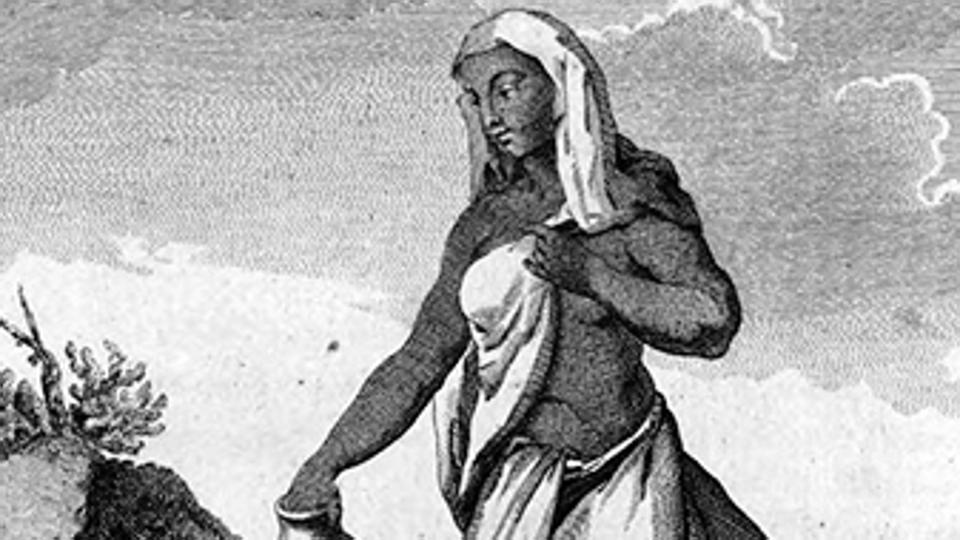
Widows in colonial India were routinely subjected to several dehumanising practices. They were forced to tonsure. They were allowed to cook in some households, but had to use a separate stove and utensils for cooking their own food


The year was 1862, and the month probably March. A feast was organised by one Mr Vidwans who lived in Sadashiv peth, on the completion of some religious rituals by his wife.
Fifty-one priests and 21 couples were the guests of honour. There were a hundred other guests who were invited for the feast which was to follow the puja in the morning. The venue was the narrow lane in front of Mr Vidwans’ house.
Puran-poli (flatbread stuffed with a sweet filling made from skinned split bengal gram, jaggery, cardamom and nutmeg) was served to the guests. One could imagine the guests relishing hot puran-polis drenched in homemade ghee.
The feast went on till late afternoon after which the lane went silent. Leaf plates, half eaten puran-polis and other leftovers were strewn all over. A few men and children were now busy rummaging through the heaps of plates. They belonged to the so-called “lower castes” and were allowed to gather the leftover food after the feasts were over.
That night, Mr Vidwans was woken up by the incessant barking of dogs. Assuming there was a thief trying to break in, he went out to take a look and was surprised to find a terrified woman trying to pick a puran-poli from a heap of leaf plates. She already had one in her hand. The dogs, wanting to have a bite as well, were trying to chase her out.
Tattered copies of “Jnanaprakash” from the archives of the Savitribai Phule Pune University tell us about a mini scandal that broke after the woman was found competing with dogs for a puran-poli. Though the newspaper does not reveal her identity, it mentions that she was an “upper caste” widow who lived with her in-laws nearby. She had heard the men of the house talk about the feast and had sneaked out in the night to have the leftovers.
She was not supposed to be seen outside her home in the night. She was not supposed to be anywhere near the feast. Her presence was considered a bad omen. And yet, there she was.
She was 18. And hungry. She had not eaten for two days.
Widows in colonial India were routinely subjected to several dehumanising practices. They were forced to tonsure. They were allowed to cook in some households, but had to use a separate stove and utensils for cooking their own food.
The easiest and most brutal way of controlling someone is through food, by restricting what they can or cannot eat. Widows in India were hit where it hurt the most.
They were to eat only once a day. They were allowed to have some puffed rice and milk for dinner. They would sit on the floor in the kitchen for their meals, with their faces towards the wall. There was a long list of don’ts: No meat, no onion and garlic, no spices, no red lentils.
Some widows were not allowed to eat salt. Cucumbers and bananas were out of question too, because of their phallic shapes. These were also considered “heaty” foods that would ignite their passions. Passion was not allowed in the husks of womanhood that widows were supposed to be.
Widows often had to rely on other women of the household to satiate their hunger. Women of the family ate after men finished their meal. They had to manage with leftovers most of the time.
Their meals rarely comprised vegetables. The skin of different vegetables like pointed gourd, bottle gourd and ridge gourd were roasted with sesame seeds and peanuts and eaten with rice. Women were bound to consume everything, since the best was always kept aside for men. But, widows were often denied that privilege too.
Adherence to these practices persisted even after the Hindu Widows’ Remarriage Act of 1856, which reversed the hateful convention of forbidding widows from remarrying, and the British outlawing of sati, the horrifically theatrical practice of making a widow self-immolate on her husband’s funeral pyre.
The stigmas around widowhood did not die with these formal, legal mandates. They still flourished in private. Even as these reforms were taking shape in colonial Maharashtra, women were still collateral damage.
A small debate ensued after Mr Vidwans apprehended the woman with a puran-poli in her hand. The orthodox were quick to point out that the liberals were behind such outrageous acts and, that widows had to be controlled with more diligence. A few wrote about the ill practices surrounding religious feasts. No one spoke about the woman’s hunger.
There are only a few issues of the newspaper in the archives and they do not mention the woman with a puran-poli again.
I just hope she could eat the puran-poli that night.


