
 E-Paper



Ryan school murder: Juvenile accused of killing Pradhyumn Thakur to be tried as adult
The Juvenile Justice Board, while ordering trial for the Class 11 student of Ryan International School in the murder of 7-year-old Pradhyumn Thakur, observed that the offence committed was “heinous”.

 Prefer HTon Google


The 16-year-old juvenile accused in the Ryan school murder case will be tried as an adult, the Juvenile Justice Board (JJB) ruled on Wednesday. The Class 11 student of Ryan International School, Bhondsi, is accused of slitting the throat of 7-year-old Class 2 student Pradhyumn Thakur in the school toilet on September 8.
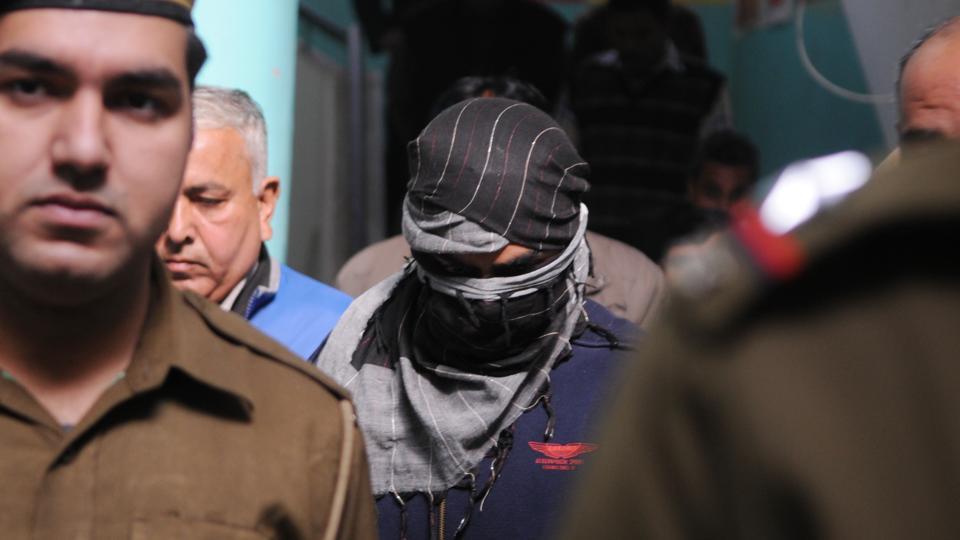
Delivering the verdict for the board, principal magistrate Davender Singh said the offence allegedly committed by the accused was “heinous”. Transferring the case to the special children’s court, Gurgaon, the board held that the circumstances show the teenager was “mature enough” to understand the consequences of his alleged act and to think of ways to escape from lawful punishment.
While the boy’s family expressed disappointment over the order, the victim’s family and their counsel Sushil Tekriwal said they were satisfied, adding they were fighting to set a precedent so that murders by children would stop.
“We were hopeful from the beginning that justice will come our way. Though it’s a long way to go,the first hurdle is over” said Barun Thakur, Pradhyumn’s father.
The board dismissed the defence’s claim that the alleged offence of 302 IPC (murder), which entails a maximum punishment of 10 years, is not made out against the boy. This is significant because according to Section 2(33) of the new Juvenile Justice Act, “heinous offences” include those in which the minimum punishment is imprisonment for seven years.
The defence counsel said the board’s order would be challenged in a sessions court, where a bail application has already been moved, after December 22. The juvenile will be lodged at the observation home in Faridabad during the trial unless he gets bail. The juvenile could still get some relief from the court as the new JJ Act has a provision for the board to re-examine the case and decide whether the teenager is to be tried as an adult or not.
In a 13-page order, the board observed Section 302 of the IPC and Section 25 of the Arms Act has been “rightly invoked” against the teenager.
The JJB arrived at its decision after examining the boy’s physical and mental ability and after hearing lengthy arguments from the police. The police pleas were opposed by the teenager’s counsel, Sandeep Aneja, who argued that the main purpose of the JJ Act is to ensure a juvenile’s welfare.
The JJB also relied on a December 5 report from clinical psychologist Dr Jogender Singh Kairo and a social background report submitted by Nisha Saini, the legal-cum-probation officer from the district child protection unit, Gurgaon, on November 27. The report said the boy was in no manner lacking the mental and physical capacity to commit the alleged offence.
Referring to the report in its order, the JJB said it indicated the accused “has a mature mind although he has immature problem-solving skills. The IQ level of the boy was 95 which means the boy was average.”
According to JJB members, the board observed that the teenager confessed and later retracted his confession and said it was after the torture of the CBI.
The order also stated that the juvenile has been heard by the board on November 22 and he was asked various questions to assess his capacity to commit and understand the consequences of the acts he allegedly committed and he gave answers to all the questions very confidently.


