The gruesome beheading of US journalist James Foley by the Islamic State (ISIS) is a reminder of the ghastly effects of radicalism and the havoc that the jihadi group is wreaking across Iraq and Syria.
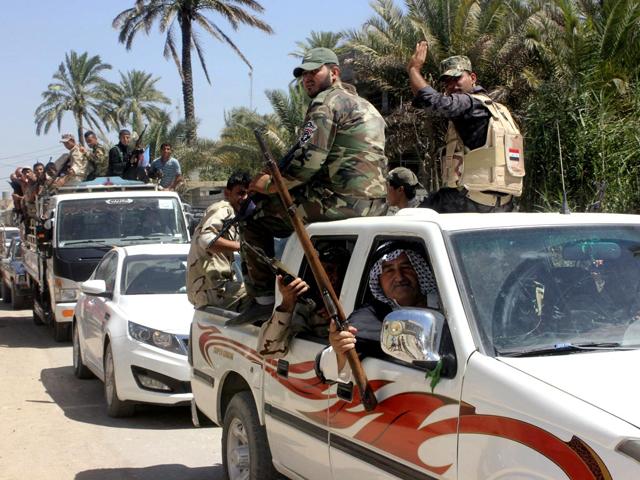
The ISIS is taking over several cities and has been brutally targeting minority Yazidis and Christians. It captured a dozen villages near Aleppo this week, kidnapped four more foreigners and is threatening to kill more journalists.
The ISIS is now recognised as a new kind of terror phenomena. The Guardian says that it differs from groups like al Qaeda that try to radicalise and mobilise popular support through spectacular violence.
The ISIS is instead an ambitious insurgency which is using terror tactics to systematically enlarge the territory it controls.
And even though US airstrikes have stalled its progress, the ISIS will be a lasting threat because it has enormous financial resources, valued at $1.5 billion, that it has secured through control of oil fields in eastern Syria, looting banks and selling antiquities.
The ISIS poses a serious risk to global security since it has attracted thousands of foreign fighters from all over including the Arab world, Chechnya, China, Australia and Europe.
{{/usCountry}}The ISIS poses a serious risk to global security since it has attracted thousands of foreign fighters from all over including the Arab world, Chechnya, China, Australia and Europe.
{{/usCountry}}Foley was beheaded by a masked man speaking with a British accent, once again pointing to the incidence of radicalisation among British Muslims.
Around 500 Britons are believed to be fighting in Syria and Iraq, among an estimated 2,000 foreign fighters who have arrived from Europe.
These fighters were first drawn to the fight against President Bashar al-Assad in Syria and have stayed on to pursue objectives like establishing a caliphate in the region.
Indian nationals have not been immune to the charms of the ISIS.
At least 10 young men are said to be fighting in Iraq. They hail from different places, including Thane, Kerala and Srinagar, and have made their way to battle fronts from locations such as Dubai, Australia and Texas.
These patterns represent newer challenges to law-enforcement, particularly for countries like India that still have woefully weak capacity in the sphere of internal security.
Challenges like these demand improved coordination with other governments and updated laws to reflect the new realities.
India needs to introduce specific legislation that can prosecute nationals who are involved with terror networks or commit crimes in foreign countries.
India should also put its hand to the till in confronting this menace but it is unable to now as many workers remain in the ISIS’ custody. The ministry of external affairs’ West Asia policy will be under scrutiny long after this consular crisis is over.