In all the column inches, or I should say yards, I have read about Narendra Modi’s first year in office I have hardly found any mention of a decision which could have as profound an impact on India’s economy as any of the business and investment measures the Prime Minister has taken or has not taken yet. It’s the decision to put into operation the border agreement with Bangladesh, breaking a deadlock which has lasted 20 years.
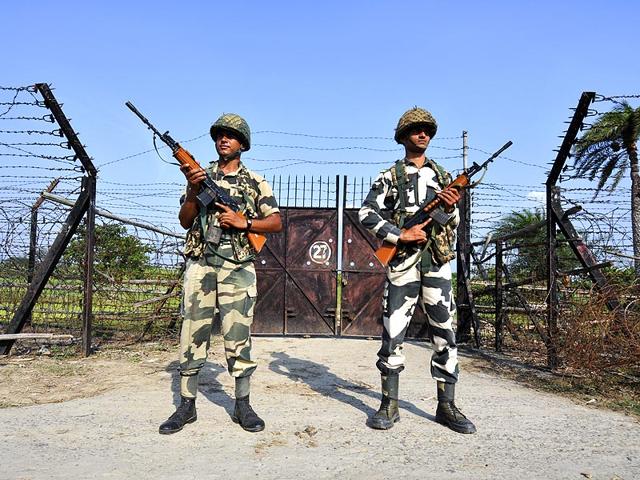
This decision sends out a signal to other countries of the region that India is prepared to overrule domestic political considerations, in this case the concerns of the Assam BJP, to gain the trust of a neighbour. Modi had assured Bangladesh prime minister Sheikh Hasina she could trust him and he’s proved that.
According to a World Bank paper, South Asia is the least integrated region in the world in terms of trade. Why does that matter? Regional integration leads to dramatic increases in trade and economic growth. The border agreement holds the promise that instead of the circuitous route through the Siliguri gap Indians living in the North-East will soon be able to travel across Bangladesh to Kolkata. Mind you, a word of caution here, their train will suffer delays unless the dreaded South Asian petty bureaucrats who delight in causing inconvenience are restrained.
Indians are all too well aware of the negative role lack of regional integration has played in the fight against terrorism. Sheikh Hasina’s willingness to co-operate with India has already shown results in the action she has taken against Assam and Tripura separatist leaders based in her country and their camps.
Lack of trust between India and its neighbours has been the main cause of the dismal state of regional integration in South Asia. India had so little faith in its neighbours’ goodwill that it opposed the creation of Saarc. During the Saarc summit in Thimpu the Bhutanese prime minister took his Nepali counterpart to see a hydro-electric plant built with Indian collaboration and generating power sold to India. He suggested it was foolish of Nepal to allow suspicion of India to come in the way of developing its hydroelectric potential. The chronic lack of trust between India and Pakistan denies the two counties almost every advantage they could gain from being neighbours.
Indians are all too well aware of the negative role lack of regional integration has played in the fight against terrorism. Sheikh Hasina’s willingness to co-operate with India has already shown results in the action she has taken against Assam and Tripura separatist leaders based in her country and their camps.
Lack of trust between India and its neighbours has been the main cause of the dismal state of regional integration in South Asia. India had so little faith in its neighbours’ goodwill that it opposed the creation of Saarc. During the Saarc summit in Thimpu the Bhutanese prime minister took his Nepali counterpart to see a hydro-electric plant built with Indian collaboration and generating power sold to India. He suggested it was foolish of Nepal to allow suspicion of India to come in the way of developing its hydroelectric potential. The chronic lack of trust between India and Pakistan denies the two counties almost every advantage they could gain from being neighbours.
Because of its size India is feared in the neighbourhood. It must remove that fear if South Asia is to reap the rewards of regional cooperation because the burden of responsibility lies on its shoulders. Tariq Karim, the former Bangladesh high commissioner in Delhi and now World Bank adviser on regional integration, pointed out to me, “If you look at history successful regional cooperation organizations work primarily because the big players make them work.” An obvious example is the role Indonesia has played in the creation and development of ASEAN.
However, the neighbours must learn to trust India. Neighbouring politicians have all too often used India as a whipping boy. Pakistan is the obvious example. The Bangladesh Nationalist Party, Sheikh Hasina’s main opponent, was founded on anti-Indian nationalism. In Nepal domestic politics has played a role in the country’s failure to follow the Bhutan prime minister’s advice although it would be wrong to ignore the impact Indian politics has had on water and power negotiations.
So bearing in mind the dismal history of regional integration in South Asia, is it foolish to believe that settling the boundary issue with Bangladesh and probably reaching agreement on the Teesta waters when Modi visits Dhaka next month is the beginning of a radical change in India’s attitude to its neighbours? If India does downsize will the smaller countries of South Asia come to trust their so much bigger neighbour? A negative answer to those questions will mean South Asia remains a hostage to history, divided by the animosity and lack of trust that has held the region back ever since India became independent. If the answer is positive, things could change so radically that the shadow of India-Pakistan hostility would no longer hang over South Asia because the people of both countries would come to see the immense advantages of mutual trust.
(The views expressed by the author are personal.)