


 Live Score
 Cricket Teams
 Cricket Players
Boycott chaos revives spark in stale India-Pakistan rivalry before Colombo T20 World Cup showdown
The boycott chaos restored what numbers could not: tension. And in high-stakes tournaments, tension often shapes narrative as much as runs or wickets.

 Prefer HTon Google


More than half a century of history, shaped as much by geopolitics as by cricket, has defined the India–Pakistan rivalry. Wars, nuclear tests, diplomatic freezes, the political subtext has rarely stayed in the background. Often, it has driven the spectacle. Cricket has occasionally served as a peacemaker between the two nations. But more often, politics has supplied the oxygen that keeps this rivalry burning. On the field, however, the competitive balance has quietly tilted, and in recent years, dramatically so.
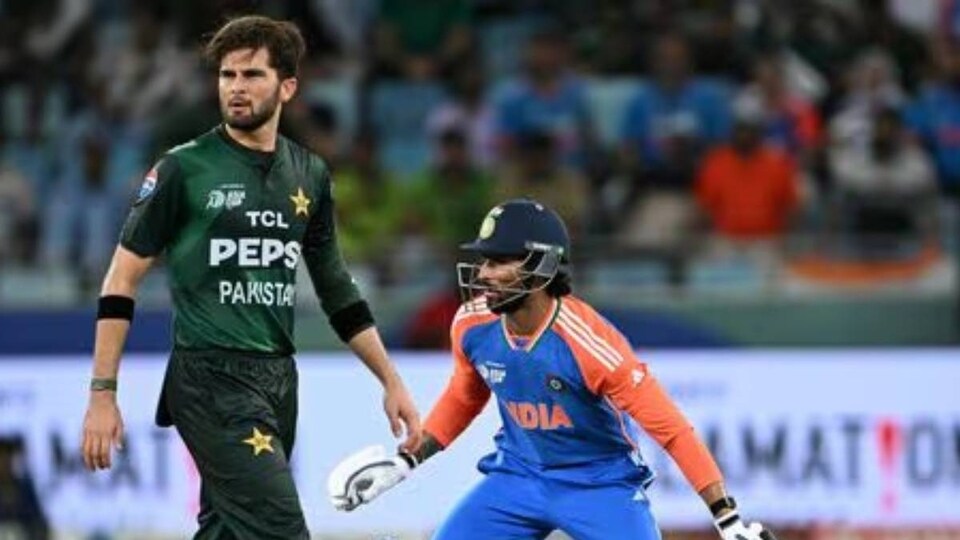
That does not mean the rivalry never had cricketing fire. Sachin Tendulkar’s emergence in Karachi in 1989. Javed Miandad’s theatrics with Kiran More in 1992. Venkatesh Prasad vs Aamer Sohail in 1996. Chennai’s standing ovation for Pakistan in 1999. Virat Kohli’s MCG masterclass in 2022. Moments like these elevated the contest beyond sport.
But look closely at that list. Most of those iconic episodes date back to before January 2013, the year bilateral ties were paused. Since then, India and Pakistan have met only in ICC and continental tournaments. The rivalry has been reduced to event-based spikes rather than sustained competition. The hype, of course, remains intact.
ALSO READ: Chastened by mini collapses, India approach Colombo wary of multi-pronged Pakistan spin threat
Tickets vanish within minutes. Broadcasters package nostalgia. Former players are rolled out for dramatic soundbites. Commercially, it remains the centrepiece, reportedly valued at around USD 250 million, with ad slots commanding massive premiums.
Yet on the field, the imbalance is glaring. Since their last bilateral series in 2013, India and Pakistan have met 23 times in ICC events and Asia Cups. India have won 19 of those. In ODI and T20 World Cups combined, the head-to-head stands at 14–1. In T20Is alone, it is 7–1.
That is not rivalry. That is dominance. Suryakumar Yadav acknowledged as much last year. “If two teams play 15–20 matches and the head-to-head is 7–7 or 8–7, that’s a rivalry. But 13–0, 10–1… I don’t know the stats. This is not a rivalry anymore.”
The numbers back him. Even during the recent Asia Cup, where India and Pakistan met multiple times, including in a first-ever final, the competitive narrative felt secondary.
India extended their winning streak. The cricket had flashes - Pakistan’s new-ball burst and Tilak Varma’s composed match-winning innings - but the larger conversation revolved around off-field tensions. Whether it was boycott murmurs, political messaging, symbolic gestures, social media skirmishes, or administrative standoffs. The cricket was often overshadowed. And now, just months before the T20 World Cup clash in Colombo, another layer of drama resurfaced.
Pakistan’s brief boycott threat, framed around ICC treatment of Bangladesh, reignited the political undertone. Broadcasters reportedly braced for revenue losses. The ICC initiated back-channel conversations. Eventually, the stance softened, and the marquee fixture returned to the calendar.
But through that entire episode, little was said about restoring competitive balance or reviving cricketing glory. The discourse remained administrative and political.
Which brings us to Colombo.
On paper, little has changed. India remain favourites. Their recent record justifies that status. Pakistan may find slight comfort in conditions that promise assistance for spin and tactical control, but structurally, the gap remains.
Yet this time, the edge feels different. The off-field friction has reintroduced emotional voltage into a contest that had begun to feel predictable. The rivalry may be statistically one-sided. It may lack the bilateral depth of the past. It may no longer deliver the balance that defines sporting duels. But boycott chaos restored what numbers could not: tension. And in high-stakes tournaments, tension often shapes narrative as much as runs or wickets.
Colombo will not just host a cricket match. It will stage the latest chapter in a rivalry that survives less on competitive parity and more on everything that surrounds it. The question is whether, this time, the cricket can reclaim centre stage.


