


 Live Score
 Cricket Teams
 Cricket Players
ICC Board ratifies new World Cup qualification process
From next year, a new league-based qualification structure for the ODI World Cup will be introduced. It will see 372 qualification matches played over two-three years in the build-up to the 2023 tournament.


The International Cricket Council approved a new World Cup qualification process at its Board meeting held in Singapore on Saturday.

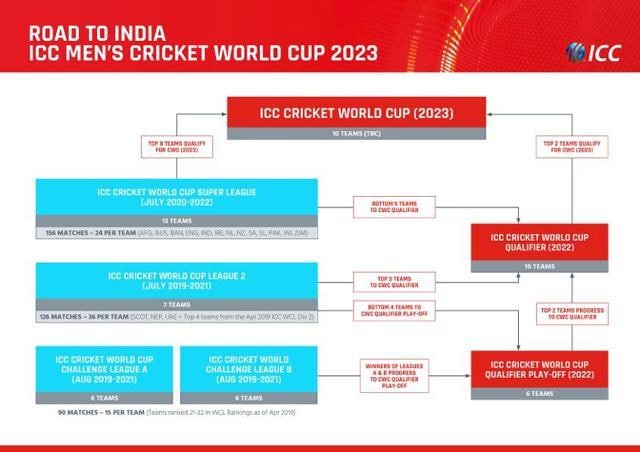
From next year, a new league-based qualification structure for the ODI World Cup will be introduced. It will see 372 qualification matches played over two-three years in the build-up to the 2023 tournament to be played in India, an ICC release said. The 2019 World Cup in England will be a 10-team affair.
The new qualification will be split into three parts, Super League, League 2 and Challenge League. Eight teams will qualify from the proposed 13-team ODI league. This Super League will comprise 12 full members and Netherlands. The other two teams will come from the ICC qualifying event.
The Board also decided to tighten current rules concerning “protection of children and vulnerable adults as well as more widely in relation to protection against sexual harassment.”
With attendance dwindling for Test cricket, ICC has urged members to prune budgets for staging bilateral series. The issue concerned teams touring with a bloated contingent and the hosts are forced to bear the full expenses.
This often leads to the hosts raising ticket prices, which discourages the fans. “It was agreed that in light of rising costs of cricket globally, members would make significant efforts to making international bilateral cricket more affordable with a view to long-term sustainability,” ICC said in a release.
A senior BCCI official explained: “Suppose the Australian team is touring India and let’s say they pay $250 DA/person. If there is a MoU, BCCI will have to pay that. If the amount agreed is $200, then balance is paid by CA.”


