


 Live Score
 Cricket Teams
 Cricket Players
In Afghanistan’s fairytale, let’s not forget its women in exile
The women are banned from playing by the Taliban and Afghan women cricketers in exile have written to ICC seeking support for a refugee team

 Prefer HTon Google


Bengaluru: The streets from Kabul to Kandahar and Khost were filled with men in celebration over the past week. The fairytale of the Afghanistan men’s cricket team, which saw them oust Australia from the T20 World Cup, ended with a nine-wicket defeat to South Africa in the semifinal. It marked an epoch-making run — a fiery underdog story, all sorts of gilt-edged. Captain Rashid Khan received a congratulatory video call from the Taliban foreign minister after the team made the semi-final.
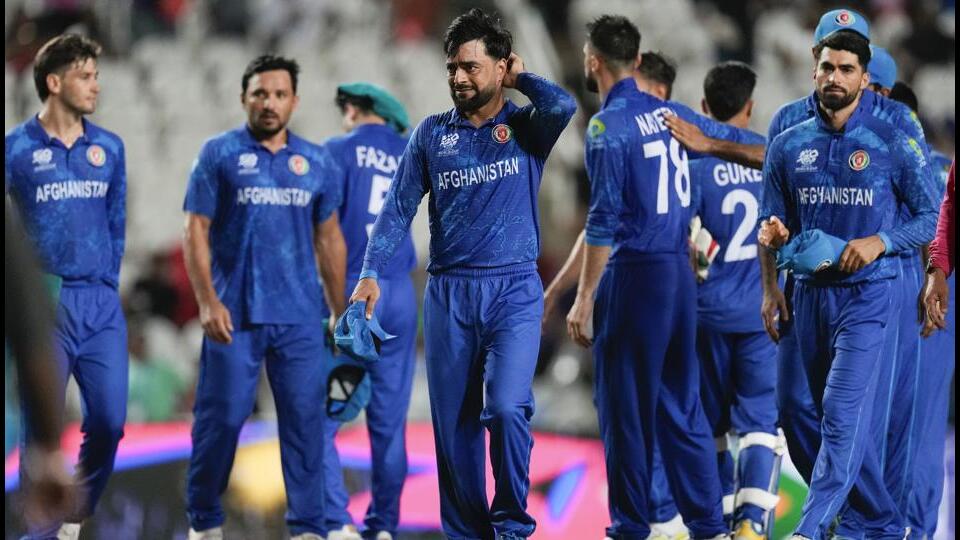
All of it stands starkly against the backdrop of one half of Afghanistan’s population — its women — being banned by the Taliban from attending high school and playing sports, prohibited from leaving their homes without a male chaperone, its women’s cricket team disbanded and members forced to live in exile. Gender apartheid at its goriest form.
Benafsha Hashimi fled Afghanistan under the shadow of machine guns three years ago. The five-foot nothing Afghan teen helped fellow female cricketers escape the country once the Taliban took over in August 2021. She now lives in Canberra and wrestles with conflicting emotions about the men's team’s seminal moment. “It’s my country, so there’s happiness. But it’s also disappointing that we are here and they don’t seem to want a women’s team,” Benafsha told HT.
On June 29, the Afghan women cricketers in exile, led by Benafsha, wrote to ICC Chair Greg Barclay seeking support to form a refugee team in Australia.
“We, the formerly contracted players of Afghanistan Women’s team, are proud and excited by the achievements of Afghanistan at the ICC Men’s T20 World Cup and wish to congratulate Rashid Khan and his team on reaching the semifinals. A profound sadness remains that we, as women, cannot represent our country like the male cricketers.”
They sought ICC’s support to set up a refugee team in Australia “administered by the East Asian Cricket office based in Cricket Australia to “showcase our talent, give hope to the women remaining in Afghanistan and to draw attention to the challenges women of Afghanistan face.”
Like most Afghan women who took up sport, Benafsha did so by going against family. She ended up having to flee her country for it. Most members of the Afghanistan women’s cricket and football teams found refuge in Australia where they took up jobs, studies and played club and university-level sport. Scarred, some have stopped playing cricket. Benafsha’s sister Safia, is one of them.
Benafsha plays second grade cricket in Sydney and Canberra. “I cannot live without cricket,” she professed. “Once the season starts I just love being on the field seven days a week. Training for five and playing matches on Saturdays and Sundays. But of course there’s nothing like playing for your country.”
In 2022, Benafsha and some of her teammates played for Tuggeranong Valley Cricket Club in Canberra and travelled to Fiji with ‘Cricket Without Borders’.
“Everyone’s saying the Afghan women’s team is here because of the men’s team. But without the women’s team, Afghanistan gets kicked out of Full Member status. What happens to the men’s team then?,” Benafsha wonders aloud. Afghanistan is the only Full Member to not have a women’s team – a criterion for ICC membership. “It’s just sad…I’m upset that ICC keeps saying that it stands for women and women’s rights but has been ignoring our messages. Where are our rights?”
In 2020, the Afghanistan Cricket Board handed central contracts to 25 female players. Benafsha was one of them. A skill and fitness camp was held in Kabul. Less than a year later, women’s team members were leaving the country of their birth through heavily guarded checkpoints, with little hope of playing for their country.
“I think we will be talking about the same things even in 2050…and very little would have changed,” Benafsha said, a part of her in despair.
Former Australia cricketer Justin Langer met Benafsha, Safia and teammate Nilab Stanikzai at a charity dinner last year. In his account he wrote: “Last weekend I watched my 18-year daughter celebrate her birthday with her friends… Their main worry that night was whether the security guards would let them into the nightclub after checking their IDs. Contrast that to these other young women of similar age, standing petrified at checkpoints being mocked by Taliban soldiers; mainly because they were female, trying to escape from the brutality of their own country.”
While Australia has offered a willing home to fleeing Afghan female athletes, the country’s military involvement in Afghanistan bears mention. Australian troops followed US forces into Afghanistan, invading the country after the 9/11 attacks in 2001 to hunt down Osama Bin Laden and dismantle the Taliban government. How that ended was for all to see. The Taliban is back in power and Afghan women have been consigned to obscurity. Cricket Australia has chosen not to play Afghanistan bilaterally after the return of Taliban in 2021. A decision that captain Rashid Khan called to question a few days ago. “Cricket is the only source of happiness left in Afghanistan,” he said before touching upon the more complex issue. “Some things which are not under the control of anyone in cricket, and that's something we can’t do anything about… Wish there was a solution.”
For the Afghan female cricketers in exile, the platitudes don’t change their reality.
Benafsha is not holding her breath for a miracle. More than anything else, she hopes their stories aren’t forgotten and their identities aren’t erased.


