


 Live Score
 Cricket Teams
 Cricket Players
India vs Pakistan U19 World Cup: Ayush Mhatre and boys need to squander Pakistan's siege narrative
The India-Pakistan U19 World Cup match arrives amidst heightened tensions due to political issues, influencing the emotional stakes for players.

 Prefer HTon Google


The India-Pakistan Under-19 World Cup game is landing at the worst possible time for “let the kids play cricket” innocence.
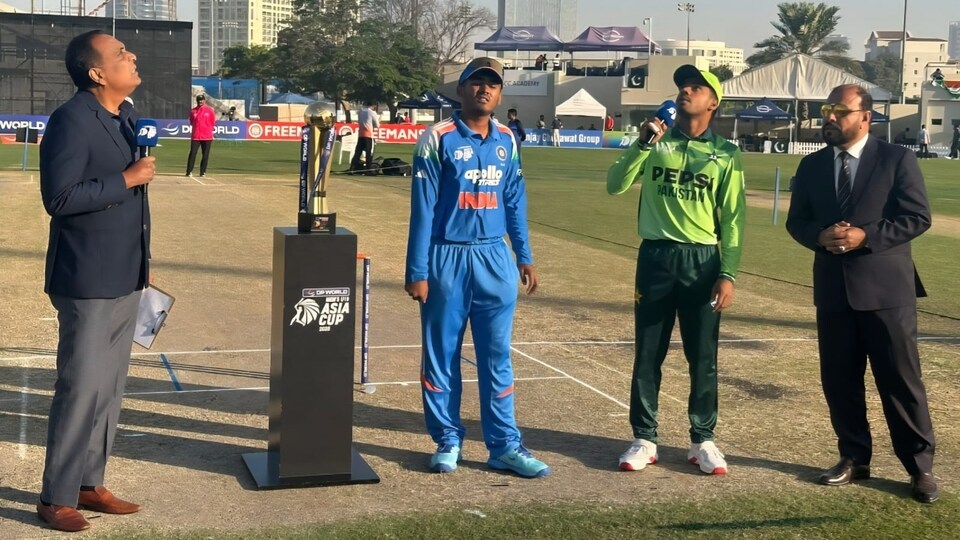
Because the noise around the senior teams is already boiling - PCB’s boycott signals, Bangladesh’s removal drama, talk of forfeiting the February 15 India-Pakistan T20 World Cup match - and that heat doesn’t stay neatly locked in the senior cupboard. It leaks into every India-Pakistan contest, including one involving teenagers.
The current atmosphere isn’t just rivalry
Normally, U19 India-Pakistan carries the usual rivalry electricity: scouts watching, social media roaring, fans treating it like a proxy war of bragging rights. But this year, there is an added layer: the T20 World Cup 2026 is about to begin (February 7) and the marquee India-Pakistan game is scheduled for February 15 - while Pakistan’s participation itself has been surrounded by boycott talk and political/board-level signalling in the last week.
So the U19 match becomes a kind of emotional prelude - not officially, not on paper, but in the way the people consume it:
- Every celebration looks louder
- Every umpiring call becomes a screenshot
- Every tense moment is treated as “setting the tone”
And that is where India have to be careful: win the match, don’t get dragged into the theatre.
Also Read: Vaibhav Suryavanshi’s real exam vs Pakistan: The one problem left to solve with U19 World Cup semis on the line
How Pakistan can derive narrative right now
Pakistan’s board-level messaging has created a ready-made political soundtrack: solidarity message, pressure framing, and a sense of grievance around governance and consequences. The reporting around PCB weighing options - including forfeiting the India match - has already set up a story that Pakistan can tap into emotionally.
In that environment, Pakistan’s U19 camp can draw a few narratives that amplify the stakes:
1. “We’re fighting on two fronts”
When a board publicly keeps boycott/forfeit options open, it creates a mood of siege - us vs the world, cricket plus politics, we’re being cornered. Even if the U19 players aren’t saying it, the ecosystem around them can project it onto the match.
That can energise Pakistan, because siege narratives often simplify decision-making: play hard, play brave, make it ugly if needed.
2. “This is our reply” energy
With talk that Pakistan have booked travel even as the boycott cloud lingers, the public storyline becomes: they'll show up, but they’ll also show you. That reply framing can easily attach itself to the U19 meeting as an emotional outlet - a place to perform defiance without needing an official press conference.
3. The classic underdog pitch
Pakistan can sell themselves a cleaner sporting script: India are stable; we’re fighting uncertainty; therefore we’re freer. In youth cricket, freedom can be dangerous, but it can also be lethal for an opponent if India drift for even a few overs.
4. Distraction is a weapon
When the wider atmosphere is charged, one team often tries to make the match about emotion, not execution - long appeals, exaggerated reactions, constant attempts to change tempo. It is not always illegal or even verbal; it is psychological pacing.
Pakistan don’t need to outplay India for 50 overs to win; they need to win the mood at key moments and force India into a shot or spell that doesn’t match the situation.
What India must do to keep it cricket-first
India’s biggest advantage is control - control of temperament, control of plans, control of response.
The smart India approach is almost boring:
- Treat the noise as external weather. Don’t chase crowd momentum, don’t react to celebrations, don’t litigate decisions in real time.
- Make Pakistan play long. Charged teams love shortcuts - early big shots, early intimidation, early verdicts. India’s job is to stretch the contest into the kind of match where skills decide it.
- Discipline beats theatre. In a politically-laded week, the team that stays in its process usually walks out with the only thing that matters: points and progress.
Why this match matters beyond the scoreboard
Even if nobody says it loud, tomorrow will be consumed like a signal - a mood-check before the senior tournament reaches its loudest possible point.
Pakistan can try to turn the week’s turbulence into emotional fuel. India’s job is to deny them that fuel: keep it calm, keep it professional, and let the better cricket do the talking.
And if India do that, the charged atmosphere doesn’t disappear - it just becomes background noise behind a controlled, grown-up performance.


