


 Live Score
 Cricket Teams
 Cricket Players
The Auction mind games: How Venkatesh Iyer, Matheesha Pathirana and Ravi Bishnoi can return to their franchises
Franchises are using player releases as a tactical maneuver to manage budgets and explore market values. This approach could lead to cost-effective re-signings.

 Prefer HTon Google


Retention Day in the IPL is supposed to bring clarity. Instead, it often turns the league into a giant conspiracy board: big contracts cut loose, fan favourites pushed out, timelines flooded with outrage and half-baked ‘fallout’ theories.
Look a little closer, though, and another pattern appears. Sometimes a release isn’t a divorce at all - it’s more of a financial reset plan for the franchises. They use the auction room as a negotiating table; they can’t get with a fixed contract: push a player into the pool, let the market correct his price, and if the numbers align, walk him right back in.
Ahead of the next season, three high-profile releases fit that template more than a clear break.
Venkatesh Iyer
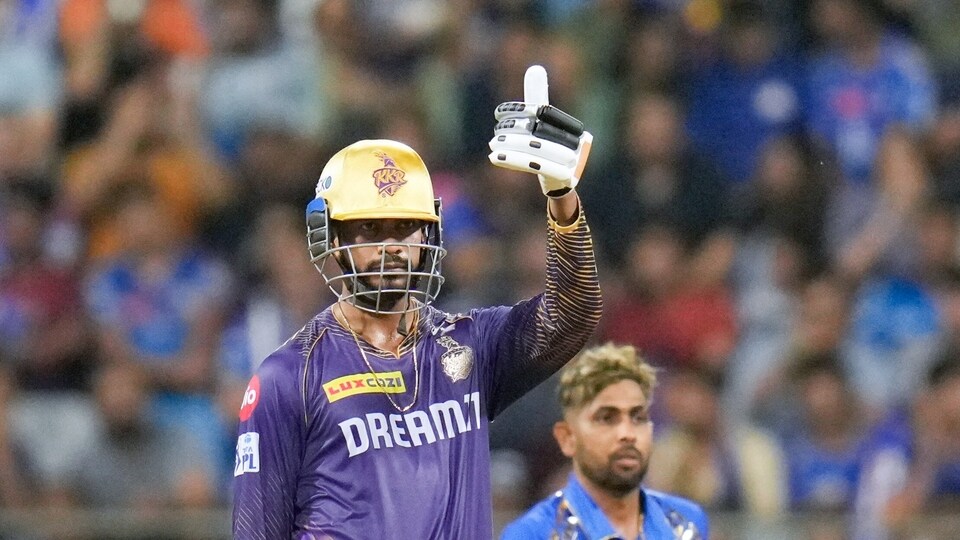
KKR didn’t just invest money in Venkatesh Iyer; they invested in identity. At his peak, he gave them a left-handed top-order option who could change the powerplay, chip in with the ball, and slot in their flexible batting order.
The problem was the contract, not the concept. Once you are on a sky-high deal and returns flatten, the cost-to-impact equation goes out of balance very quickly. By releasing him, KKR have freed up a massive chunk of their purse without actually closing the door on the player himself.
They still have exactly that profile: an Indian top-order bat with all-round potential, who knows their dressing room, leadership group, and title-winning template. If the auction cools his valuation into a more sensible bracket, a buy-back allows KKR to keep the same skill-set at a far more efficient price.
Matheesha Pathirana
Chennai Super Kings rarely walk away from a project player after one uneven season, especially when that player offers a rare, slingy death-bowling angle that’s hard to clone. Matheesha Pathirana has already shown he can win games at the back end; he’s also had spells where control and fitness became question marks.
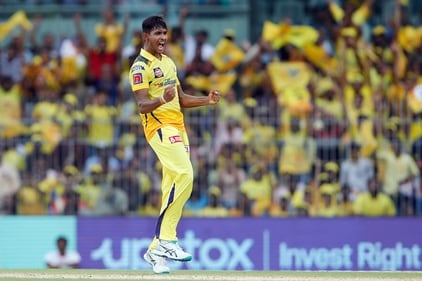
Releasing him achieves two things at once: it releases a large overseas salary, and it tests how much the rest of the league is willing to pay for a high-variance specialist. CSK, more than any other team, understand when and where he works best.
If rival franchises hesitate on him because of his recent numbers. CSK are perfectly placed to swoop in again, paying much less for him and getting a bowler they already know how to hide and unleash.
Also Read: Vaibhav Suryavanshi giving Sachin Tendulkar vibes - 37 years apart cricket asks again: How far can this kid go?
Ravi Bishnoi
Indian wrist-spinners with an international pedigree don’t come cheap, which is precisely why Lucknow Super Giants originally went big on Ravi Bishnoi. Over time, though, his form has leveled out: still useful, still dangerous in bursts, but not consistently carrying an attack in the way his salary demanded.
Cutting him now isn’t the same as giving up on him. LSG have reshaped their bowling around other pieces, but they still need quality spin, and they still know Ravi Bishnoi’s strengths, work ethic, and ceiling from the inside.
By putting him back into the pool, they allow the auction to decide his true current value. If the bidding stops at a number that matches his recent output rather than his early hype, LSG can comfortably join the race again and potentially walk away with the same and potentially walk away with the same bowler at a far smarter price point.


