
 E-Paper



Pilgrim trails: Old Chardham routes to be mapped
As a part of the INTACH project, geographical information system (GIS) mapping of the traditional routes - which are largely forgotten now - will be undertaken. ‘Pilgrim Trails to Kedarnath’, a route spanning about 380 km between Haridwar and Kedarnath, has already been mapped. Work on the second phase to map the Haridwar-Badrinath stretch is likely to begin soon.


DEHRADUN: Ever wondered how pilgrims negotiated their way to the Chardhams – the famed religious circuit comprising four Hindu shrines – through the treacherous Himalayan terrain when there were no roads? The historic trails are now being mapped by the Indian National Trust for Art and Cultural Heritage (INTACH), a non-profit organisation that works for conservation of cultural heritage.
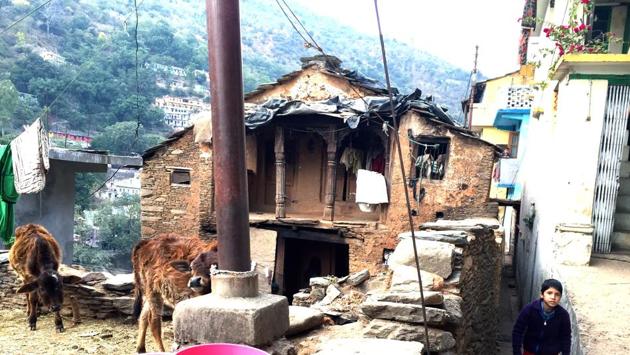
As a part of the project, geographical information system (GIS) mapping of the traditional routes - which are largely forgotten now - will be undertaken. ‘Pilgrim Trails to Kedarnath’, a route spanning about 380 km between Haridwar and Kedarnath, has already been mapped. Work on the second phase to map the Haridwar-Badrinath stretch is likely to begin soon.
“We’re documenting pilgrimage routes from the past that are no longer in use and have been forgotten by the people after the construction of roads and highways. Once they are all mapped, we’ll also try to revive them so that they can be used by present-day pilgrims wishing to take the traditional routes,” INTACH’s Uttarakhand chapter co-convener Lokesh Ohri told Hindustan Times.
Besides GIS mapping, INTACH experts are documenting important sites falling along the route and recording their heritage/religious significance. “Traditionally, the pilgrimage required devotees to make a stopover at some important places and perform certain prescribed rituals on the route for their yatra to be considered complete. We’re also chronicling those places,” Ohri said.
The project aims to attract the spiritual people as well as the adventurous youth. “The thrust is on reviving these (forgotten routes) for their spiritual value besides also popularizing them among youth who wish to seek some spiritualistic adventure instead of getting airdropped (flying to the shrines through choppers),” he said.


