E-Paper



Uttarakhand tourism: Potential for jobs but hurdles galore
wildlife tourism in Uttarakhand offers tremendous potential to economically uplift the lives of people, check migration and help in conserving and protecting biodiversity

 Prefer HTon Google


With 12% of Uttarakhand’s geographical region classified as protected areas, the wildlife tourism in the Himalayan state offers tremendous potential to economically uplift the lives of people, check migration and help in conserving and protecting biodiversity in coordination with the local populace.
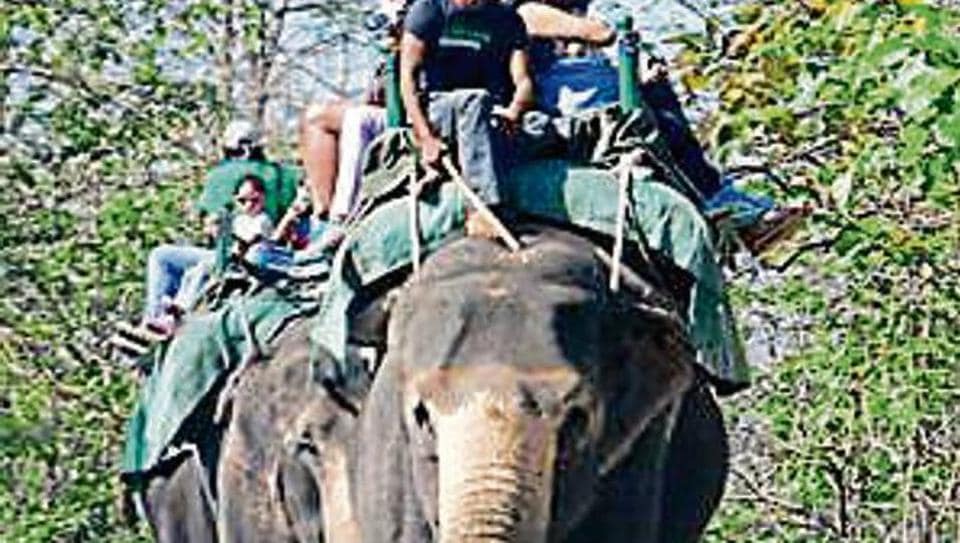
Boasting of having the country’s first national park, Jim Corbett National Park (established in 1936 in Nainital district as Hailey National Park) with the highest tiger population (240), the state attracts a large number of tourists and wildlife lovers.
The park also has a rich biodiversity, housing a major chunk of the various species found across the state — 102 species of mammals, 600 species of birds, 70 species of reptiles, 124 species of fish, 19 species of amphibians besides being home to musk deer and snow leopard.
Experts say tourism has been a major constituent of the service sector, and contributes to around half of the Gross State Domestic Product. Wildlife not only forms a major chunk of this tourism economy, it also offers potential to further develop this key sector. It can generate a lot of employment opportunities and help in checking migration.
Despite having some of the best wildlife tourism spots in the country, Uttarakhand faces several challenges. Poor road and air connectivity, inadequate infrastructure, frequent natural calamities, absence of an effective strategic marketing plan, and poor internet connectivity in hilly areas along with a shortage of trained manpower are some of the frequent issues that hamper the state in exploiting its tourism potential to the fullest.
Tourists say they are not clear about the new restrictions and norms that have come into place in the wake of the Uttarakhand high court’s orders related to wildlife, protected areas, commercial elephant rides, river rafting and alpine meadows in the last few months.
“This has confused many tourists as the state government is not creating awareness regarding such changes or informing tourists what to expect in the changed scenario,” said Dhananjay Sharma, who had come from Haryana’s Faridabad to visit Corbett.