
 E-Paper



Ban on diesel generators, power plants lifted as Delhi air improves; brick kilns can resume production
The EPCA in October 2017 had imposed several restrictions, observing the deterioration in Delhi air which had then turned toxic and enveloped the city in a yellow blanket.


Starting Thursday, the Badarpur power plant that has been shut for over four months can start temporary operation, ban on diesel generators will be lifted, and hundreds of brick kilns can resume production due to “some visible improvement” in air quality in Delhi, the Supreme Court-appointed EPCA said.
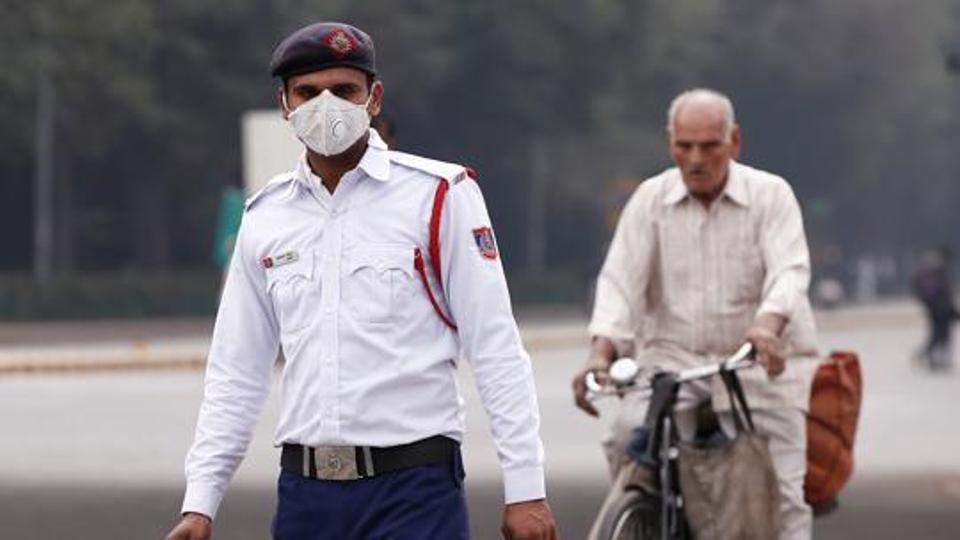
On October 17 last year, the Environment Pollution Control Authority (EPCA) had imposed the measures under the Graded Response Action Plan (GRAP) to combat pollution in the city ahead of the winter.
The EPCA said on Wednesday its action plan category has been changed.
“The GRAP category of ‘very poor’ and ‘severe’ will be lifted, starting March 1. So, the restrictions imposed in the city last October will also be lifted. However, the category now would be ‘moderate to poor’ until we (EPCA) further upgrade it,” EPCA member Sunita Narain said.
Narain, also the director general of the Centre for Science and Environment (CSE), said, at a press conference here, “There is a some visible improvement in air quality, but it it still a long way to go to achieve a clean air. It is not safe to breathe yet.”
Since October 17, the Badarpur power plant has been shut, use of diesel generators banned, and hundreds of brick kilns ordered to stop production in Delhi under the GRAP. Only those brick kilns, which have implemented the zigzag technology that helps reduce black carbon emission, were allowed to function.
Narain and EPCA chairman Bhure Lal, who too addressed the reporters, released a ‘Report card on Delhi’s air pollution’ and enunciated the measures to be taken by the EPCA from March onwards.
The Badarpur plant in south Delhi would be “permanently closed” from July this year, the EPCA said.
“About 1,400 brick kiln owners have submitted affidavits to EPCA undertaking commitment to shift to improved-zigzag kiln technology by April 2018. Roughly, 600 have converted. By July 1, 2018, only zigzag technology-compliant kilns will be allowed to operate ,” Narain said.
Asked if the recent ‘Clean Air Campaign’, jointly organised by the Environment ministry and the Delhi government, had any impact on the air quality, Narain said, “Let’s no talk about taking credit. It is a result of combined action by all people.”
The Air Quality Index in Delhi stood at 259 (‘poor’) on Wednesday evening.
Under the GRAP, measures under ‘very poor’ and ‘severe’ categories are rolled out when levels of PM2.5 are between 121-250 microgrammes per cubic metre (µg/m3) and above 250 µg/m3 respectively. PM10 levels have to be between 351-430 µg/m3 and above 430 µg/m3 respectively.
Stay updated with all top Cities including, Bengaluru, Delhi, Mumbai and more across India. Stay informed on the latest happenings in World News along with Delhi Election 2025 and Delhi Election Result 2025 Live, New Delhi Election Result Live, Kalkaji Election Result Live at Hindustan Times.


