
 E-Paper



Team Anna, Roy back govt on sports bill
Sports minister Ajay Maken has got support of both Team Anna and Aruna Roy's NCPRI to his draft national sports development bill even though the two groups had vehemently opposed the govt’s Lokpal Bill. Chetan Chauhan reports. Why is BCCI shying away from RTI? | 'We stand united on Sports Bill'


Sports minister Ajay Maken has got support of both Team Anna and Aruna Roy’s National Campaign for People’s Right To Information (NCPRI) to his draft national sports development bill even though the two groups had vehemently opposed the government’s Lokpal Bill.
The reason for their support is apparent - government’s intention to bring Board of Control for Cricket in India (BCCI) under an independent regulatory mechanism to ensure transparency in its functioning.
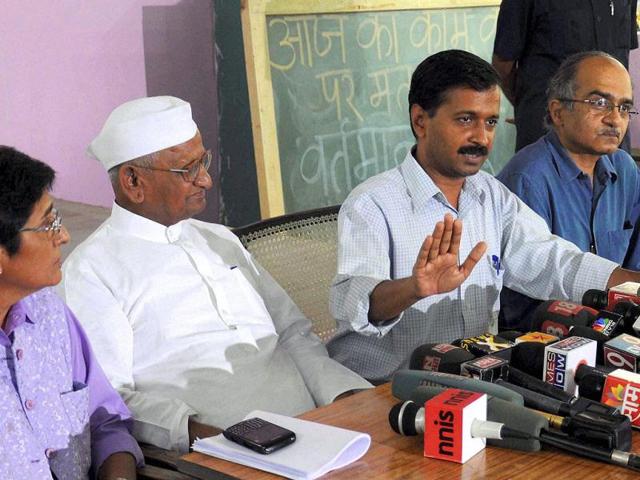
“We welcome the thrust on ensuring transparency and accountability in the bill,” said a statement signed by civil society activists including National Advisory Council member Aruna Roy and prominent Team Anna member Prashant Bhushan.
To ensure transparency in BCCI and other national sports federations, the sports ministry has made compliance with most provisions of the Right To Information (RTI) law must for federations receiving substantial direct or indirect support from the government.
Why is BCCI shying away from RTI?
But, the RTI clause in the draft bill had irked the BCCI, the country’s richest sports body, which described it as “unconstitutional”. BCCI secretary Sanjay Jagdale went to the extent to saying that sports was a state subject and the legislative competence of central government was limited. “The bill tends to encroach upon fundamental rights of sports bodies," Jagdale had said, in response to the sports bill.
To remove any ambiguity on whether BCCI receives substantial government support or not, the civil society wants that definition of financial funding to be extended to cover use of facilities free or at non-commercial rates and even allocation of land at subsidized rates.
Most of the cricket stadiums in India have been built on subsidized land provided by the government, for which BCCI pays petty annual rental. The annual rental for Ferozshah Stadium in Delhi is just a few thousand rupees.
“The sports ministry makes it conditional for sports body to accept the fact that it has been substantially financed by the government for any purposes of any law in for the time being in force,” the statement read.
The statement issued under the banner of NCPRI also suggested that the ministry should place a pre-condition of unconditional access to information regarding any issue of public interest at the time of registration or recognition of any sports body.
'We stand united on Sports Bill'
However, NCPRI has asked the ministry to delete chapter 8 of the bill, which prescribes specific exemptions to disclosure of information under the RTI Act. The exemptions include information regarding team selection, injury to a player and report of dope tests. “We believe that specific exemptions contained in this chapter are unnecessary…as issues like health of a player are already exempted from the purview of the RTI Act,” the statement said.

Stay updated with all top Cities including, Bengaluru, Delhi, Mumbai and more across India. Stay informed on the latest happenings in World News along with Delhi Election 2025 and Delhi Election Result 2025 Live, New Delhi Election Result Live, Kalkaji Election Result Live at Hindustan Times.


