
 E-Paper



A critical test for institutions
An early resolution is called for in the hate speech allegations against Justice Shekhar Kumar Yadav

 Prefer HTon Google


The Supreme Court stopped short of instituting an internal probe into the conduct of Justice Shekhar Kumar Yadav, a sitting judge of the Allahabad High Court, following a March letter from the Rajya Sabha secretariat raising issues of jurisdiction, this newspaper reported Monday.
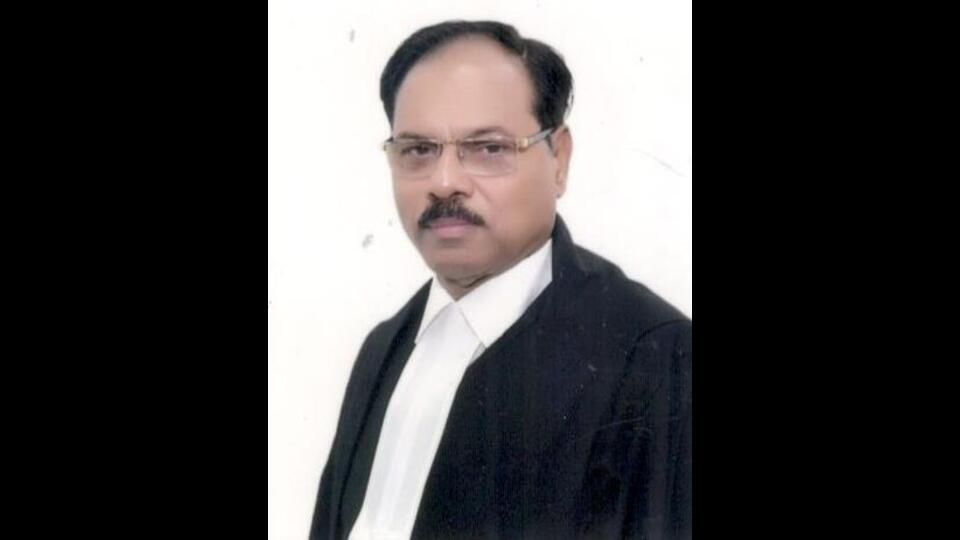
The letter reiterated the process as referred to by Rajya Sabha chairperson and Vice-President Jagdeep Dhankhar previously in February in Parliament — that only Parliament and the President have the jurisdiction to proceed against the judge, who is in the dock for alleged hate speech against Muslims delivered in December 2024. Even as the Supreme Court took note of that speech, a group of 55 opposition MPs filed a notice in the Rajya Sabha seeking Justice Yadav’s impeachment for “grave violation of judicial ethics”. As per the law, the removal of a high court or Supreme Court judge for “proved misbehaviour or incapacity” must go through Parliament. The chairperson will now have to decide on the admissibility of the motion and if an inquiry needs to be held.
The Rajya Sabha chairperson, who has been vocal about judicial integrity and institutional probity, should ensure that the complaint against the judge is now processed in a transparent manner and concluded before the judicial officer retires in April next year. A timely closure in the matter is necessary to ensure that there is no reputational damage to the judiciary, Parliament, or the concerned judge, in case he is found innocent of the alleged hate speech.
Interestingly, while Justice Yadav, reportedly, regretted his conduct and assured the Supreme Court collegium that he will render a public apology in a closed-door meeting with it in December, he has not issued one and instead defended his speech, delivered in a meeting of Vishwa Hindu Parishad activists in Prayagraj, as reflecting India’s cultural ethos. A judge is bound by oath to protect constitutional values, not articulate majoritarian sentiments or populist views, even if they are part of some perceived cultural ethos. Any deviation is a violation of the oath and compromises the integrity of the judiciary.
The Justice Yadav case presents a critical test. It is not merely about the conduct of one judge but will have wider implications for the principle of separation of powers and commitment of public institutions to constitutional ideals. How this matter is now handled by the Rajya Sabha will set an important precedent for the future of India’s democratic institutions.


