
 E-Paper



Back to a fuel Strait-jacket
Prolonged conflict in West Asia can lead to a bigger fuel price rally this time, with India’s emergency oil reserves significantly depleted

 Prefer HTon Google


When the US and Iran signed a memorandum of understanding (MoU) to end the fighting in West Asia in mid-June, countries and economies were relieved and circumspect at the same time. Relieved because the war’s fuel supply shock and its widespread economic disruption eased. And circumspect because the terms of the cease fire MoU were pretty vague, especially regarding control of the critical maritime chokepoint, the Strait of Hormuz.
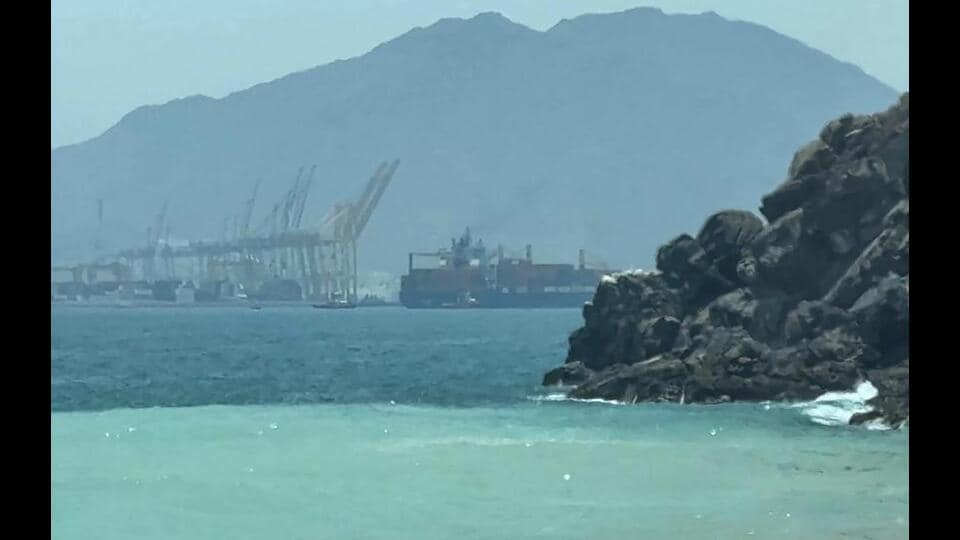
Iran, having discovered its bargaining value during the war, was adamant on retaining its control on traffic in the Strait while the US and some of its regional allies were keen that this not be the case. The US and Iran are back to exchanging strikes, and because Iran still has the military capability to disrupt traffic, it has exercised that option; traffic in the Strait is back to significantly below normal. What is worse this time is the fact that Iranian proxies have also threatened to disrupt traffic in the Red Sea.
Details aside, the world, including India, is now staring at another shock in fuel markets. Brent crude price crossed the $90 per barrel threshold once again and has now crossed $95. The strain is showing in other indicators too. The rupee-dollar exchange rate, after showing some improvement after the ceasefire, is now back over 96 once again.
How long will this go on?
The answer to this question depends on what US President Donald Trump decides. Unless the US commits to military action against Iran beyond air strikes, Iran can continue to threaten traffic in the Strait. This view is gaining momentum even within the US security establishment. But military escalation will be significantly more costly for Trump. The other option would be to let Iran retain some control over movement in the Strait, an important strategic departure from the pre-war arrangement.
A key factor which differentiates the second round of the war from the first one is that the buffer of emergency oil reserves being released to cushion price rise has been significantly exhausted. Attacks by Ukraine on Russia’s petroleum industry infrastructure have also added to the supply crunch. The short point is, a prolonged conflict might lead to a bigger price rally this time.
The larger takeaway is simple. Band-aid or clever-by-half solutions to the conflict in West Asia will not do. Unfortunately, there is no credible arbiter to even initiate a sincere dialogue between stakeholders. The world, not just the region, will pay the price.


