
 E-Paper



Central Asia: Walk the talk
The first India-Central Asia Summit hosted by Prime Minister Narendra Modi has provided a road map. India must now wean the five states off China’s largesse

 Prefer HTon Google


For many years, India’s ties with the Central Asian states were long on symbolism and short on strategic heft. To be sure, there were important connections with some of the five countries — Kazakhstan is the largest supplier of uranium to the country and India has, for long, had a presence at the Farkhor military air base in Tajikistan. The stage for a qualitative change was set with prime ministerial visits to Kazakhstan, Kyrgyzstan, Tajikistan, Turkmenistan and Uzbekistan in 2015 and the launch of the India-Central Asia Dialogue, a mechanism comprising the foreign ministers, in 2019. The first India-Central Asia Summit hosted by Prime Minister Narendra Modi this week was, in many ways, the culmination of these efforts.
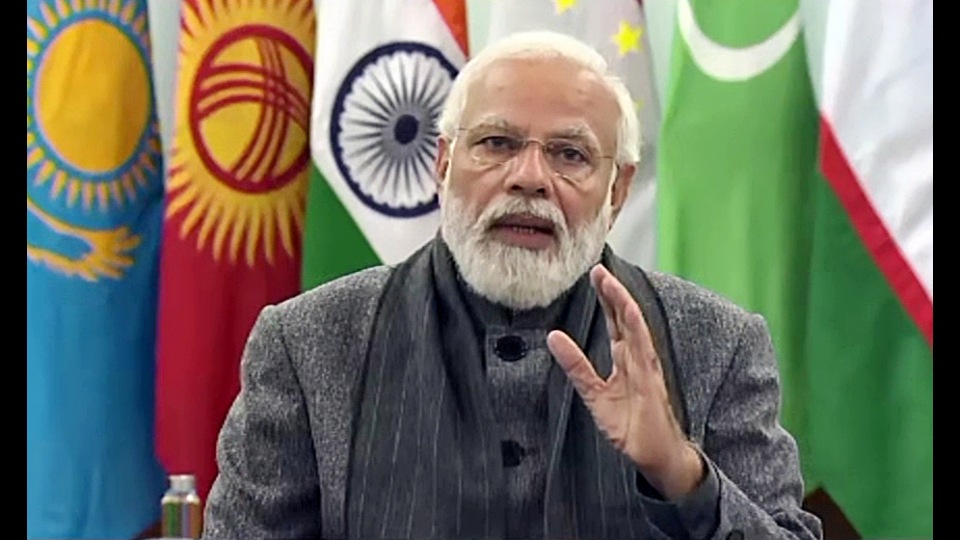
The virtual meeting was held at a time when the importance of the five states has increased, especially in light of the developments in Afghanistan. The leaders agreed on creating a joint working group on Afghanistan and on putting in place an institutionalised framework for collaboration and regular interactions, including the holding of the summit every two years. There was also talk of jointly working on connectivity initiatives centred round India’s presence at Iran’s Chabahar port and creating a road map that builds on the past 30 years of ties. Mr Modi made it clear that Central Asia is key to India’s vision of an “integrated and stable extended neighbourhood” and the decision to hold regular meetings of top security officials reflected the strong focus on security issues for all the countries.
These plans for the future are a welcome development, but now India will have to walk the talk. Trade between India and the Central Asian states was worth $3 billion in 2020, with Kazakhstan accounting for more than 80% of it. In contrast, China’s trade with the region was worth almost 10 times as much, and Beijing has stepped up supplies of military equipment to the Central Asian states. It will not be enough for the six countries to talk of long-standing ties between places such as Samarkand and Agra and connectivity initiatives. India must do more to wean the Central Asian states off China’s largesse, and that clearly comes at a cost. There are also differences in the approach towards Afghanistan, with some Central Asian states showing a greater willingness to work with the Taliban set-up. However, the building blocks are now in place and India has the wherewithal to take ties to a qualitatively higher level while working for greater regional stability.


