
 E-Paper



Cities deserve better planning
A marooned Delhi should draw attention to outdated draining plans and hapless planning

 Prefer HTon Google


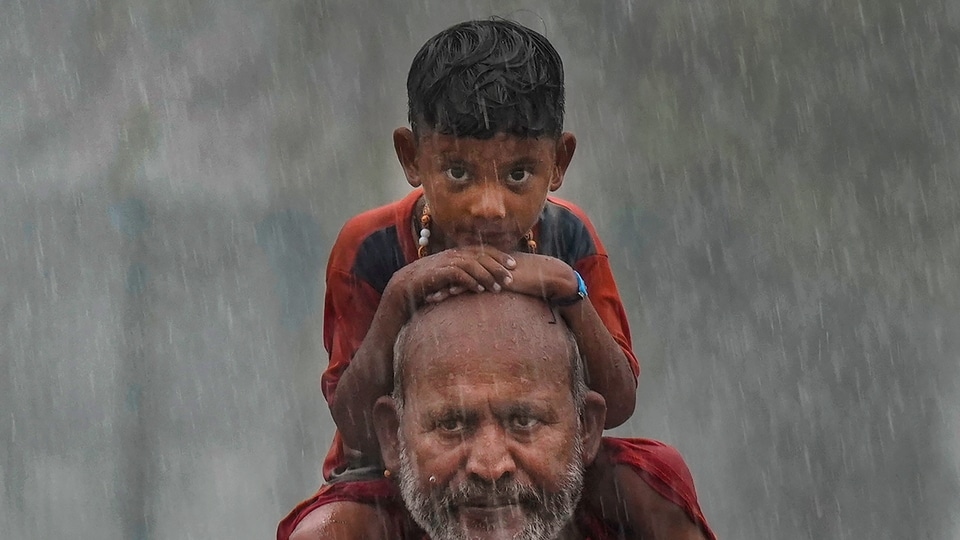
Cities may be the driver of India’s transformation but very little investment and thought is going into their planning. More evidence of this was on display this weekend when the heaviest showers in 40 years marooned the national capital region (NCR) and killed four people. The Capital received a little over 261mm of rain, or 125% of the amount it receives on average over July, between 8.30 am on Saturday and 5.30 pm on Sunday, opening up sinkholes on arterial roads, crushing buildings, uprooting trees and inundating neighbourhoods. Of course, this is a depressingly common experience for the millions who call our metropolises home, with previous episodes of flooding in Chennai, Bengaluru, Hyderabad, Kolkata and Mumbai. And the culprit is the same — an outdated drainage system ignored by untrammelled development, which has also choked natural run-offs and systems such as lakes, swamps and wetlands that have been built over.
In Delhi’s case, this newspaper reported on Monday that the master plan for drainage was drawn in 1976, for a city that held almost a fourth of the population that lives in the Capital today and designed to withstand showers of a fraction of the intensity that the climate crisis has made possible. The city can be primarily divided into three drainage basins — Najafgarh, Trans-Yamuna, and Barapullah — that can cater to a maximum of 50mm of rainfall, of little utility when 125mm of rain batter the city in a day. Yet, instead of incorporating groundwater recharge, recycling and reusing of stormwater into the drainage master plan, and preserving natural ecosystems, successive administrations have been content with contingency plans. That India’s Capital continues to be inundated by monsoon showers at a time it is supposed to be putting its best foot forward for the upcoming G20 summit is a damning indictment of successive administrations.
The solutions to stanch urban flooding are well known. Establish urban wetland commissions to reclaim water bodies, lakes and rivers, and reimagine them as public entities integrated into city planning. Build absorbent built environments where solutions to flooding kick in at the neighbourhood level. Eradicate the maze of multiple overlapping jurisdictions and allow domain authority to a body that can coordinate efforts to expand and recharge drainage systems. And finally, tailor policies not looking at the past but by studying the future, especially on how the climate crisis will shape monsoon behaviour. India’s cities, and especially its capital, deserve better.


