
 E-Paper



Cost of failing the passengers
India’s largest domestic airline must be penalised for the chaos in schedules and passengers have to be compensated for disruptions

 Prefer HTon Google


When an airline cancels close to 600 flights in three days (Tuesday, Wednesday, and Thursday this week and not counting delays), mostly because of its inability to meet new crew-rostering norms, and it then emerges that this comes on the back of 755 flights cancelled for the same reason in November, it is clear that something has gone horribly wrong — as it seems to have at IndiGo. The new Flight Duty Time Limit (FDTL) norms, long overdue, are in keeping with globally accepted standards, and, most importantly, were expected to kick in originally on June 1, 2024. After multiple deferments — at the request of airlines — they eventually went into effect from November 1. The numbers best tell the story of how India’s largest domestic airline has adapted to the new norms. Poorly.
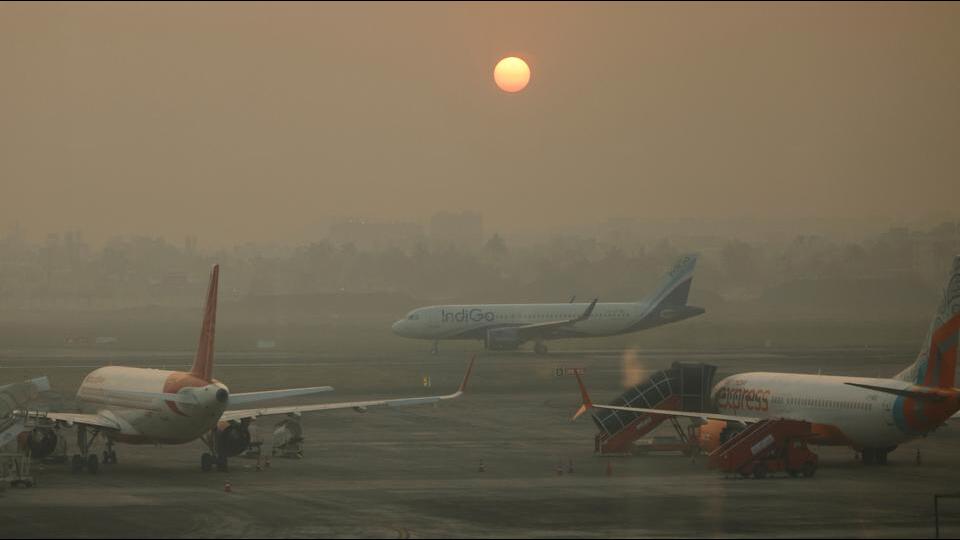
The reason for this is not hard to pinpoint: IndiGo’s famed cost optimisation. A pilots’ body claimed as much in a letter to the aviation regulator, DGCA, amid the latest crisis, saying that “despite the two-year preparatory window before full FDTL implementation, the airline inexplicably adopted a hiring freeze, entered non-poaching arrangements, maintained a pilot pay freeze through cartel-like behaviour, and demonstrated other short-sighted planning practices”. The price for all this is being paid by passengers.
Pilots have also alleged the airline may be deliberately going slow in addressing the problem in the hope that the civil aviation ministry or the regulator will step in and relax the rostering norms. IndiGo has denied this, although this is just what it sought (a relaxation of rostering norms till February 10) in a meeting with DGCA on Thursday, according to a statement from the regulator. It has also accepted that poor planning was responsible for the crisis.
DGCA has not said whether it will give in to the airline’s demands, but given that its larger objective has always been to minimise disruptions, it likely will. That would be a pity, as the regulator should have taken the airline to task for its 755 FDTL-linked cancellations in November. Even as it reviews the airline’s schedule ahead of the holiday season, and audits its staffing (as it has indicated it will), DGCA should also ensure adequate recompense for passengers and penalise the airline for its behaviour.


