
 E-Paper



Hardline groups in Sri Lanka are playing on unfounded fears
Violence targeting the Muslim minority in Sri Lanka has continued despite the imposition of a nationwide state of emergency, the first time such a provision has

 Prefer HTon Google


Violence targeting the Muslim minority in Sri Lanka has continued despite the imposition of a nationwide state of emergency, the first time such a provision has been invoked in more than six years. On the face of it, the violence witnessed at Kandy in central Sri Lanka and Ampara on the eastern coast is linked to the death of a man from the Sinhala Buddhist majority recently after he was beaten by Muslims, and the discovery of a Muslim man’s body in a burnt building. But scratch a little deeper and other fault lines emerge.
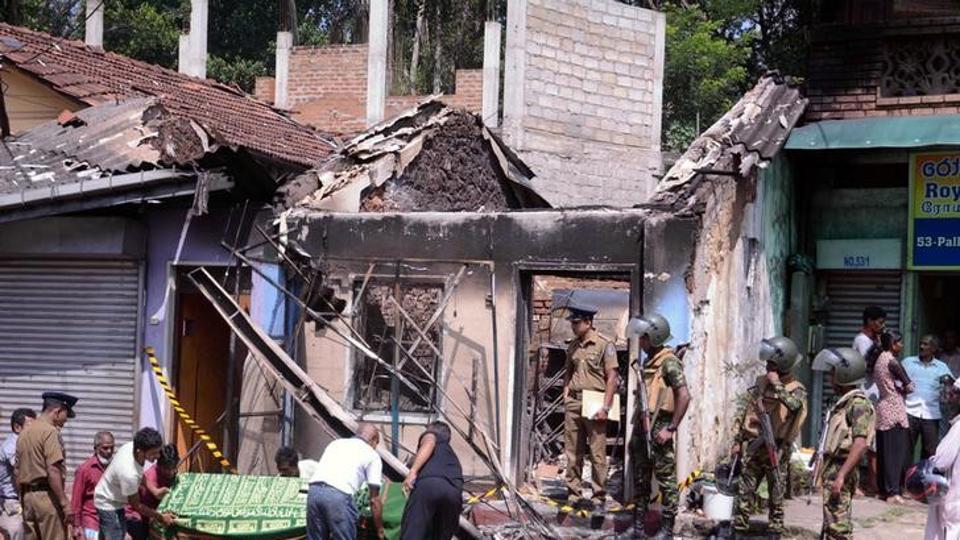
The end of the country’s civil war in 2009 was followed by the emergence of hardline Buddhist nationalist groups, such as the Bodu Bala Sena, especially during the term of former president Mahinda Rajapaksa. These groups fed on the triumphalism among Sinhalas after the LTTE was vanquished. They have played on long-standing, albeit unfounded, fears of the Sinhala and Buddhist character of Sri Lanka somehow being under threat, while simultaneously spewing hatred against the Muslims, the third largest community which accounts for almost 10% of Sri Lanka’s 21.2 million population.
Sri Lanka watchers have noted the way violence erupted in the central and eastern parts of the country almost simultaneously and the use of messaging apps to spread rumours, giving rise to suspicions that it was pre-planned.
Despite the imposition of emergency, security forces stood by and watched during the latest attacks in the central part of Sri Lanka. India, already concerned about China’s growing influence in Sri Lanka, will be worried by any strife with ramifications for regional security. Given the bloodshed it has witnessed, Sri Lanka should be well aware of the long-term consequences of ethnic and sectarian strife. This alone should be a good enough reason for the government to crack down on the perpetrators of the latest violence and to demonstrate that it is committed to protecting the island’s minorities.


