
 E-Paper



Holding back on marriage equality
Supreme Court’s refusal to accord even limited recognition to queer couples and leave it instead to executive fiat is disappointing

 Prefer HTon Google


For a moment this windy autumn morning, it seemed India was poised to take a landmark step forward in affirming the rights of lesbian, gay, bisexual, transgender, queer (LGBTQ+) people. Half an hour into the pronouncement of the verdict in a raft of petitions by same-sex couples seeking legal recognition of their union, judgments read out by Chief Justice of India (CJI) Dhananjaya Y Chandrachud and Justice SK Kaul had bestowed adoption rights to the community and, while stopping well short of legalising queer marriage, had recognised civil unions, considered the stepping stone to full marriage rights the world over. Then the wind changed. At the end of the day, the majority judgment by the Supreme Court preferred the status quo, choosing to lob the ball in the government’s court to dispel the discrimination in everyday entitlements that LGBTQ+ couples face. The Union has promised to set up a committee headed by the cabinet secretary to look into these issues. But without a charter or specific guidelines to streamline its deliberations — the minority judgment specifically mentioned medical, jail visitation and financial rights, in addition to questions of succession, maintenance, and pensions, but the majority didn’t — outcomes will likely be shaped by political expediency. The petitioners have reason to be dejected.
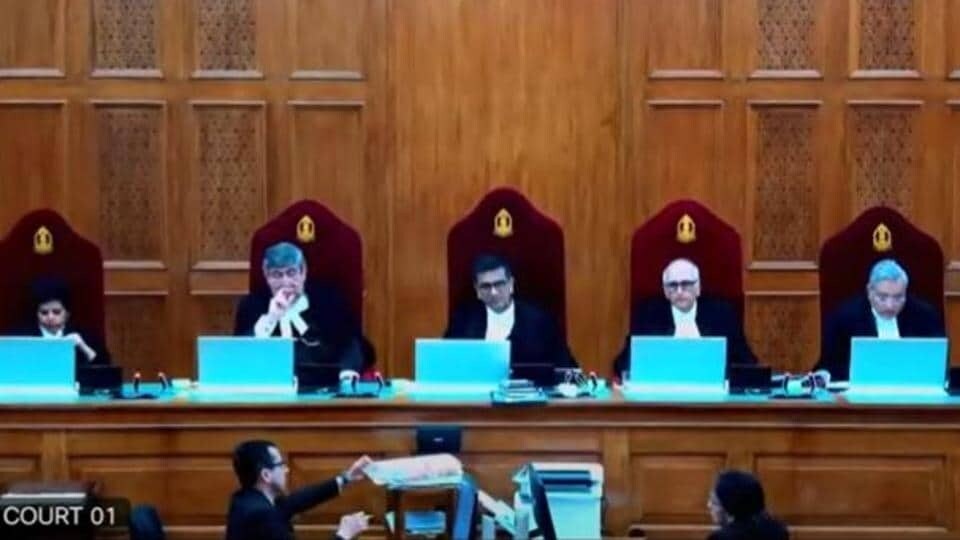
In every country, the journey from decriminalisation of queerness to recognition of marital rights has been long and arduous. So, granting full marriage rights to the community was always an outlier, especially considering the tangled mesh of secular and personal laws that govern marriage, divorce and inheritance in India. But the court’s refusal to accord even limited recognition to queer couples and leave it instead to executive fiat is disappointing.
Some moments in a country’s judicial journey become milestones because they guide the onward march in the quest for human rights and dignity. The court’s 2018 verdict that decriminalised homosexuality was one such, which encouraged queer people, young and old, out and not, to believe in the possibility of a better future. Tuesday’s verdict, in contrast, was a setback. But in the long arc of queer history — which has seen the top court dismiss a community as a “minuscule minority” only to say history owes an apology to them five years later — it is only a stumble, one that hopefully will not hobble the quest to ensure a life of dignity to millions of Indian citizens.


