
 E-Paper



Left-wing Extremism fight needs a development focus
A convincing return of LWE-affected areas to India’s democracy needs addressing the factors that allowed them to thrive there

 Prefer HTon Google


India’s electoral democracy is set to reach the forests of Abujhmad in Chhattisgarh’s Bastar region, with the Special Intensive Revision (SIR) of the country’s electoral rolls. Under the exercise, voters from the Dandami Madai tribe will see their names enter the rolls for the first time, upholding the constitutional promise of universal adult franchise. For a region that was virtually cut off from the rest of India for decades due to Left-wing extremism (LWE), this fundamental affirmation of the country’s democratic process is a metaphor for a true “return of power to the people”. To that end, the State’s recent military assertion against the Maoists — many have been killed and larger numbers have surrendered — has prepared the ground for the Naxal heartland to emerge from the shadow of the gun and join India’s democratic mainstream.
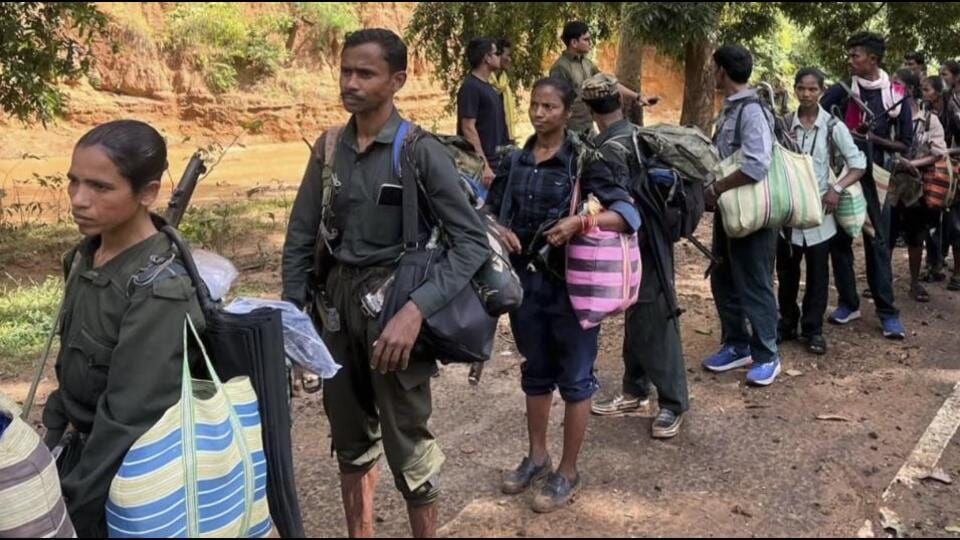
The Maoists could well retreat into history if the State keeps to its path, but a convincing return of LWE-affected areas to India’s democracy needs addressing the factors that allowed them to thrive there. The region’s dense forests helped the Naxals to carve out a stronghold after they fled armed action in erstwhile Andhra Pradesh — but it was equally about the State’s failure to deliver public goods and services to some of India’s most vulnerable people. The Maoists’ ability to drum up support among communities that originally had no representation in their cadres shows how effectively they were able to harness local deprivation to their anti-State narrative. This underscored the absence of participatory development in geographies that have supported progress elsewhere through their abundant resources. There are several micro-models of development that have successfully addressed the concerns of tribals elsewhere, which the State must immediately implement, tweaking them for the local context. The post-Maoist future of Abujhmad will depend on how the government builds its capabilities here in the coming days.


