
 E-Paper



Making India safer for women
Making women from all communities, castes, regions and backgrounds safer in our cities and villages must be a national goal achieved through broader and deeper solutions.

 Prefer HTon Google


A woman stabbed 51 times by her stalker with a screwdriver in Chhattisgarh’s Korba district. A 17-year-old girl attacked with acid on her way to school in west Delhi. A 27-year-old woman murdered and hacked into 35 pieces, allegedly by her partner, in the Capital. These headlines underline an alarming trend that has added a menacing new dimension to the endemic problem of crimes against women — that of rising brutality in such incidents. National Crime Records Bureau data shows that in 2021, a crime against a woman was recorded nearly every minute, with abduction, rape and domestic violence forming the bulk of the cases. These numbers have risen year after year, with the exception of the pandemic-affected 2020, indicating both institutional inability to tackle violence against women and more robust reporting of these crimes as a result of greater awareness.
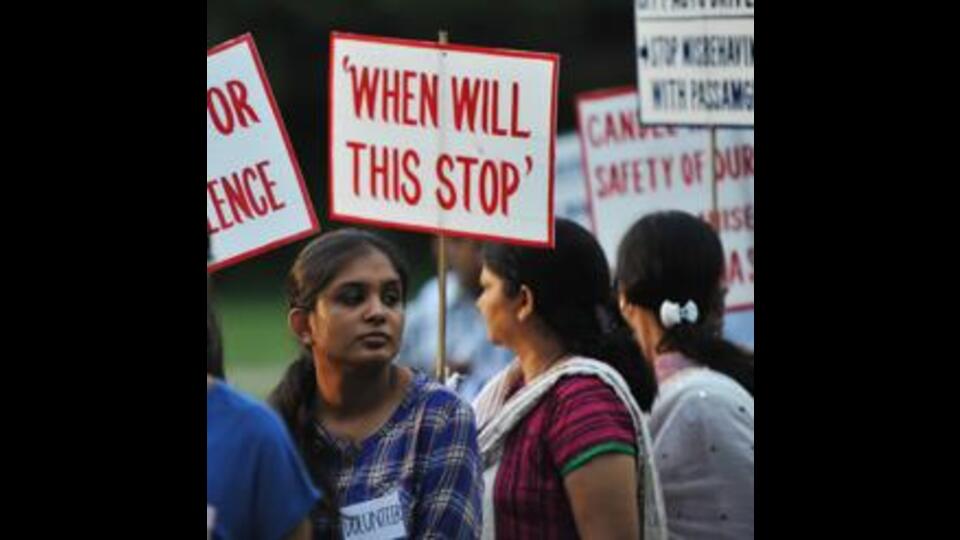
But the spate of recent crimes is worrying due to the ferocity of the attacks. It has left the police baffled and society shocked, underlining a fundamental disconnect between decades-old efforts to fight violence against women, and social realities that are fuelling misogynist mindsets and criminal behaviour. Unfortunately, instead of renewed conversation around more sensitive and consistent policing and awareness, the discourse has often veered towards communal rhetoric, focusing on the faiths of the victims and the alleged perpetrators, and theories against interfaith relationships.
Two takeaways are important. The first is about the link between the impulse to brutalise women and education, awareness and social conditioning. As women’s groups have argued over the years, sensationalism cannot effectively tackle crimes against women at a larger level, only even-handed, reliable and persistent law enforcement can, because it tells criminals that they cannot get away. Moreover, more sensitive education, awareness and normalising conversations on women’s rights can help break patterns of male entitlement and ensure women aren’t pushed on the defensive. The second is about focusing on political or communal rhetoric every time such violence is reported. The details of each crime must be left to police investigations, but to try and retrofit regressive ideas of segregation onto crimes harms the quest to end violence against women because it fails to recognise the real problem. Making women from all communities, castes, regions and backgrounds safer in our cities and villages must be a national goal achieved through broader and deeper solutions.


