
 E-Paper



Miracle claims can’t drive medical care
Establishing the efficacy of a system of alternative medicine requires scientific research, not vague claims, and not anecdotal reports of miracle cures.

 Prefer HTon Google


The Supreme Court (SC)’s censure of Patanjali, Baba Ramdev, Acharya Balkrishna and the Union government over the company’s snake oil advertisements highlights the collateral fallout of the behaviour of all parties concerned.
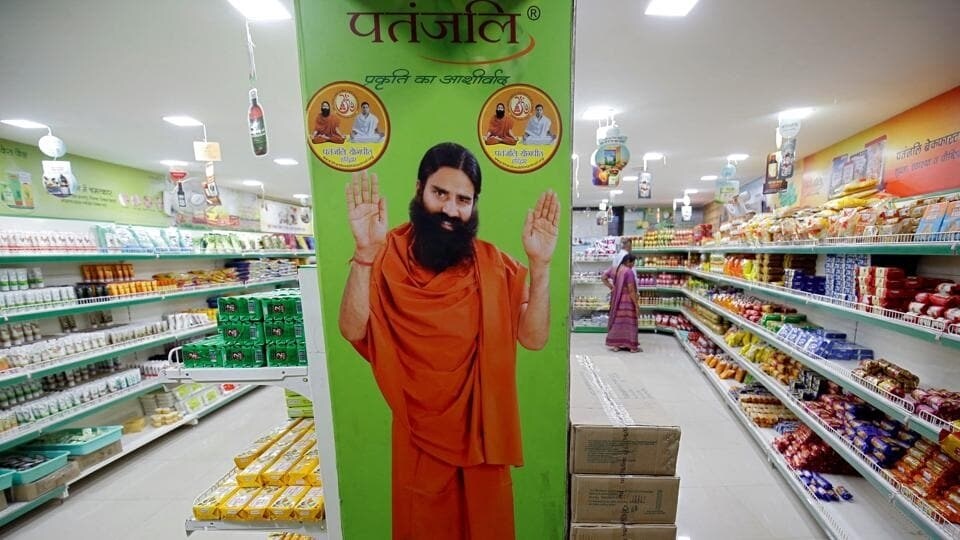
One, it has dented the Centre’s credibility in matters related to health care, science, and technology — areas where it likes to take pride in not just its achievements, but the systems and processes it has put in place (and in matters related to science, these sometimes matter as much as the outcome, if not more). To illustrate, a committee set up by the Ayush ministry that reviewed Patanjali’s application to classify its Coronil tablets as a Covid-19 cure, as opposed to being an “immunity booster”, said the tablet could only supplement Covid management. Despite this, it was marketed as a cure, and Patanjali merely received a warning, though the Drugs and Magic Remedies (Objectionable Advertisements) Act prescribes stricter deterrents. The Centre’s decision last year to drop a rule governing ads of Ayush formulations from the Drugs and Cosmetics Rules, 2018 underscores the willingness to create alternative regulations for alternative medicine.
Two, Ramdev’s criticism of modern medicine and its practitioners, Patanjali’s tall claims about the almost miraculous powers of its formulations, Balkrishna’s opinion on the antiquity of the current regulatory regime, and the Centre’s seeming reluctance to act against the offenders have hurt Ayurveda itself. The underlying message of the SC proceedings is clear. Establishing the efficacy of a system of alternative medicine requires scientific research, not vague claims, not tall promises, and definitely not anecdotal reports of miracle cures. It is now up to all stakeholders to understand this message, change their approach, and further the cause of Ayurveda.


