
 E-Paper



MoM pushed India into elite space club
When it was launched successfully in Mars’ orbit on September 24, 2014, India became the first nation to do so on the first attempt, and the Indian Space Research Organisation the fourth space agency to do so

 Prefer HTon Google


Eight years after its launch in 2013 marked an epoch for Indian space exploration, the Mars Orbiter craft has run out of propellant and its battery has drained beyond the safe limit, this newspaper reported on Monday. This has fuelled speculation that the country’s maiden interplanetary mission – Mangalyaan, or Mars Orbiter Mission (MoM) – may have finally completed its innings, well beyond its designated life of six months.
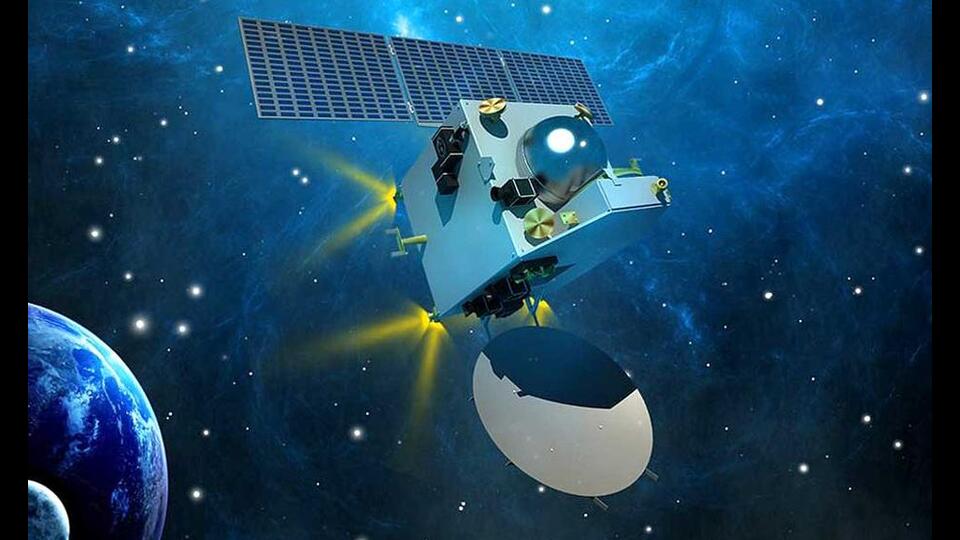
When the ₹450 crore Mars Orbiter Mission was launched on board a PSLV-C25 on November 5, 2013, it captured the imagination of the ordinary man in a country where scientific achievements rarely make it to the popular consciousness. The project began modestly – as a technology demonstrator to help scientists fine tune the designing, planning, management, and operations of an interplanetary mission – and its five onboard instruments explored the surface, topography, mineralogy and atmosphere of Mars. But in its extended lifetime, the craft notched up several firsts. When it was launched successfully in Mars’ orbit on September 24, 2014, India became the first nation to do so on the first attempt, and the Indian Space Research Organisation (Isro) the fourth space agency (after the National Aeronautics and Space Association, Roscosmos and European Space Agency) to do so. Isro also preferred an elliptical Earth orbit, gradually pulling away before using the earth’s gravity to slingshot itself on its 400 million km journey. This helped keep costs low and worked around the lack of a powerful booster rocket.
The fact it cost a tenth of Nasa’s Maven launched the same year, and the precision with which scientists were able to trace its trajectory and make it a success, boosted Isro’s confidence and announced the arrival of India on the global space exploration stage. At a time when scientists are busy with India’s maiden manned space mission, Gaganyaan, the lessons and troves of data from that refrigerator-sized box covered in gold foil are a source of both pride and learning.


