
 E-Paper



Murky elections, unclear verdict
Weak government in Islamabad diminishes prospects of thaw in the relations with India

 Prefer HTon Google


Pakistan’s just concluded general election was critical as the government that emerges in the coming days will have to contend with a host of challenges, including the sharpest economic downturn in decades, deep polarisation within society, resurgent insurgencies, and the need to repair relations with key powers such as the US. Instead of being a free and fair exercise, the election was mired in controversies, ranging from the harassment and detention of candidates from former premier Imran Khan’s Pakistan Tehreek-e-Insaf (PTI) party, snapping of mobile and internet services on polling day, and accusations of “engineering” following the voting, which was marked by an overall low turnout. Though Khan is in jail and the PTI was unable to contest the polls as it was barred from using its election symbol, independent candidates backed by the party made an especially strong showing. The word on the streets of Lahore, once the bastion of three-time premier Nawaz Sharif’s Pakistan Muslim League-N (PML-N) party, was that many stalwarts of the party had been snubbed by voters before pulling off miraculous wins.
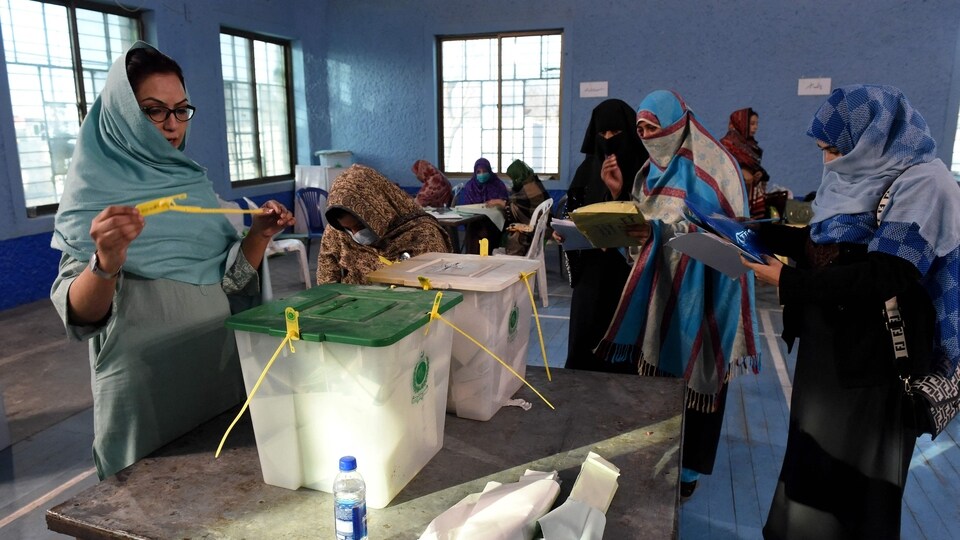
Amid all the confusion, it is now becoming clear that the supporters of Khan defied the unofficial ban on the PTI and voted in sizable numbers for the party’s independent candidates (who form the single largest bloc among declared results). It is equally clear that the powerful military establishment miscalculated the impact of its considerable efforts to keep the PTI out of the race, and that the rise of Khan’s party in recent years has come at the cost of the PML-N, which is no longer the behemoth that had a vice-like grip on Punjab, Pakistan’s most populous and politically crucial province.
That is not to say that the PML-N or the military are out of the race. PML-N leaders are already talking about forming the government. The army, which has ruled Pakistan for almost half of its history, has, since the era of former dictator Pervez Musharraf, perfected the art of meddling in the political domain from the background, and will continue to do so — although the results are a strong vote against it. There is also talk of the PTI keeping its independent candidates together by getting them to join a smaller party, which could then play the role of a kingmaker.
No matter how things pan out, and irrespective of its legitimacy on the street, the government that is formed in Islamabad is unlikely to be politically stable. While the possibility of a government led by Sharif, who has always advocated for better relations with India, had given rise to hopes for a thaw in bilateral ties, a weak government that is overly dependent on the military for its survival can hardly be expected to throw its weight behind any significant effort to fashion a new relationship with India. The Indian side too can hardly be expected to make any fresh outreach when New Delhi’s core concern of terrorism remains to be addressed by Islamabad. The current freeze in relations appears set to continue for some time to come.


