
 E-Paper



Protect the ethos of a multicultural India
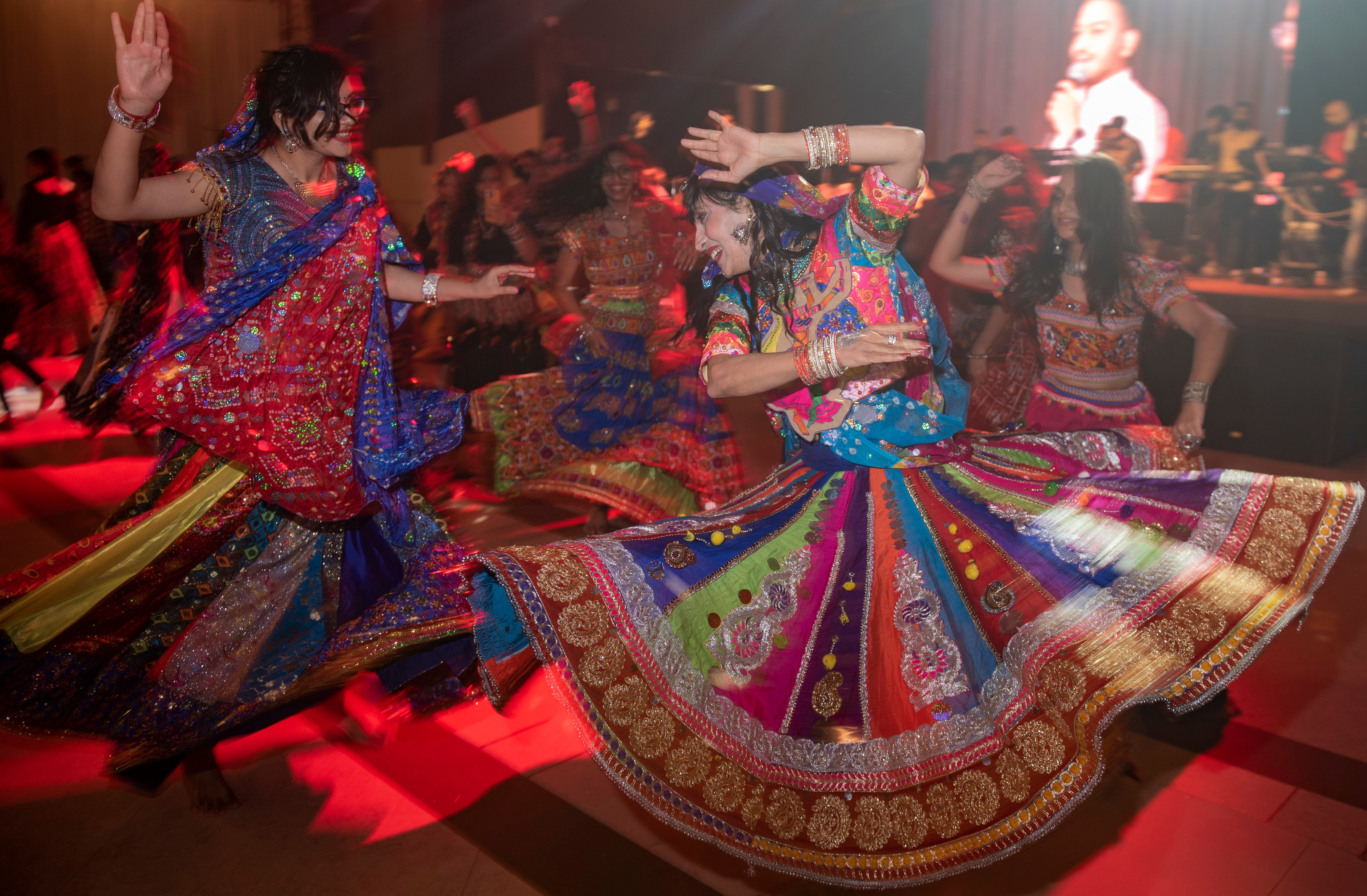
During the Navrati season of festivities, local Hindu groups objected to the entry of Muslim men in pandals during Garba celebrations.

 Prefer HTon Google


The Navratri season of festivities in some parts of western and central India has been somewhat marred this year by an unnecessary controversy after local Hindu groups objected to the entry of Muslim men in pandals during Garba celebrations. The groups alleged that the men tried to hide their religious identity to enter the pandals, caused disturbances during religious ceremonies, and tried to molest some of the women taking part in the rituals. The bogey of “love jihad” — a conspiracy theory of Muslim men luring Hindu women on the pretext of sham marriages in order to convert them to Islam — was also raised.
In a multicultural country, respect needs to be accorded to all religions, and if someone attempts to interfere with the customs and traditions considered holy by a tradition, they need to be dealt with strictly and under the provisions of the law. Similarly, there can be no tolerance for crimes against women and it is the responsibility of the festival organisers and police to ensure that all women feel safe during the celebrations. But it must also be kept in mind that India’s festive season has a syncretic tradition, and many customs act as bridges between communities, bringing people together and enriching India’s ethos. There are hoary traditions of people from various religious communities coming together to celebrate festivals such as Diwali and Durga Puja. Act against people trying to create mischief, but don’t book people for taking part in festivals, and don’t build walls between communities.


