
 E-Paper



Rediscovery of Karpoori Thakur
Bharat Ratna for the socialist leader from Bihar is also an acknowledgment of the electoral import of social justice politics

 Prefer HTon Google


ABharat Ratna for Karpoori Thakur, more than three decades after the socialist leader and twice chief minister (CM) of Bihar passed away, is a belated recognition of the social justice politics pioneered by Ram Manohar Lohia. Lohia foregrounded caste as the primary identity in society and advocated reservations for other backward classes (OBCs) to build an egalitarian India. The idea took time to gain roots in northern India, the main battleground of Lohiaite politics. Leaders such as Thakur stood with Lohia in resisting the Congress’ political hegemony, which was ambiguous towards reservations as a social policy, and succeeded in transforming politics in the Hindi heartland. As the Bihar CM in the late 1970s (when he was part of the Janata Party), Thakur introduced sub-quotas within the OBC segment to ensure that the numerically small backward castes could access the benefits of reservations.
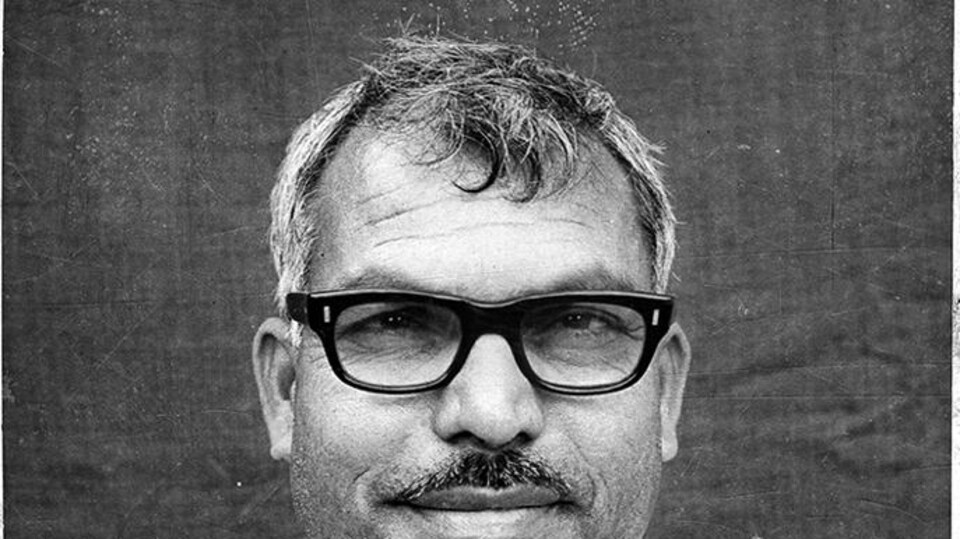
However, the immediate context for honouring Thakur may well be the move by the INDIA bloc, a formidable alliance in Bihar, to make OBC empowerment the centrepiece of its campaign in the general elections. The announcement of the award came a day before Thakur’s birth centenary, which the Janata Dal (United) and the Rashtriya Janata Dal, were poised to celebrate on a grand scale. However, the BJP may have stolen the thunder from them by conferring Bharat Ratna on Thakur. Though Thakur was never associated with the Hindu Right, it is clear that the BJP is in no mood to let the two parties, flag bearers of social justice politics in Bihar, monopolise Thakur’s legacy, which has loomed large in post-Mandal Bihar.
In that sense, the Bharat Ratna awarded to Thakur is a reflection of the pull caste continues to exert on Indian politics. The BJP and the Congress in the Hindi heartland were opposed to Mandal, but today both parties are careful to endorse the politics of social justice. At a micro-level, honouring Thakur could be an outreach to the extremely backward classes, and an attempt to prevent consolidation of OBC votes in the wake of the Bihar caste census: The INDIA bloc’s demand for a nationwide caste census has the potential to paper over differences within the OBC segment, even challenge the consolidation of the Hindu vote that the BJP has already achieved, and hoped to build on with the Ram Mandir. The BJP does not want to leave any flank open for the Opposition to attack it. The Bharat Ratna for Thakur has spiced up the contest in Bihar.


