
 E-Paper



The increasing threat of lightning strikes
Thunderstorms accompanied by lightning strikes (usually in the pre-monsoon and monsoon months) are the single largest killers among natural disasters in India, according to the National Disaster Management Authority

 Prefer HTon Google


In 2020, India recorded a nearly 23% increase in lightning episodes compared to 2019, says a report by Earth Networks, a private firm specialising in weather intelligence data. The report, released on Monday, shows its network detected 39.55 million lightning pulses in India. Nearly 13.03 million were dangerous “cloud-to-ground” strikes, which make lives and property vulnerable.
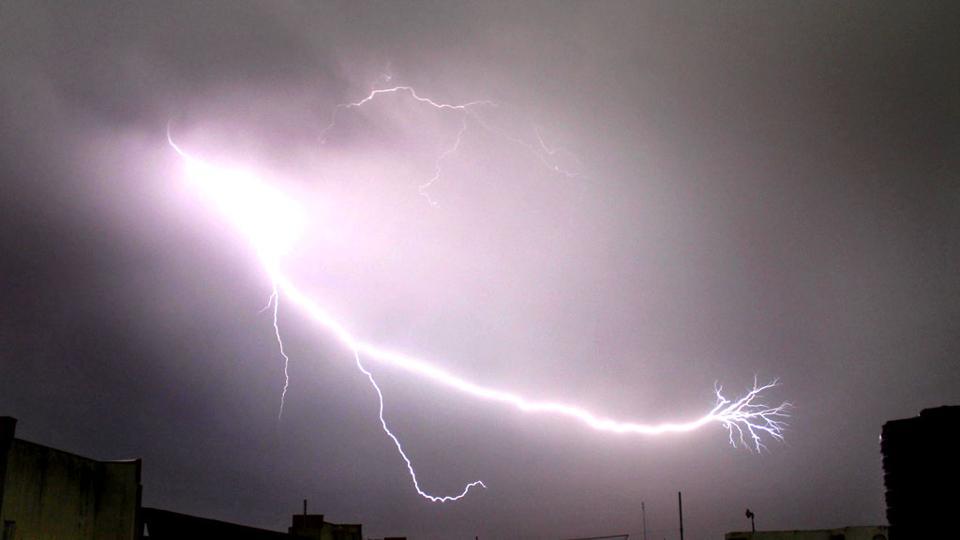
Thunderstorms accompanied by lightning strikes (usually in the pre-monsoon and monsoon months) are the single largest killers among natural disasters in India, according to the National Disaster Management Authority. Lightning strikes have killed at least 2,000 people every year in India since 2004, the India Meteorological Department (IMD) said in June. The increasing number of lighting-related episodes is now being linked to the climate crisis. This is because surface temperature and moisture levels have increased significantly in recent years. The increasing moisture level provides favourable condition for the development of thunder clouds and collision of ice particles leads to charging and lightning strikes.
It is crucial that states relay the benefits of improved forecasting to the people, and install lightning arresters in rural areas. Odisha has reduced lightning deaths by installing arresters. The early warning messages must be in local languages and all communication mediums must be used. States should undertake lightning micro-zoning for regions, depending on their geography, to handle disaster and death risks better. With temperatures rising due to global warming, India is certain to see a spike in lightning mortalities in the future, and so states must put in place adequate systems and channels that disseminate information effectively to save lives and property.


