
 E-Paper



The seas versus the mountains
Beijing’s belligerence comes in the wake of its new (brief) incursions both in the middle sector (Uttarakhand) and eastern sector (Tawang) over the past month, and polemics against Vice President M Venkaiah Naidu’s visit to Arunachal. India should use the seas to enhance leverage, but remember its greatest challenge is in the mountains.

 Prefer HTon Google


For the United States (US), and many countries in Asia, the key global threat at the moment is Chinese expansionism. This expansionism has been felt most acutely in the maritime sphere in the South China Sea. There is thus recognition of the need to keep sea lanes and smaller islands in the region free of Chinese ingress and militarisation. The coming together of four naval democracies in the form of Quad is an outcome of this assessment. And while Quad isn’t a military alliance, military exercises among Quad partners are now a regular phenomena in the Indo-Pacific. It is in this backdrop that India and the US have got to a stage where, from an era of distrust, especially in the defence realm, their respective naval chiefs now participate together in a joint exercise in the Bay of Bengal, as they did on Thursday. Their presence in the southern part of South Asia was meant as a signal to the power to the north of South Asia, and there is little doubt that China would have taken note.
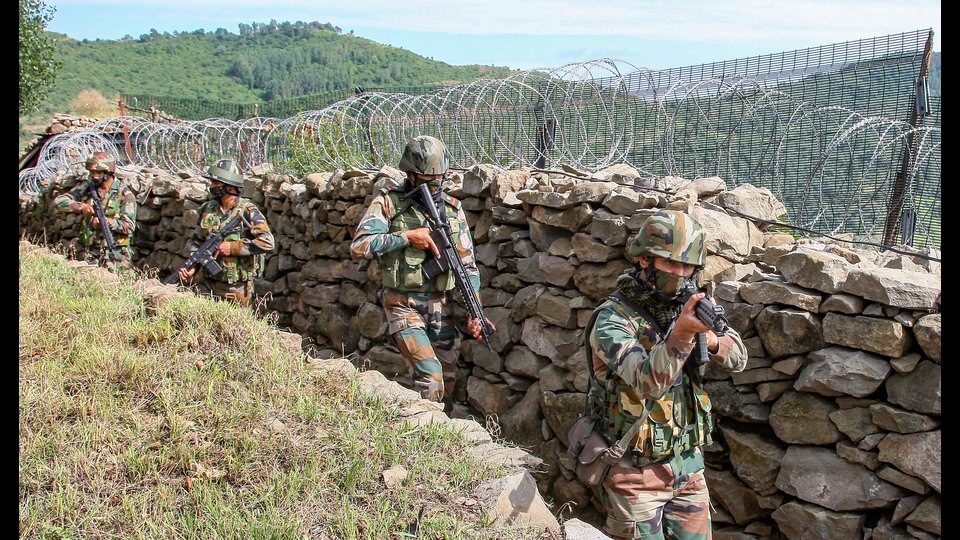
On the very day that Delhi and DC sent a signal from the seas, Beijing sent its own signal from the mountains — as news broke of forward movement in China’s protracted boundary negotiations with Bhutan. To be sure, given the remarkably close partnership between India and Bhutan and the Thimphu royalty’s clear strategic orientation towards Delhi, Bhutan would have informed India about these negotiations in advance. China and Bhutan have also just agreed on a three-step framework, not an outcome. And India remains in a position to indirectly shape these talks. But despite these caveats, the fact is that the evolution of Bhutan-China boundary talks can have a profound impact on India’s security in the eastern Himalayas, and not necessarily positively.
In the same week that the India-US maritime partnership got more robust, the India-China stalemate in Ladakh also deepened, with unusually harsh public statements after military-level talks failed to make progress. This indicates that China wants to stay put in the new areas where it has established its presence, and is not even bothering with the pretence of being constructive. Beijing’s belligerence comes in the wake of its new (brief) incursions both in the middle sector (Uttarakhand) and eastern sector (Tawang) over the past month, and polemics against Vice President M Venkaiah Naidu’s visit to Arunachal. India should use the seas to enhance leverage, but remember its greatest challenge is in the mountains.


