
 E-Paper



Two years of Covid: India’s report card
India's pandemic story began on March 2. Since then, there have been 43 million known infections and over 514,000 confirmed fatalities

 Prefer HTon Google


It was on March 2 that India’s pandemic story began two years ago. Between the first confirmed case of a Delhi businessman then to the little over 8,196 cases recorded across the country on Tuesday, there have been 43 million known infections and over 514,000 confirmed fatalities — though the actual numbers are likely to be manifold higher.
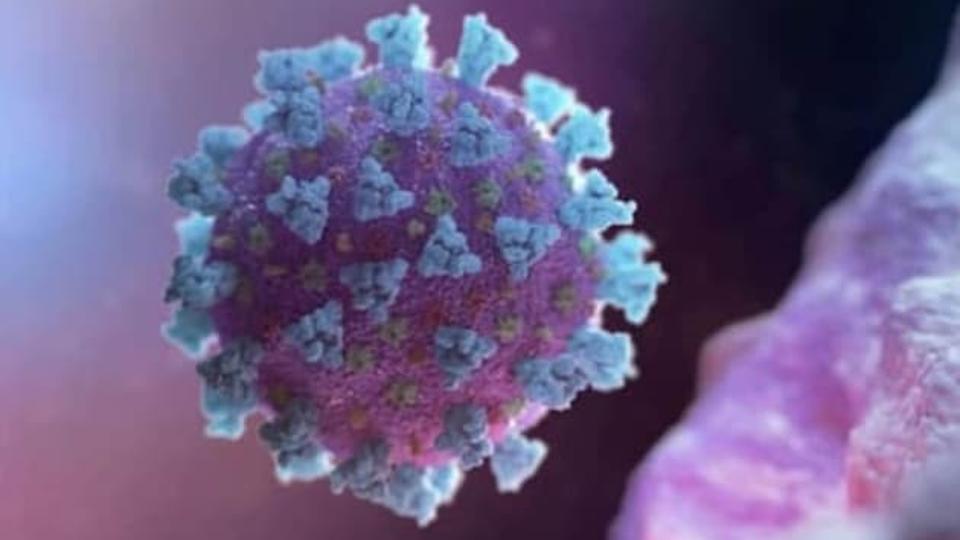
India’s pandemic story can be told by certain milestones: The hard lockdown in the summer of 2020, the devastating second wave in the spring of 2021, and the third wave in early 2022. While each of these milestones reflects some learnings, it was the Delta variant-induced wave in 2021 that exposed a staggering inability to understand the disease and maintain discipline. At one point in May, India lost close to 4,200 lives on average, every day. In contrast, the weekly average of deaths was at 1,169 in the first wave, and 1,133 in the third wave.
But there were also successes — India’s mammoth vaccination drive being the foremost among them. By the time the third wave struck the country in early 2022, providentially by a variant (Omicron) that in itself was milder, the country had delivered at least one shot of a coronavirus vaccine to 95% of its eligible adult population. Consequently, the country sidestepped the devastation of the year before. Widespread vaccine coverage places India in a good position for the future. But there are many areas that still need attention: Children’s vaccination (at least of those over the age of 12), booster doses and maintaining medical readiness are among the top areas that need focus. It is when things seem most normal, like they are now, that the country must focus on proper disease and variant surveillance.


