
 E-Paper



US Prez's India rice rant lacks a grain of truth | Number Theory
There is good reason to believe that Trump’s latest rant against India is devoid of facts
Updated on: Dec 10, 2025, 09:42:31 IST

 Prefer HTon Google
Share via


Copy link

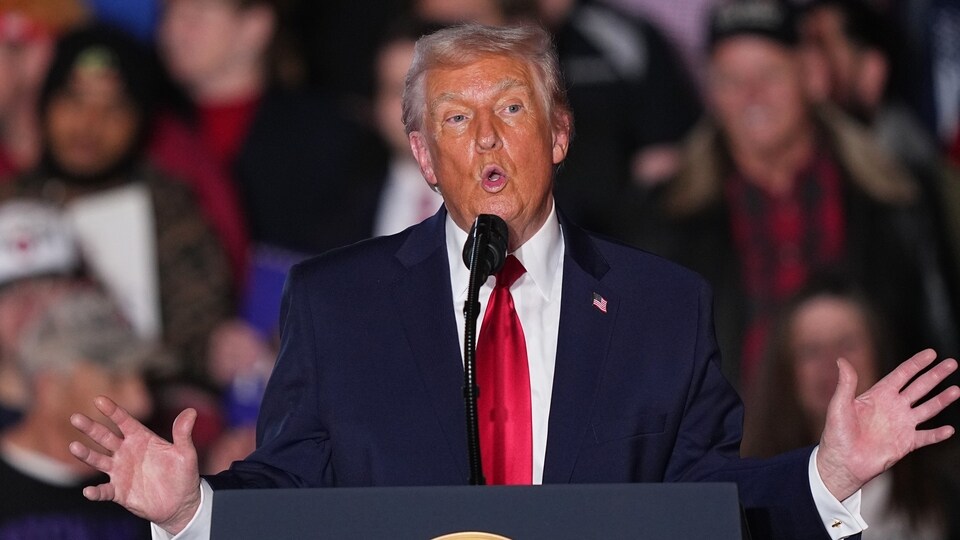
US President Donald Trump is now upset about India “dumping” its rice in the US. “India, tell me about India. Why is India allowed to do that? They have to pay tariffs. Do they have an exemption on rice? They shouldn’t be dumping. I mean, I heard that, I heard that from others. You can’t do that”, he said on Monday and suggested possible tariffs over and above the 50% which exists currently. There is good reason to believe that Trump’s latest rant against India is devoid of facts, hypocritical and possibly diversionary tactics to save himself from problems of US farmers which have been created by him, not India.
 India’s rice exports to the US are dominated by premium varietiesWhile India’s rice exports to the US have increased overtime, they are dominated by premium varieties rather than cheap grain. In 2024, milled basmati alone accounted for around 72% of India’s rice exports to the US, underscoring that its presence is centred on high-value aromatic rice consumed largely in diaspora households and restaurants.
- Average export quotes make this clearPrice comparisons make this even clearer. Average 2024-25 export quotes place Indian basmati at the upper end of the market, comparable to Thai fragrant and often above Pakistan Super Kernel and Vietnam jasmine, while India’s parboiled shipments—its exports in this segment remains extremely low—sit in the middle of the price spectrum rather than at the bottom. Far from flooding the market with cheap rice, the data shows India is selling the kind of rice that commands a premium, which sits at odds with Donald Trump’s claims of dumping.
- Rice is insignificant as far as US’s farm production is concernedFor all the outrage about Indian rice supposedly “hurting” American farmers, rice is a footnote in the US agriculture landscape. USDA NASS data shows it accounts for less than two percent of total crop production value in recent years. Moreover, US rice cultivation is concentrated in just a handful of states such as Arkansas, Louisiana, Mississippi, Missouri, Texas and parts of California, rather than across the farm-heavy Midwest heartland, which forms Trump’s most important support base. Threatening new tariffs over a crop this insignificant to the US agricultural sector is not going to help majority of US farmers or Trump’s supporters among them.
- Trump is battling a larger crisis in US agricultureThere is a much bigger problem brewing in American agriculture than premium basmati entering US supermarkets. The US has slipped from decades of comfortable farm-trade surpluses into a deep deficit, one of the worst ever seen in its agricultural history. This reversal has little to do with India and everything to do with bulk crops that once drove American farm income. The US was exporting soybeans to China, its biggest purchaser, at scale for years, until retaliatory tariffs during the last Trump trade war shattered that flow. Since then, China has steadily shifted to Brazilian soy, cutting US purchases sharply, and no other buyer has filled the gap. Add to that a strong dollar, weaker global commodity prices and tougher competition from Latin America, and American exports have been sliding while imports climb. Seen in that light, the latest tariff threats look less like a policy response and more like political theatre.
- The US is the last country which should complain about dumping cropsIt is particularly striking that the US , which just rolled out a fresh $12 billion “bridge-payment” bailout for farmers, still accuses India of market-distorting subsidies. Under OECD’s Producer Support Estimate framework—which measures whether policy raises or lowers farm incomes compared with world-market benchmarks—US farmers enjoy net support of about 7% of their gross receipts, thanks to long-standing subsidies, crop-insurance and periodic bailouts. India, by contrast, sits at about –14.5% (that’s right; it is negative), the lowest among major agricultural economies, signalling that India’s farmers are effectively being taxed through price caps, export restrictions and consumer-facing interventions that keep domestic prices below global levels. Put plainly, the US cushions its farmers, India squeezes its own, yet Washington claims India has an unfair advantage.




Unlock a world of Benefits with HT! From insightful newsletters to real-time news alerts and a personalized news feed – it's all here, just a click away! -Login Now!


