E-Paper



What's at stake for the US in Federal Reserve vs Trump? | Number Theory
What could have possibly driven the latest precipitation and what are the possible implications of a confrontation between US govt and its monetary authority?

 Prefer HTon Google


The latest (hitherto unimaginable) headline from Donald Trump’s America is the head of the US central bank coming on camera to say that he has been threatened with a criminal investigation for refusing to compromise what has often been considered a bulwark of US’s economic leadership in the world – an autonomous central bank setting monetary policy (read interest rates). “This is about whether the Fed will be able to continue to set interest rates based on evidence and economic conditions—or whether instead monetary policy will be directed by political pressure or intimidation,”, Federal Reserve Chair Jerome Powell said in a video statement on Sunday. While Trump has made no secret of his liking for a lower intertest rate or a more pliable central bank leadership, what could have possibly driven the latest precipitation and what are the possible implications of a confrontation between the US government and its monetary authority? Here are three things which offer some idea.
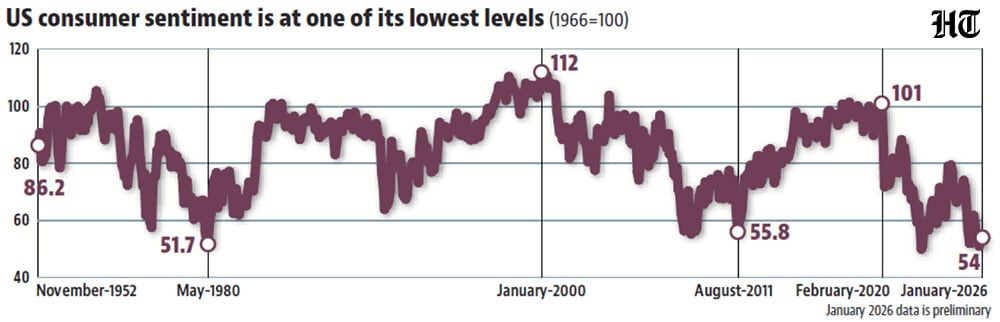
 Cost of living crisis has been chipping away at Trump’s political appeal more recentlyFrom a left leaning mayor in New York, who pretty much won the election on an affordability plank to some reverses in governor polls held last year, there are enough signs that a large number of Americans barring the super-rich are feeling the pinch of a cost-of-living crisis. This is best seen in the plummeting consumer confidence levels in the US economy. With mid-term polls just about 10 months away, Trump would like to throw the kitchen sink at the problem. His recent pronouncements such as capping credit card interest rates, preventing institutional investors from buying single family homes, even promising cheaper oil by taking over Venezuela etc. are all steps in that direction. Given the centrality of mortgages in the US consumer economy, the Federal Reserve bringing down interest rates will obviously help a lot.
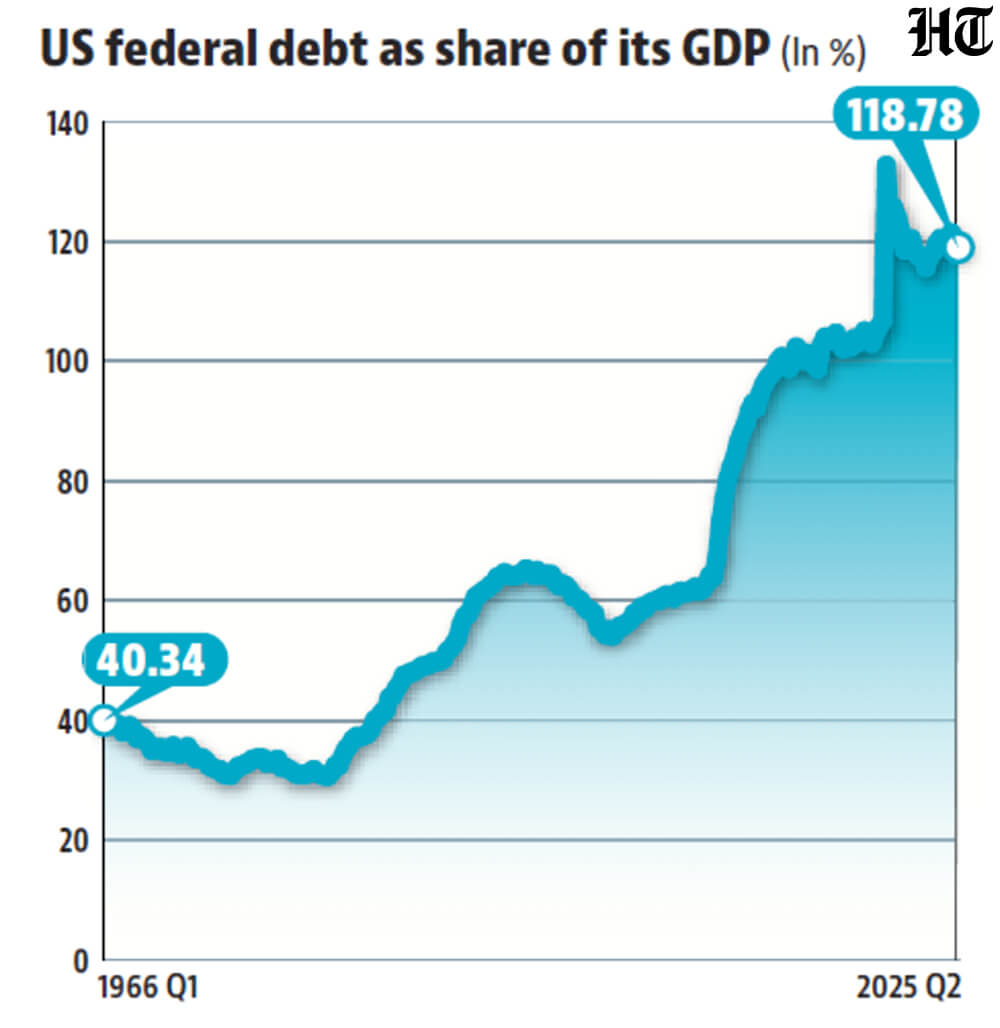
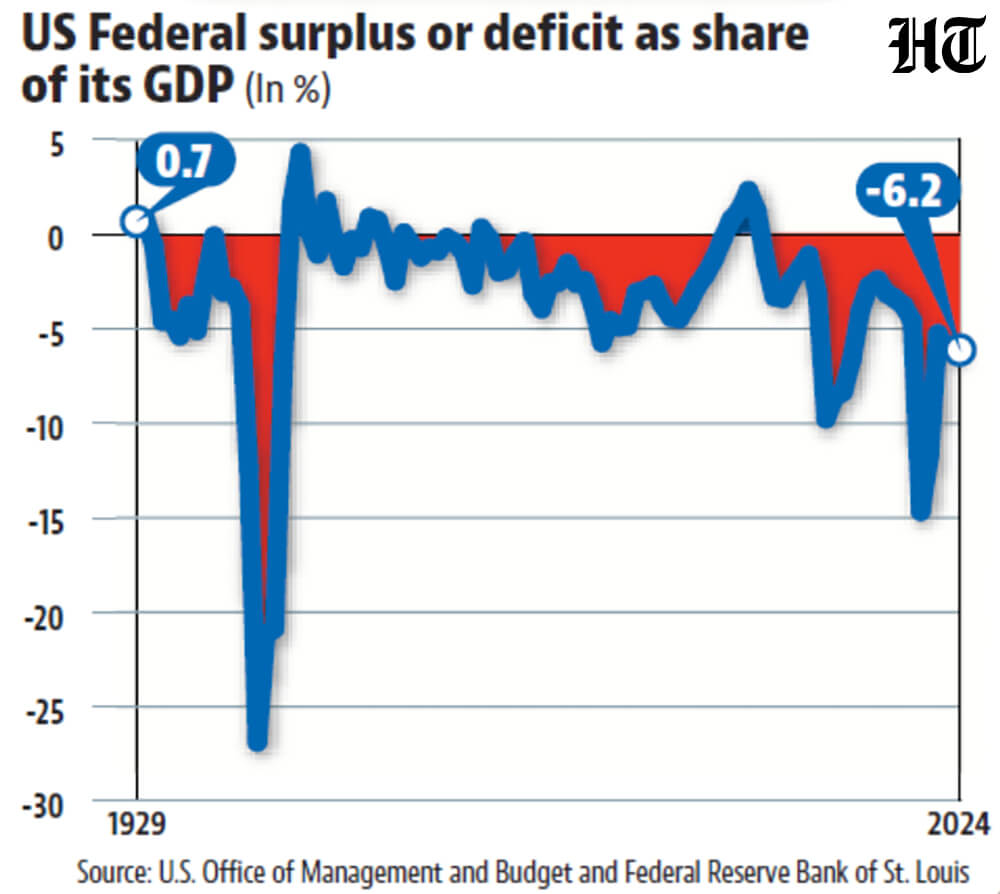
- The push for a monetary easing becomes easier to understand given the imperative for fiscal tighteningUS’s debt-GDP ratio and fiscal deficit, while they have come down from their pandemic peaks, are still very high by historical standards. Unless they come down from present levels, US’s fiscal outlook will continue to inch towards precarious. Policy choices such as large, unfunded tax cuts or sweeping spending packages — including those like Trump’s One Big Beautiful Bill Act — would only widen deficits and add to public debt, further weakening the country’s long-term fiscal position. Given this imperative for fiscal consolidation, Trump is more dependent on monetary easing as far as a policy palliative for the current economic pain in the US is concerned.
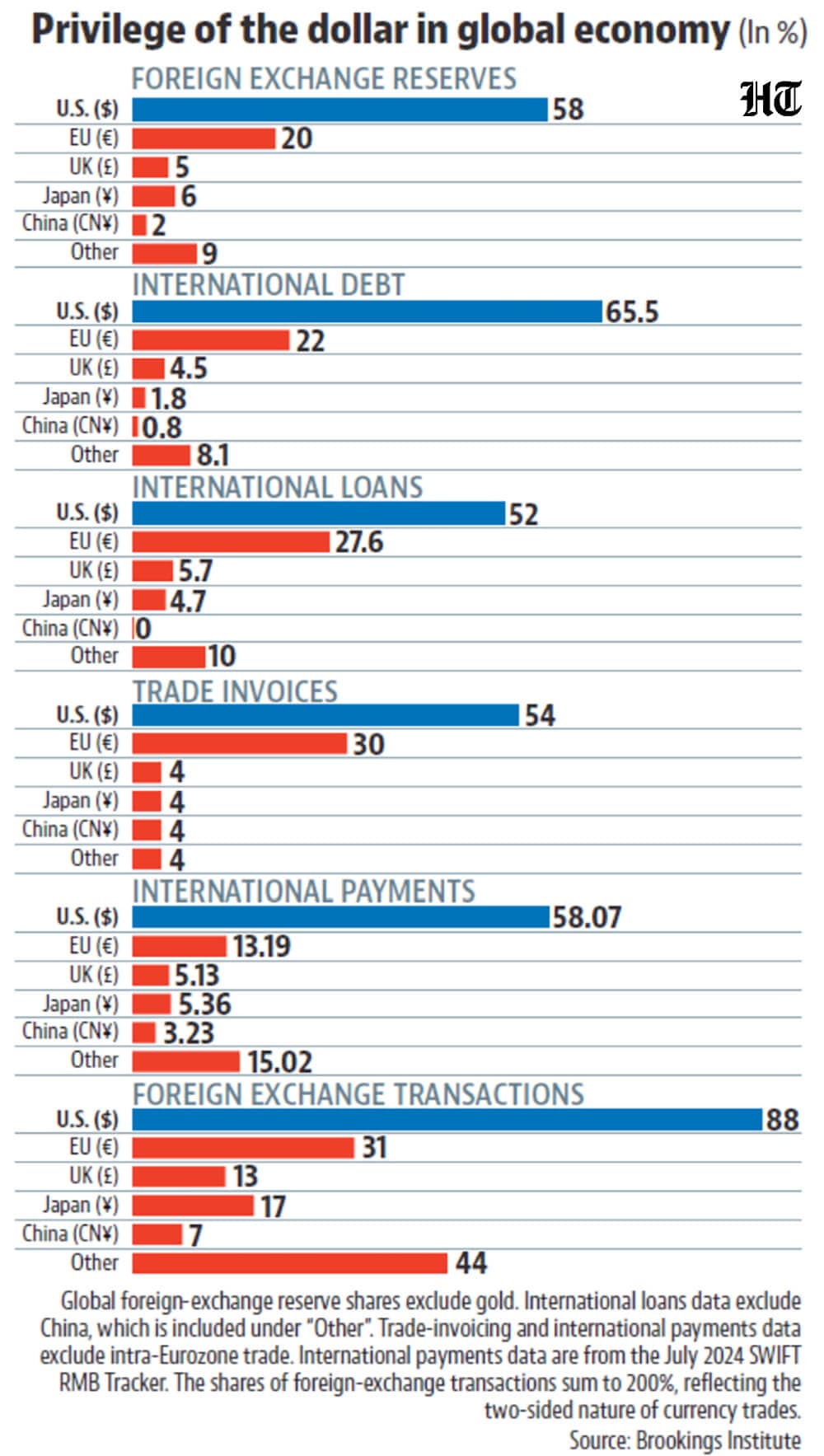
- But any significant damage to the credibility of US economic policy could harm US’s economyWhile Trump has been shouting this from the proverbial rooftop, US has been the global capitalist leader for a long time now. This role, as has been well recognized by economists brings both perks and responsibilities. Among the biggest perks of being the global economic leader is the advantage which the dollar enjoys as the world’s dominant currency. US Dollar, according to latest data is most widely used for holding reserves as well as debt and payments. This allows the US to borrow at a cheaper rate than any other country and also run a higher deficit because there is always an appetite for dollar bonds outside the domestic market of the US. These benefits, are not just applicable in the realm of abstract macroeconomic concepts, but are also key to the worldwide dominance of the US in the financial and banking sector. Should the global bond and currency markets fear that the outcome of the ongoing Trump versus Federal Reserve battle will shift decisively in favour of Trump and compromise the inflation targeting credentials of its monetary policy arm, one cannot rule out drastic movement in global capital and currency markets leading to some write off in the dollar’s dominance. Of course, the US in the past has had to inflict domestic pain in order to preserve its international capitalist leader credentials. Most famously when the then Fed Chairman Paul Volcker drove interest rates into the high teens in the early 1980s, deliberately triggering a deep recession with large scale economic suffering to crush inflation and restore the credibility of US monetary policy. Trump, of course, believes in only enjoying the perks of US power and not paying the costs required to maintain it.