E-Paper



Why India is right in resisting US demand to open up agriculture | Number Theory
.

 Prefer HTon Google


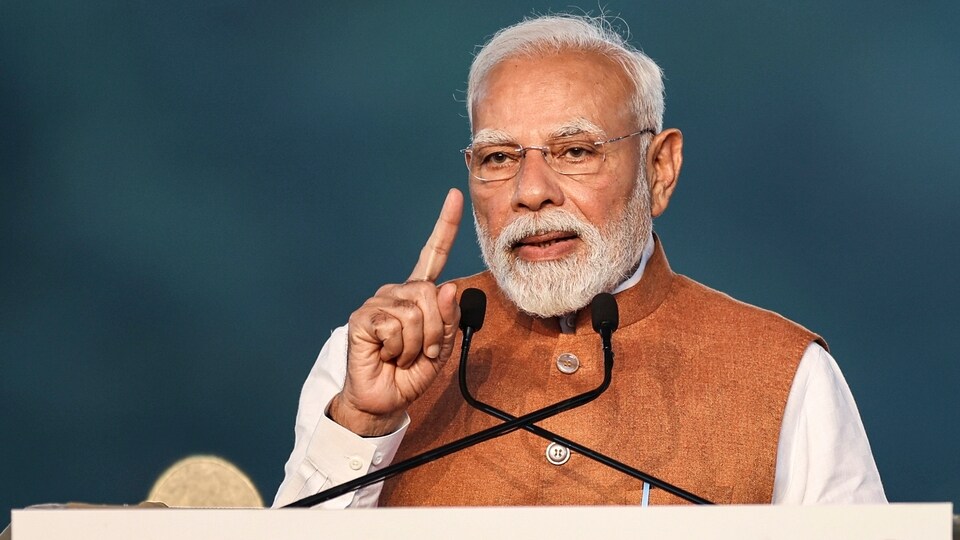
Prime Minister Narendra Modi’s statement that he will protect the interest of Indian farmers (including those in the dairy and fishery business) despite adversity is the first official hint that not opening up agricultural trade for the US was a sore point in Indo-US trade talks and perhaps contributed to Trump putting a 25% tariff on India. The initial 25% tariff has subsequently been clubbed with another blatantly unfair 25% on account of India’s crude oil imports from Russia. China, which imports more crude oil than India from Russia has not faced any such tariff. Whether or not these facts change in future negotiations, India is perfectly justified in resisting US demands for opening up its farm and related sectors to the US. Here are four charts which explain why this is the case.
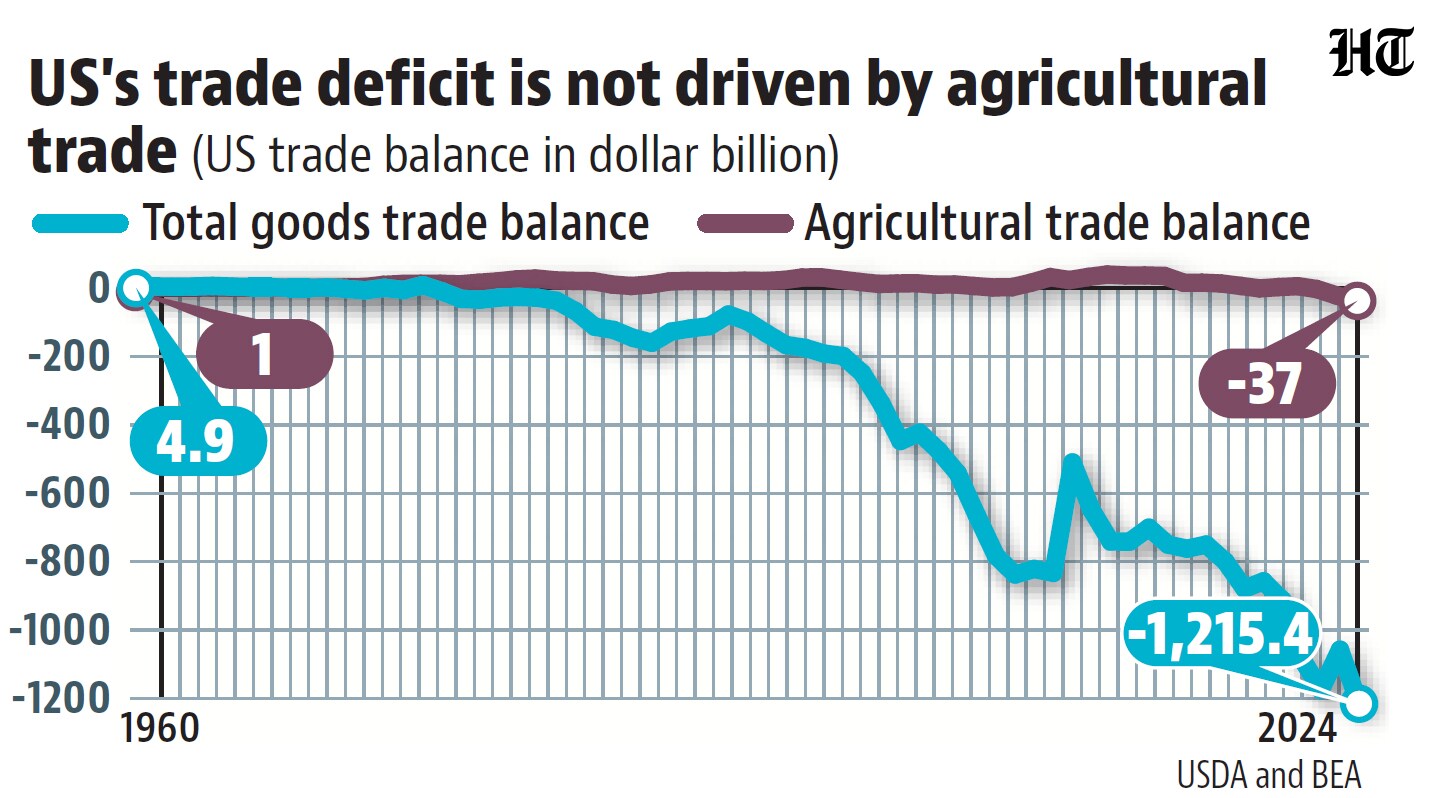
 US does not have a trade balance problem in agricultureThe US has had a merchandise trade deficit for many decades now. Trump has been citing this as a justification for his trade war against the world at large. Notwithstanding the justification of Trump citing US’s merchandise trade deficit – a lot of trade is driven by comparative advantage related factors – agriculture is one area where he should not be complaining. This is because the US has mostly had a merchandise trade surplus in agricultural trade unlike its non-agricultural component. Agriculture, therefore ought not to be the deal breaker in US’s trade negotiations with other countries.
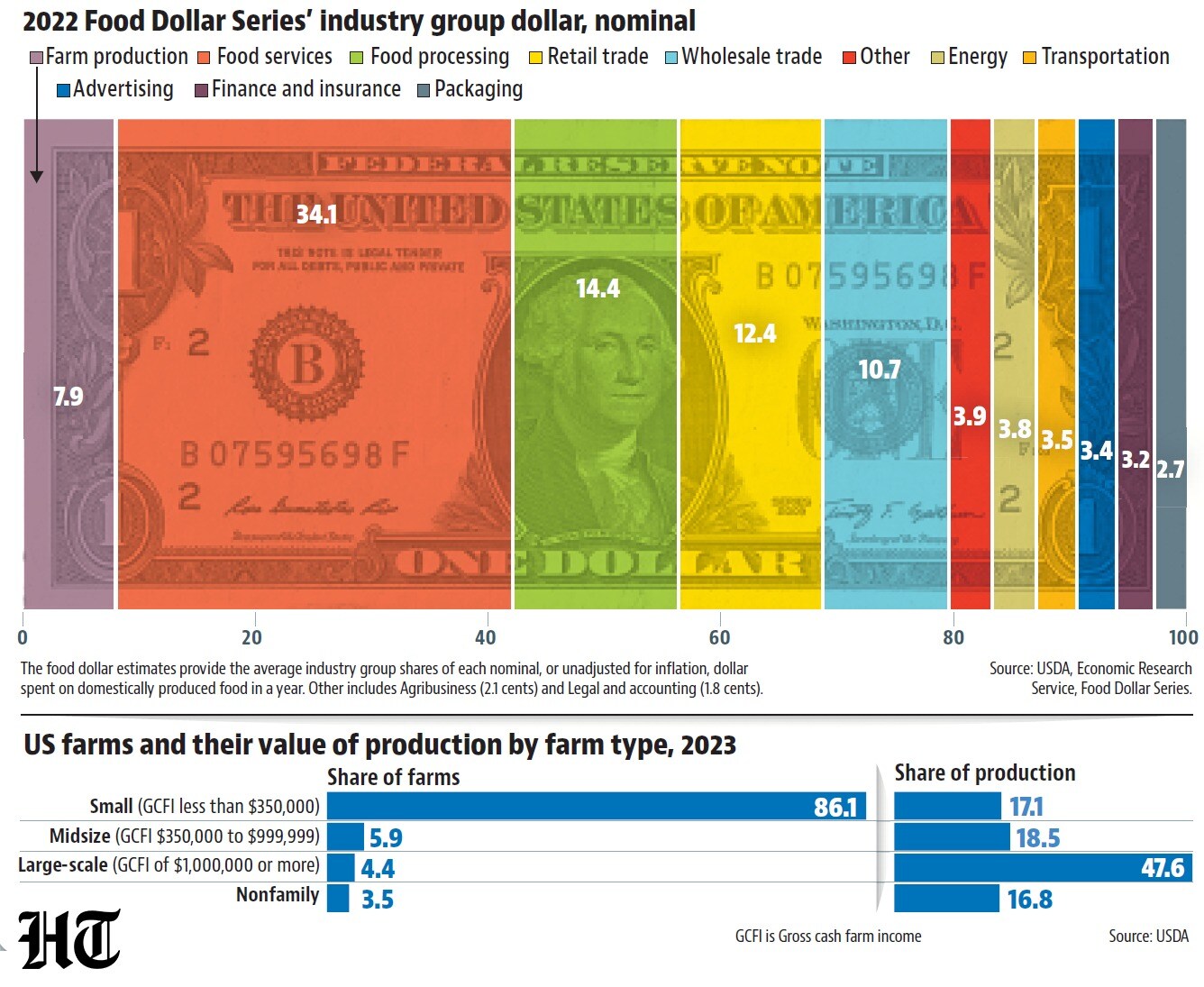
- US agriculture is less about farmers and more about businessesThis is the most important fact to keep in mind while dealing with any US demands to open up the agricultural sector in other countries. The American agricultural, especially food economy, is less about farmers and more about various kinds of businesses. Data published by the US Department of Agriculture (USDA) shows that farm production had a share of only 7.9% in the average food dollar – it estimates the average industry group shares of each nominal, or unadjusted for inflation, dollar spent on domestically produced food in a year – while food processing alone had a share of 14.4%. The US demanding market access for its agricultural goods isn’t a demand for raising farm incomes; it is a demand to increase the earnings of its larger agro-industrial complex. In fact, farming itself has undergone a process of huge concentration in the US with the number of farms falling from more than six million in the 1930s to just above 2 million by the 1970s and the average farm size increasing from 150 acres to almost 460 acres during this period. The average size of a farm in India is less than 3 acres. Even within these large farms, larger ones account for most of the production. USDA data shows that less than nine percent of US farms (in the gross cash farm income category of $1,000,000 or more and non-falmily farms) had a share of almost two-third in total value of production. Clearly, there is no match between US agribusiness and farmers and the ones in India (more on this later).
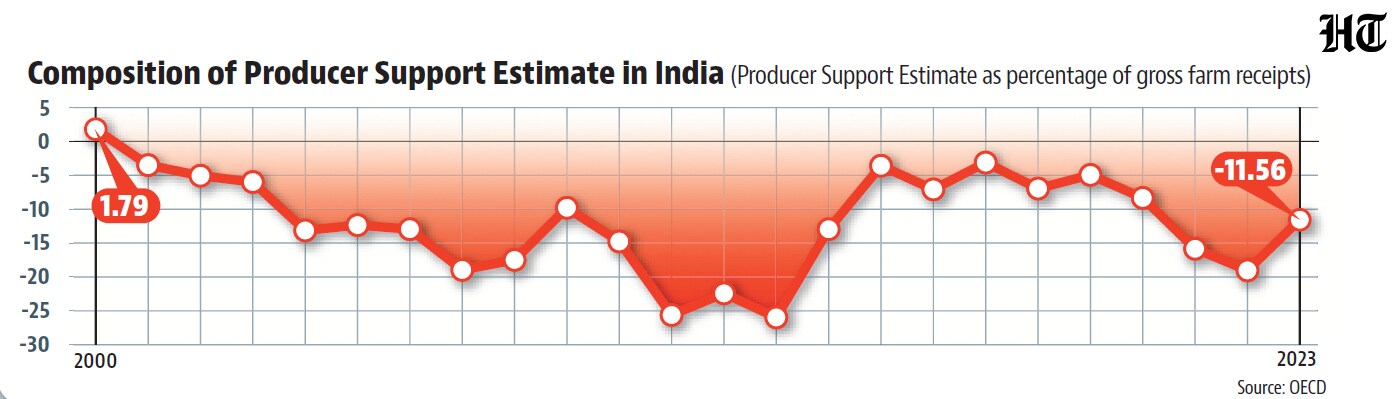
- India, unlike the US, has negative support for its farmersWhile Trump has been citing Indian tariffs and non-trade barriers in farming to find fault with India giving unfair support to its farmers, the reality is diametrically opposite. Organisation for Economic Cooperation and Development’s (OECD) 2024 Agricultural Policy Monitoring and Evaluation report says the following about farm support in India. “Net support to producers in India has been negative throughout the last two decades but fluctuates markedly. Domestic producers have been implicitly taxed on average, as budgetary payments to farmers did not offset the price-depressing effect of complex domestic marketing regulations and trade policy measures. Virtually all gross producer transfers (whether positive or negative) come in potentially most production – and trade-distorting forms – a consistent pattern since the early 2000s”. Anybody who has followed the government’s intermittent bans on agricultural exports out of domestic inflation concerns in India would immediately relate to this observation. While more dogmatic liberalisation voices have always opposed these trade controls, they are oblivious to the large challenge of keeping food prices in check in an economy where food spending accounts for more than 50% of household spending for the majority of households and food insecurity is widespread. Any large-scale liberalisation of agricultural trade would make the pursuit of such counter cyclical policy more difficult, something India has always fought for in the World Trade Organisation. In fact, Trump should have read USDA reports (https://tinyurl.com/4j292bp7) on India which have flagged the fact that India still accounts for the largest number of food insecure people in the world. The current tariffs might or might not change, but Trump’s insistence on India opening up its resource poor farm sector to America or facing one of the highest tariffs is unbecoming of a strategic ally.