E-Paper



In Assam, AIUDF benefitted from BJP’s polarised poll campaign; improved its tally
The party, headed by Lok Sabha MP Badruddin Ajmal, won 16 seats, three more than its figure in 2016. Having contested just 20 seats of the total 126 in the state, AIUDF’s strike rate was an impressive 80%

 Prefer HTon Google


The Congress-led 10-party ‘mahajot’ (grand alliance) may have failed to overthrow the Bharatiya Janata Party (BJP) government in Assam with most alliance partners faring poorly, but the All India United Democratic Front (AIUDF) did reasonably well.
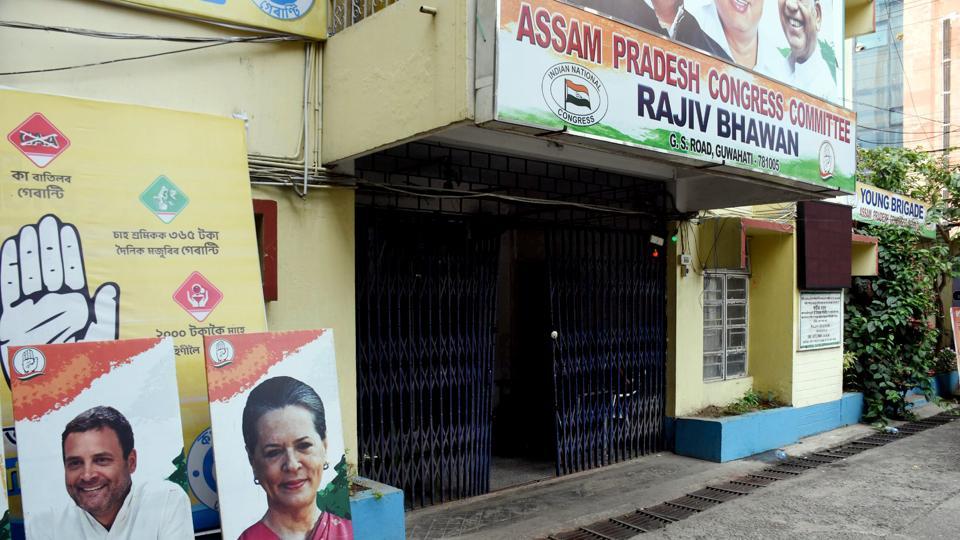
The party, headed by Lok Sabha MP Badruddin Ajmal, won 16 seats, three more than its figure in 2016. Having contested just 20 seats of the total 126 in the state, AIUDF’s strike rate was an impressive 80%.
Despite BJP poll campaign targeting Ajmal and AIUDF, which has a sizeable support base among Bengali Muslim voters, and polarised voters, the party was able to stand its ground and deliver. Most of its candidates won their seats comfortably with Rafiqul Islam winning the Jania seat by a record margin of 144,775 votes.
Unlike AIUDF, Congress won just 29 of the 95 seats it contested. Another important constituent of the ‘mahajot’, Bodoland Peoples Front (BPF), won 4 of its 12 seats and CPI (M) won just one, taking the alliance’s tally to 50 seats.
On the other hand, the BJP won 60 seats, the same as it did five years ago, and its alliance partners Asom Gana Parishad (AGP) and United Peoples Party Liberal (UPPL) won 9 and 6 respectively.
“To hide the failures of their government, the BJP targeted AIUDF and Ajmal and it polarised voters. When polarisation takes place on one side, it happens on the other side as well,” said AIUDF organising secretary Md Aminul Islam.
Also Read | Spotlight is on future roles for Sarbananda Sonowal, Himanta Biswa Sarma
In 2016, AIUDF, which was not part of any alliance, had contested from 73 seats and got 13% of the total votes. In this election, that share dropped to 9.3% as the party fought from only 20 seats.
“Though we won more seats this time, the polarisation that took place isn’t good for Assam. The BJP’s campaign polarised our voters as well and this could lead to social disharmony in future, which we don’t need,” said Islam.
“We had won 18 seats in the past even without having an alliance with anyone. So there was no particular benefit by joining the ‘mahajot’. We had come together to overthrow the BJP, but that didn’t happen,” he added.
Islam said differences among Congress leaders and the party’s failure to highlight the incompetency of the BJP government effectively among voters could have hurt the grand alliance.
“Congress was responsible for providing oxygen to AIUDF. The party’s alliance with it helped Ajmal’s party consolidate the Muslim votes, a large section of which would have otherwise gone to Congress. A communal force like AIUDF doing well in the election isn’t good for Assam,” said BJP spokesperson Rupam Goswami.
While some sections have blamed Congress’s tie-up with AIUDF for the party’s poor show, its state president Ripun Bora said it was not the main factor. “We will review the results of the polls later. Our alliance with AIUDF didn’t affect the outcome, there were several other parties as well in the alliance,” Bora said on Sunday. The Congress state president himself lost from the Gohpur seat and later tendered his resignation to party president Sonia Gandhi.
“Though BJP and AIUDF are ideologically poles apart, they are conjoined in some ways. The polarisation, which we saw in this election, will be witnessed in future as well,” said Kaustubh Deka, columnist and professor of political science at Dibrugarh Univeristy.
“Congress had, in the past, distanced itself from AIUDF, terming it a communal party. So when they tied up with Ajmal’s party this time, it sent confusing signals to voters and it resulted in the party’s poor show especially in upper Assam where AIUDF doesn’t have any significant presence,” he added.