
 E-Paper



Explained: What is Model Code of Conduct? 10 rules you must know
Assembly Election 2022: As soon as the election commission announces the dates for the election, the model code of conduct kicks in.


The Election Commission of India announced the date for Himachal Pradesh Assembly elections 2022. The polling in the hill state will be held in a single phase on November 12 and the counting of vote will take place on December 8.
With the announcement of poll dates, the model code of conduct has kicked in, meaning the leaders, political parties and everyone else associated with the electoral process is bound by this code.
Assembly Elections 2022: Full coverage
So what is this model code of conduct which is mentioned during elections in the country? In simple words, it is a set of rules prescribed by the election commission to ensure free and fair electoral process. Any violation of this poll code attracts strict punishment by the election body which oversees the polling process in one of the world's largest democracies.
ALSO READ: Spotted poll code violation? Here's how to report it
The Model Code of Conduct has a long list of rules laid down in the ECI website to be followed by everyone. Here are ten important norms to give you a clear understanding of how the poll panel ensures a smooth and fair electorate process.
1. No party or a candidate shall carry out any activity which may aggravate existing differences or create mutual hatred or cause tension between different castes and communities, religious or linguistic.
2. The political parties and their candidates should confine their criticism of rivals to the politicies, programmes, past record and work. No candidate or political party is allowed to make personal remarks or any other statement not connected with the public activities of the leaders or workers.
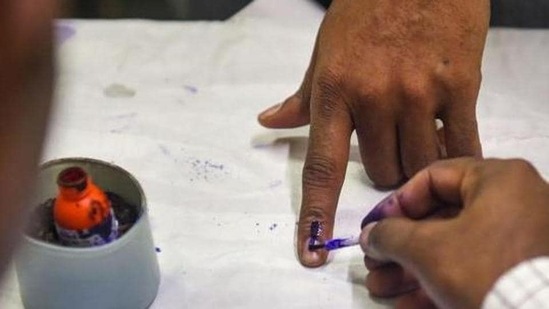
3. The political parties and candidates or other leaders have been strictly prohibited from seeking votes on caste or communal lines. The religious places of worship should not be used as a forum for election propaganda.
4. The Election Commission has made it clear that all parties and candidates should avoid corrupt practices like bribing voters, intimidation of voters, impersonation of voters, canvassing within 100 metres of polling stations, holding public meetings during the period of 48 hours ending with the hour fixed for the close of polls etc.
4. The poll panel prohibits demonstrations or picketing before the houses of individuals by way of protesting against their opinions or activities. Besides this, no political party or candidate is allowed to let his or her followers to make use of any individual's land, building without permission for erecting flags, banners, notices and writing slogan
5. The political party or candidate must inform the local police authorities of the venue and time for any proposed meeting well in advance for security arrangements to be put in place. Proper permission should be sought for loudspeakers or any other facility as prescribed by the local authority.
6. While proper advance intimation should be given to local police authorities about an organised procession, the election commission's model code of conduct has laid down rules to be kept in mind during such campaigns. The organisers should take steps in advance to ensure there is no block or hindrance to traffic. The political parties or the candidates must exercise control to the maximum extent. Carrying articles which could be misused or carrying effigies of opposition parties and leaders are not allowed
7. On the day of polling, all political parties and candidates should cooperate with officers on election duty to ensure peaceful and orderly polling. They should refrain from serving or distributing liquor on polling day and during 48 hours before it.
8. Except the voters, no one without a valid pass from the ECI is allowed to enter the polling booths.
9. The ruling party at the Centre or states should ensure that it does not engage in practices to indicate using official position for the purposes of election campaign. The ministers should not combine their official visit with election campaigns and must not use official machinery or personnel for campaigning.
10. The public places like the grounds, helipads in connection with elections should not be monopolised by the ruling party. Other parties and candidates should be allowed the use of such places and facilities on the same conditions and terms which they are used by the ruling party.


