
 E-Paper





Is Chantal Akerman the maker of the greatest film ever made? No reasonable artist would want the burden of such a designation, and Akerman never had to bear it in life. The Belgian director and actress died in 2015, seven years before the voters in the Sight & Sound poll of the all-time best films made her 1975 film, “Jeanne Dielman, 23 Quai du Commerce, 1080 Bruxelles,” the surprise top pick.
Chantal Akerman: The Long View’: At MoMA, a Filmmaker in Full
The museum highlights the director of Sight & Sound’s best movie of all time
Updated on: Sep 11, 2025, 16:14:36 IST

WSJ

 Prefer HTon Google
Share via
Copy link
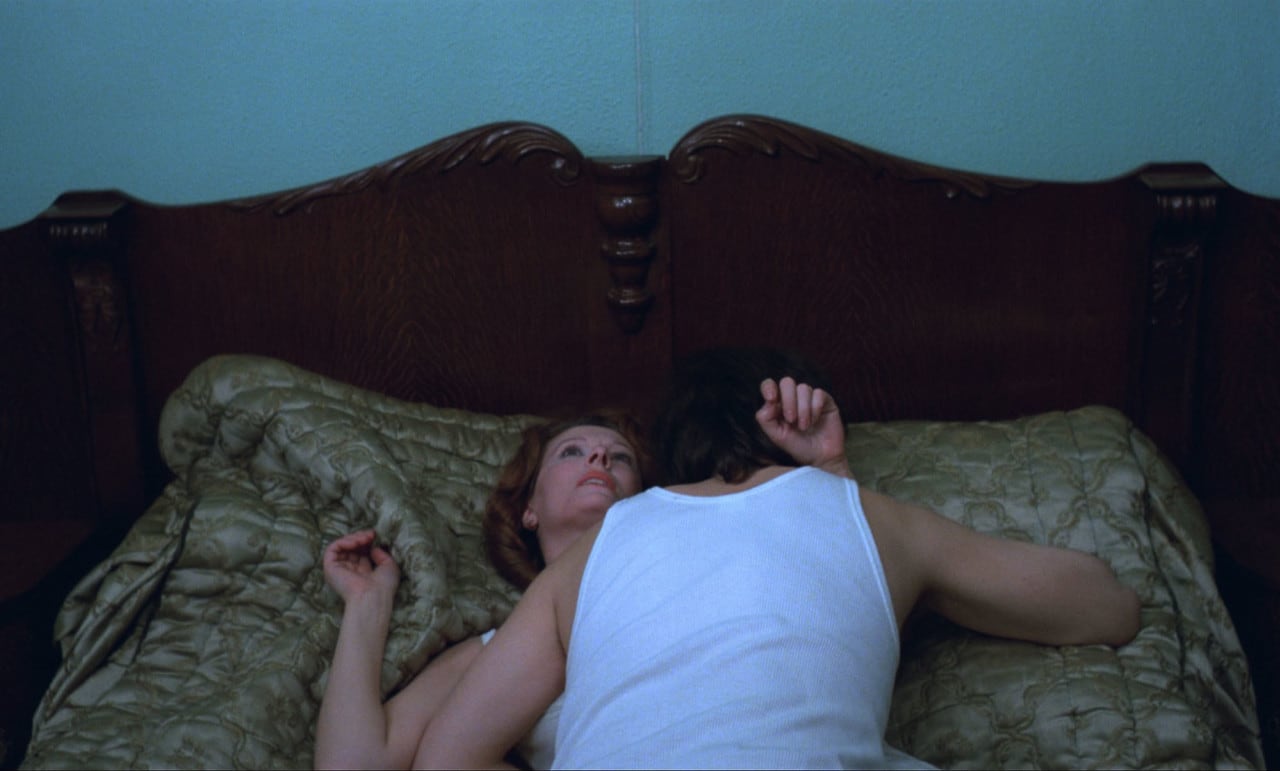
“Jeanne Dielman” was a startling selection not only because of the canonical masterpieces it displaced—the poll’s previous top vote-getters included “Vertigo” and “Citizen Kane”—but because of its inherent qualities. Delphine Seyrig stars as an ennui-plagued homemaker whose largely unremarkable privations and indignities are so faithfully communicated by Akerman that the film risks inducing a similar state of mind in its audience. For many, its ungovernable length (201 minutes) and taxing slowness render it a study in empathetic attentiveness to the title character’s daily regimen of domestic work. But for others, myself included, it comes across as an exercise in unyielding tedium.
This month, the Museum of Modern Art will offer audiences a chance to test their reaction to “Jeanne Dielman” against the rest of Akerman’s exceptionally prolific career. “Chantal Akerman: The Long View,” which runs from Sept. 11 through Oct. 16, gathers over 40 features and shorts made by the director. “Jeanne Dielman” is certainly not an aberration for Akerman, who frequently sounded feminist themes and preferred a high-toned, glacial style. But even those skeptical of the claims made on its behalf may find themselves fascinated and sometimes bewitched by the films that surround it. I was.
Given the longueurs of “Jeanne Dielman,” one of the delights of the series is the excavation of Akerman’s short films, which compress her avant-garde instincts into easily digestible bites. For example, the vigorous but finally despairing “Saute ma ville” (1968) stars Akerman as a young woman who, upon entering her pocket-size apartment, eagerly embarks on chores—hastily boiling pasta, haphazardly mopping the floor—even as she plots her own suicide. With its kinetic camerawork and energetic acting, with Akerman’s character vigorously humming as she sets into motion her death, the film’s bleakness sneaks up on us (and acquires resonance because Akerman took her own life). Equally fine is “L’Enfant aimé, ou je joue à être une femme mariée” (1971), in which Akerman attends to the seemingly bucolic, or at least benign, life of a young mother (Claire Wauthion), whose existence is shown to be anxiety-riddled and constrained. In these shorts, Akerman made many of the same points explored in “Jeanne Dielman” with greater swiftness and sharpness.
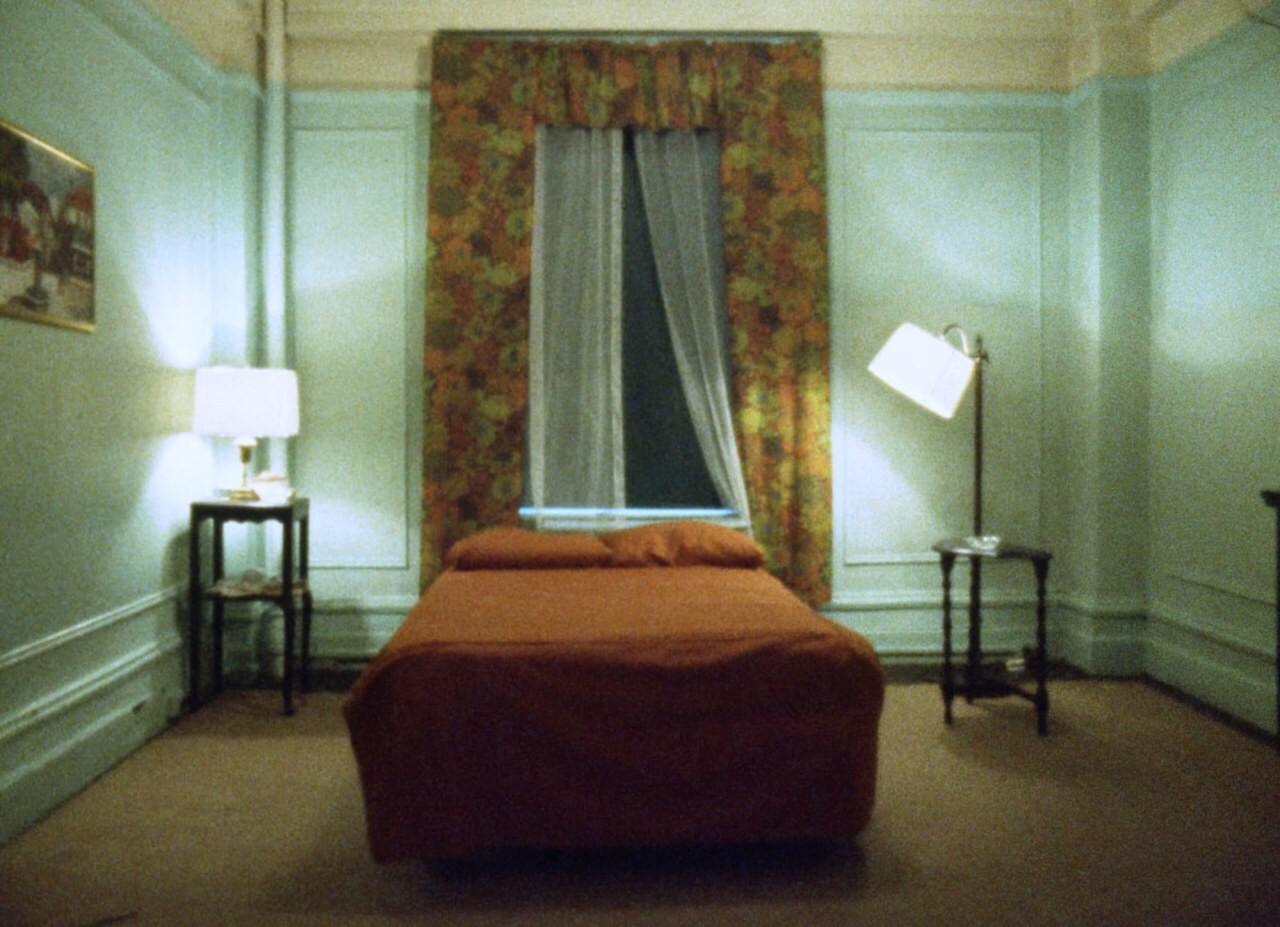
More indicative of Akerman’s style is “La Chambre” (1972), which uses its 10-minute length to size up the furnishings, objects and lone inhabitant (Akerman again) of a New York apartment. The short is at once slowed-down and sped-up: Because the camera ceaselessly (and repeatedly) considers the environment in a panning shot, the audience comes to know well its mood, light and textures, but individual features—an askew calendar, a shabby door—are viewed fleetingly. Also from 1972 is “Hotel Monterey,” an hourlong ancillary to “La Chambre”; the two films will be presented on the same program at MoMA. This time, Akerman offers immaculate angles of the rooms, halls, doorways and elevators of an exceptionally tatty hotel, but how many such spaces can an audience view before growing restive? The exhilaration we feel upon Akerman having worked her way to the hotel’s roof is an expression of relief at having escaped the building’s murky innards and at having neared the end of what has become a punishing experiment—one conducted in silence, adding to the barriers between film and watcher.
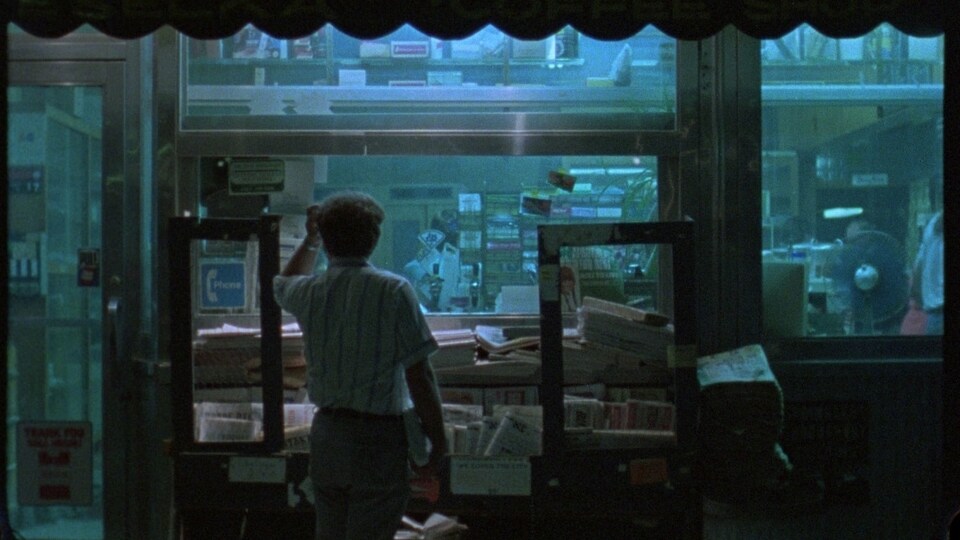
Considerably more engaging is “News From Home” (1976), which runs nearly an hour-and-a-half but in which Akerman asks us to inhabit far more varied terrain than “La Chambre” and “Hotel Monterey”—the crumbling, gone-to-seed but peculiarly beautiful New York of the era—and enlivens the visual stasis with off-screen readings by the filmmaker of correspondence from her mother, a Holocaust survivor sweetly entreating her grown daughter to stay in better touch. With Akerman playing with more colors and aiming for a clearer emotional effect, the film invites the viewer to become immersed in city life and transported by the letters of the title, which compete for attention on the soundtrack with the blast of subways, elevated trains and traffic. In the end, though, all of Akerman’s films in this vein illustrate the limits of plotless, environmental cinema. Happily, she did not commit herself to this form exclusively.
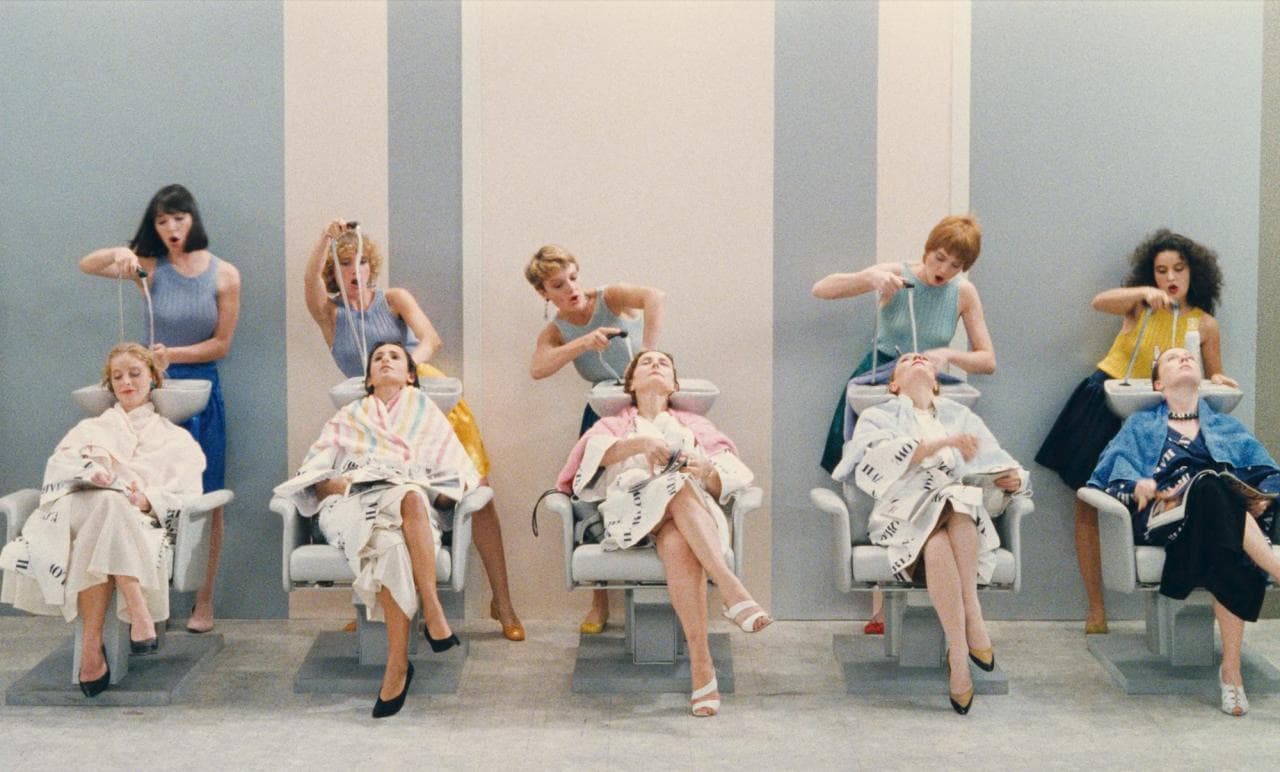
After the success of “Jeanne Dielman,” Akerman became one of the mainstays of international cinema and applied herself to a range of genres. Among her very best works is “Golden Eighties” (1986), a vivacious romantic comedy-drama with musical numbers whose brightness derives both from its glossy location—a shopping complex bursting with beautiful people and things—and its debt to the Hollywood-inspired musicals of French master Jacques Demy. The sometimes-stifling, didactic quality of Akerman’s films is also nowhere in evidence in “A Couch in New York” (1996), a zestful, psychiatry-themed romantic comedy with major stars, William Hurt and Juliette Binoche, or “La Captive” (2000), an intriguing, largely successful attempt to situate Proust in a modern context, starring Stanislas Merhar and Sylvie Testud. Above all, this series demonstrates the diversity of Akerman’s career, which came to encompass the documentaries “Sud” (1999), about the murder of a black man, James Byrd Jr., in Texas in 1998, and “No Home Movie” (2015), about her mother, who had hovered so memorably over “News From Home.”
It does not require passing judgment on the elevated status of “Jeanne Dielman” to appreciate Akerman for her lifelong inventiveness and ambition.
Mr. Tonguette is a contributing writer at the Washington Examiner and a contributing editor of The American Conservative.

Get the latest Entertainment News from Bollywood, Hollywood, television, music and web series. Follow celebrity updates, movie reviews, trailers and box office collections on Hindustan Times.


