E-Paper



Tony Kiritsis: 5 things to know about the real hostage crisis behind Dead Man’s Wire as it arrives on Netflix
Tony Kiritsis' 1977 hostage crisis returns to spotlight in Dead Man’s Wire film, directed by Gus Van Sant and starring Bill Skarsgard.

 Prefer HTon Google


Nearly five decades after one of America’s most shocking hostage crises, the story of Anthony “Tony” Kiritsis is once again drawing attention through Dead Man's Wire. Directed by Gus Van Sant and starring Bill Skarsgård and Al Pacino. The crime thriller revisits the real-life 1977 Indianapolis standoff that lasted for more than 60 hours.
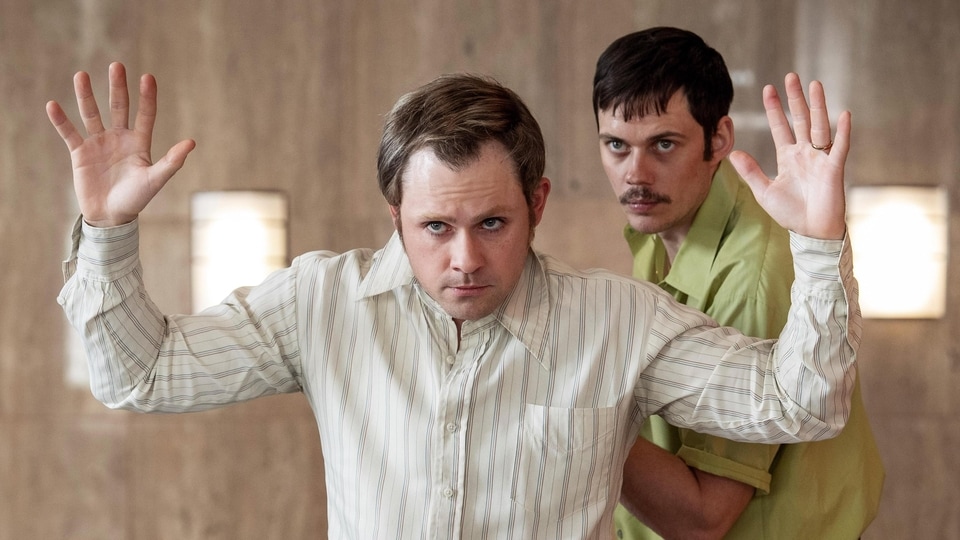
The film follows the events involving Anthony “Tony” Kiritsis, a frustrated real estate developer who kidnapped mortgage executive Richard Hall using a shotgun mechanism later referred to as a “dead man’s wire.”
Here are five things to know about the true story behind the infamous case.
1. Tony Kiritsis believed he was financially ruined
Kiritsis was a real estate developer from Indianapolis who had borrowed money from Meridian Mortgage Company to build a shopping center. However, the project collapsed, and he became convinced that mortgage executives were deliberately sabotaging his business plans and attempting to seize control of his property.
According to reports, Kiritsis believed the Hall family had discouraged investors and tenants from supporting the development, pushing him toward financial ruin.
2. The hostage setup involved a terrifying shotgun mechanism
On February 8, 1977, Kiritsis entered the offices of Meridian Mortgage Company intending to confront company president M.L. Hall. When Hall was unavailable, Kiritsis instead took his son, Richard Hall, hostage.
He wired a shotgun to the back of Hall’s head using a cable attached to the trigger. Authorities later said the mechanism was designed so that any sudden movement, including police intervention, could fire the weapon. The setup later became associated with the phrase “dead man’s wire,” inspiring the film’s title.
Also Read: Movie Review: A real-life '70s hostage drama crackles in Gus Van Sant's 'Dead Man's Wire'
3. The standoff lasted nearly 63 hours
After taking Hall hostage, Kiritsis brought him to an apartment complex in Indianapolis, where a tense standoff unfolded over nearly three days. Authorities also discovered explosives allegedly placed throughout parts of the building, escalating fears about the situation.
The incident became national news, drawing television crews and journalists to Indianapolis. During negotiations, Kiritsis frequently communicated with local radio broadcaster Fred Heckman and publicly aired grievances against the mortgage company.
4. The crisis sparked debate over live media coverage
The case became one of the most heavily televised hostage crises of the 1970s. At one stage, Kiritsis even appeared before live television cameras while still holding Hall captive, raising fears that the situation could turn deadly on air.
The extensive coverage later prompted debates among journalists and broadcasters about the ethics of televising active hostage situations and negotiations in real time.
Also Read: Legends Season 2 update: Will the Netflix show return? Everything we know so far
5. Kiritsis was found not guilty by reason of insanity
Although Kiritsis faced charges including kidnapping, armed robbery and extortion, he was ultimately found not guilty by reason of insanity. Psychiatrists reportedly concluded that he had been suffering from paranoid delusions during the standoff.
The case later influenced changes to Indiana’s insanity defense laws, sometimes informally referred to as the “Kiritsis Law.” Kiritsis spent more than a decade in psychiatric custody before being released in 1988. He died in 2005 at the age of 72.
Despite underperforming commercially during its theatrical release, Dead Man's Wire received strong critical acclaim, earning a 91% critics score on Rotten Tomatoes.
The film is now expected to reach a wider audience when it arrives on Netflix on May 28.
By Roshan Tony