
 E-Paper



Qala director Anvitaa Dutt and Tripti Dimri on Black Swan, Natalie Portman comparisons: 'In august company...'
Qala director Anvitaa Dutt and stars Tripti Dimri and Swastika Mukherjee talk about Black Swan comparisons and the film’s dreamy 1940s setting.

 Prefer HTon Google


As the teaser of Netflix’s upcoming psychological thriller Qala was released, apart from applauding the tone, colours, and the 1940s vibe, many fans also noted how the film gave strong Black Swan vibes. Both films are about artistes dealing with a mental breakdown caused by rivals, among other things. In an interview with Hindustan Times, the film’s director Anvitaa Dutt and stars Tripti Dimri and Swastika Mukherjee spoke about these comparisons and the film’s setting. Also read: Qala trailer: Tripti Dimri is a 1940s' singer jealous of rival Babil Khan's rise, fans get Black Swan vibes. Watch
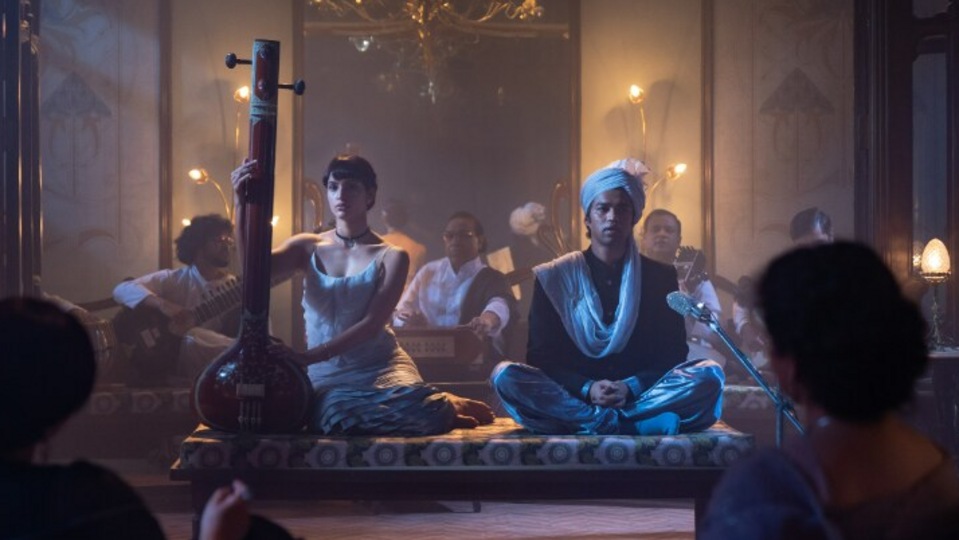
Qala is about the titular singer (Tripti), a superstar of pre-independence Bollywood, who craves for her mother Sushmita’s (Swastika) approval. She is rattled when a rival comes to take her place, a new singer whose presence makes her insecure. Irrfan’s son Babil makes his debut in this role. Anvitaa reveals that the idea for the film came to her after a chance encounter with composer-singer Vishal Dadlani. “I was thinking of writing a story on a mother-daughter relationship, which has such an impactful presence in your life. It so happened that I met Vishal Dadlani for a coffee and we talked about the music of old and singers of the magical time of 30s and 40s, when melody was queen. And somehow, the two thoughts merged into my story,” she says.
Neither Swastika nor Tripti is new to period dramas. In her first film Bulbbul, Tripti played a 19th century Bengali woman while Swastika was part of a film set in the 1940s--Sushant Singh Rajput-starrer Detective Byomkesh Bakshi. Talking about the allure of that time, Swastika shares, “I feel everything is beautiful in that time. As Anvitaa has also spoken about it earlier, people knew how to understand beauty and the aesthetics of the households. Everything looks like a piece of art. You get transported into that world and you feel it would have been amazing if we were born in that time. I think actors it’s a privilege for us that we can live and tell stories of people who have lived that life in that era.”
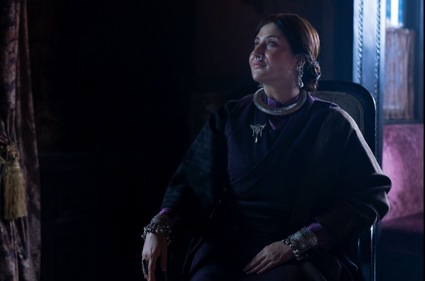
Tripti adds that she always dreamt of being an actor in the 1930s and 40s and is getting to live her fantasies in Qala. “Anvitaa is someone who introduced me to old Hindi cinema and my dad was always a fan of old black and white films, watching them every Sunday. As kids, we used to feel this is so boring. At that time, we didn’t understand the importance of those stories. Now, I do. For me, it’s the simplicity of those times that’s important because I think we have complicated everything today. The simpler it is, the more beautiful it looks and feels. Whenever I have seen old movies, I have always wished I was an actor then. I wish I could wear those clothes and make my hair that way and look pretty. Now, Anvitaa has done that for me,” she says.
The Black Swan comparisons have taken Anvitaa by surprise and she is quite happy about it. The flustered director says, “It came when I was in prep, not when I was writing. It’s also to do with that sequence you see in the trailer with the fans and the dancers and Qala standing in the middle. My production designer said it feels like a ballet and that led to people saying Black Swan. Yes, it is a psychological drama. I am in august company if my film’s name is being taken with something by (Darren) Aronofsky (the director of Black Swan). So thank you but that’s another league altogether.”
And Tripti is also revelling in the comparisons with Natalie Portman, who played a similar role in Black Swan. “You do feel good when your film is being compared to a film like Black Swan. Natalie Portman is so good. That particular sequence, I have to say, is a surprise and it’s going to blow everybody’s minds,” she says. Viewers will be able to test Tripti’s claim once Qala releases on Netflix on December 2.


