
 E-Paper



Made for ₹30 lakh, did 'Pushpa 2-like business': How first pan-India film broke bank decades before Baahubali, RRR, KGF
The first film that can be considered pan-India began production even before the independence of India and did ‘Pushpa-like business’ at the box office.

 Prefer HTon Google


The upcoming Mohanlal film L2: Empuraan is being touted as the first big-scale pan-India film from the Malayalam film industry. The term pan-India films came into being only a decade ago after the monumental success of Baahubali. Since then, the successes of RRR, KGF, and Pushpa have further boosted the trend. But neither was Baahubali the first pan-India film, nor was it even the most successful. Barely a year after India became independent, the first 'pan-India' film broke the bank like nothing before and nothing since. (Also read: Upendra says pan-India trend is killing remakes for good, explains why formula will never replace story)
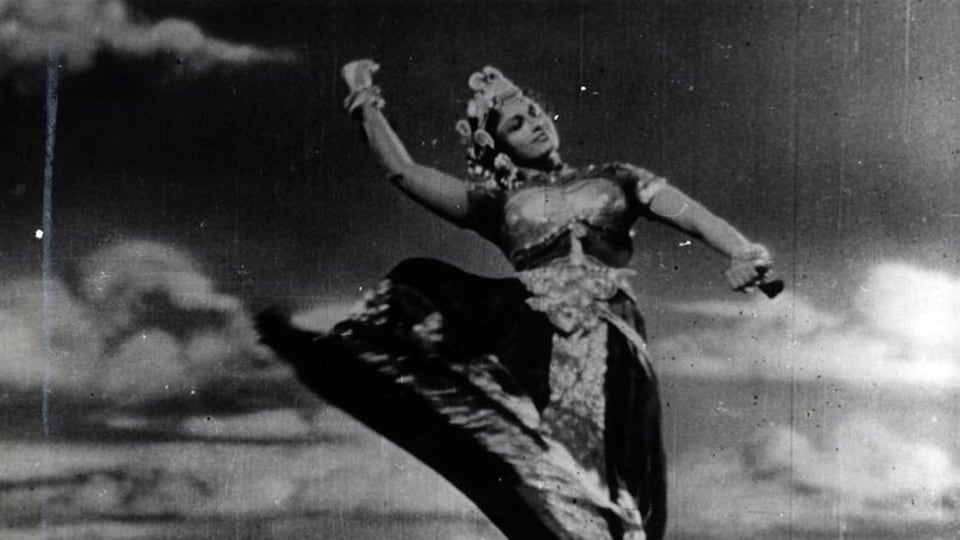
The first pan-India film
In 1943, Tarachand Barjatya was a film distributor. He had not yet established Rajshri Productions. Thinking of how to grow his business, he met SS Vasan of Gemini Pictures, one of the biggest filmmakers in Tamil cinema. Vasan was making an ambitious period drama named Chandralekha.
Barjatya convinced him to make the film in Hindi simultaneously. Sooraj Barjatya recently told Mid-Day, “They (Chandralekha makers) dubbed and even reshot some portions with actors to match the lip movement. When the dubbed version was ready to be released, Mr Vasan told my grandfather to meet him to ‘talk business’."
Eventually, Vasan gave Barjatya the all-India distribution rights to the film, allowing a Tamil film to get a nationwide release for the first time ever. Chandralekha was released in 1948 in two languages, and later dubbed into more, making it a truly pan-India phenomenon.
The sensation that was Chandralekha
“Chandralekha was the Baahubali of its times,” Sooraj Barjatya said about the film, adding, "It was as huge as a Pushpa today; that kind of business it did.” Indeed, Chandralekha broke all collection records upon its release. The film was made on a ₹30 lakh budget, making it the most expensive Tamil film of its time.
Curiously enough, while the film did well in Tamil, it wasn't enough to recover the costs. The Hindi business was a whole other thing. Chandralekha grossed ₹1.55 crore, beating Kismet to become the highest-grossing Indian film. The record was broken the following year by Barsaat. But for decades, Chandralekha remained the only south film to hold the crown (till Baahubali 2 broke the bank in 2017).
Chandralekha's legacy
Directed by Vasan, Chandralekha starred TR Rajakumari, MK Radha, and Ranjan. Based on a chapter of George W. M. Reynolds' novel, Robert Macaire: or, The French bandit in England, the film follows two brothers (Veerasimhan and Sasankan) who fight over ruling their father's kingdom and marrying a village dancer, Chandralekha. The film's success turned Vasan into the most sought-after director in the country.
The north market opened up for Tamil films too, allowing future stars to make inroads in the Hindi belt. Many sequences from the film were recreated in period dramas in later years. It also popularised the concept of ensemble cast and grand sets, concepts that even classics like Mughal-e-Azam borrowed.


Get more updates from Bollywood, Taylor Swift, Hollywood, Music and Web Series along with Latest Entertainment News at Hindustan Times.


