
 E-Paper



How to build a sparkling Regency-era romance
As Bridgerton continues to make waves on Netflix, a look at the froths and frills that go into shows set in this period.

 Prefer HTon Google


The novels of the Regency era, typically set between 1811 and 1820, tell of a bold and brazen British society. Jane Austen, writing in and after this period, defined the genre, but not its extremes. Those would be set by writers such as Georgette Heyer (writing between the 1930s and ’70s) and, much later, Julia Quinn, who wrote the Bridgerton books between 2000 and 2013.
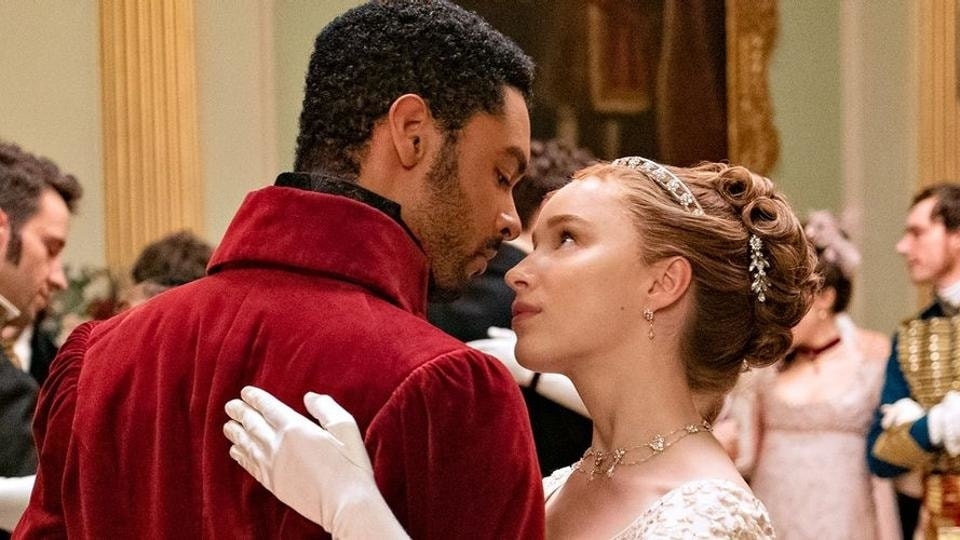
These are tales full of blighted love, simmering passions and opulent costumes almost tailor-made for the screen. There have been numerous delectable adaptations of Austen novels such as Pride and Prejudice, Sense and Sensibility and Emma. Bridgerton has been turned into a Netflix series that has been at #1 on that platform since its release on December 25. Season 1 is about the stop-and-start romance between the impeccably dressed Duke of Hastings and the picturesque debutante Daphne Bridgerton. As with most Regency leading ladies, she is by turns impetuous, charming, socially ambitious, but always dutiful to family. He is handsome, withdrawn and misunderstood.
There’s a lusciously staged ballroom scene in almost every episode, scandals, duels at dawn and at least some sex or suggestions thereof. All of which are typical of the genre. Here then are seven elements no Regency tale can do without:
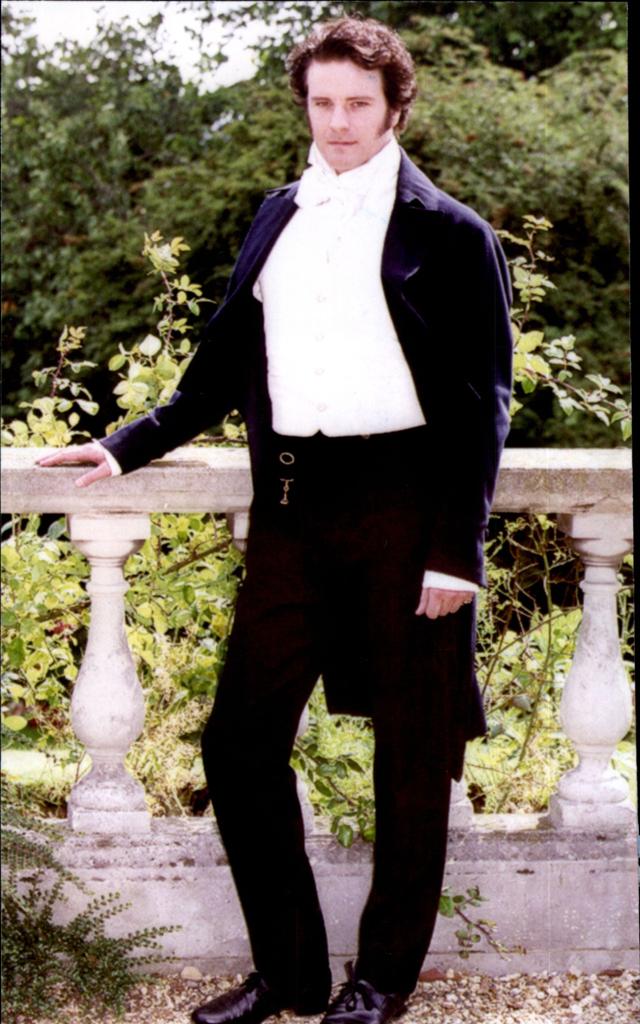
Buff and Byronic: A Regency period drama must have a sensual but aloof leading man that female viewers can burn for. Think Colin Firth as Mr Darcy, walking out of a lake in a wet white shirt, in BBC’s Pride and Prejudice (1995). High up in the racy Regency stakes is the scene with Rege-Jean Page as the Duke of Hastings in Bridgerton licking the spoon, that’s since become a meme. These men are typically brooding but smouldering, square-jawed, broad shouldered eligible bachelors who are fiercely honourable and entirely reluctant suitors.
Rake and ruin: For an unmarried woman to be caught in a compromising position with a man is the quickest route to ruin and the aristocratic woman’s greatest fear. And while the belle of the ball is often chaste, there’s always at least one rakish bad boy, a kind of Mr Wickham, and one headstrong or misled or head-over-heels-naive young thing about to be ruined by him. The aloof rogue is also the one making disdainful observations about the rest of society. Jeanna Ellsworth, author of the Regency romance Inspired by Grace (2015), describes this character as ‘A gentleman who can say ungentlemanly things like only a gentleman can.’
All laced up: The costumes and sets are second only to the lead characters, if that. The young women must promenade along water bodies that contrive to somehow always be sunlit, in high bustlines, low necklines, pastel shades slipped over satiny corsets, the men in fitted tailcoats, cravats and ample sideburns. At the balls, each one in a hall covered in silken drapery and flowers, the ladies swish dangling dance cards that match their gowns, in jewels that sparkle all the way down to the hem of each dress.
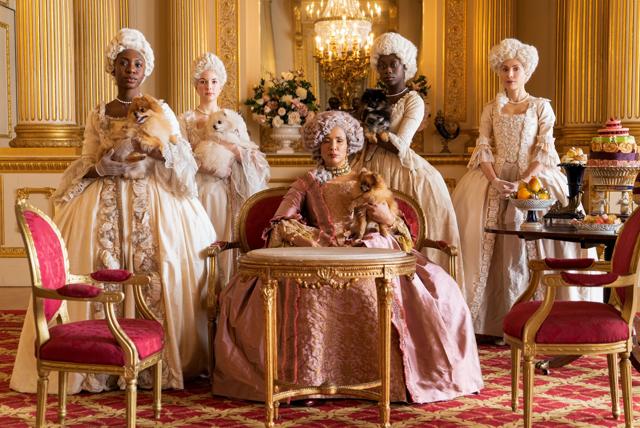
Shock and scandal: The engine that moves the plot forward in most Regency tales is scandal — a young woman led astray by a rake, fortunes squandered at the tables, an unwed mother-to-be, a gossip rag outing it all. The scandals are also where the real world gets in — the stage performer who will only ever be a mistress, the shantytowns where children born out of wedlock end up with their mothers, all cautionary tales, told from a safe distance, as the plot proceeds to its selectively happy ending.
Saddles and stir-ups: The heroine riding across a vast moor or field is a must, either in pursuit or in sport, often in flirtation. The hero and heroine must match each other in the saddle, if they are ever to ride into a blissful sunset, even if only in a horse-drawn carriage. Keeping a watchful eye on them will be the astute or acerbic matriarchs with the incisive one-liners to stir things up from the sidelines.
A happily ever after: All the matchmaking, misunderstandings, unrequited love, endless costume changes, dances and intense chemistry must amount to at least one happily ever after, preferably involving true love, to provide a visually sumptuous canvas for yet more pageantry.
What happens next we rarely see, except in Bridgerton, which breaks norms with its explicit sex scenes, its colour-blind casting, and promises a peek beyond the happy ending in Season 2. The books are a series of eight, incidentally, each telling of the love story of a different Bridgerton child.


