E-Paper



IMD to shut down 199 district agromet units pan-India, impacting millions of farmers
This is likely to cause loss of employment to around 400 scientists and scientific staff who were manning these units, while also deprive farmers of customised advisories or guidance provided by scientists at district level units

 Prefer HTon Google


The Centre has decided to discontinue the services of all 199 district agromet units that provide crucial and detailed weather-related advisories to millions of farmers at the block level, officials said on Thursday.
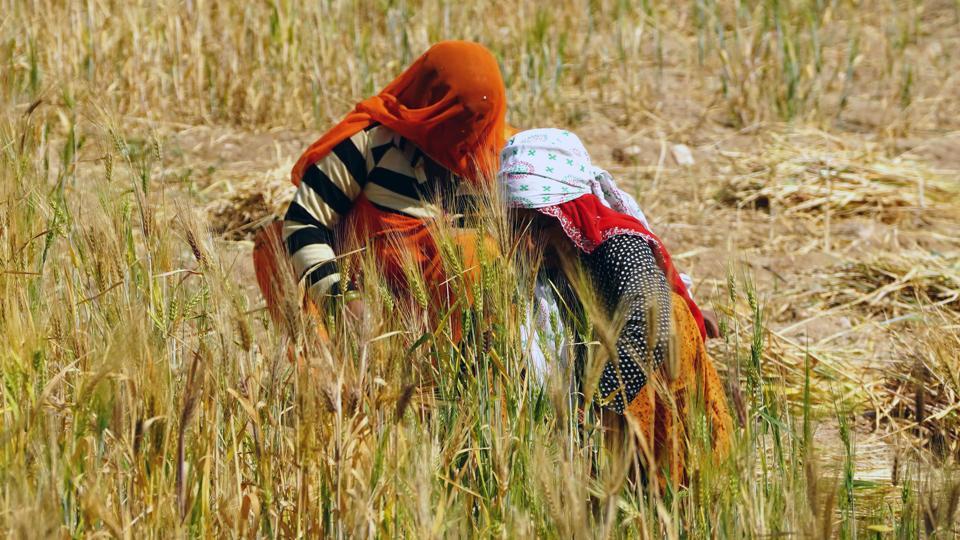
This is likely to cause loss of employment to around 400 scientists and scientific staff who were manning these units, while also deprive farmers of customised advisories or guidance provided by scientists at district level units.
“The government is of the view that there should be more focus on information and communication technology to issue advisories. They are of the view that the district level agromet units should be discontinued. So we have decided to close them,” said M Mohapatra, director general, IMD.
“At the moment, these units are not being replaced by other units. Around 400 persons employed at these units are highly qualified and can get jobs in other sectors also,” added Mohapatra.
Each of these units have an automatic weather monitor and they regularly measure soil moisture levels. “These units are very important. They had a clear advantage and benefit to farmers. Each of these units were manned by a scientist and an assistant. Often farmers are not able to interpret advisories. Farmers used to visit these units and get individual advise from scientific staff which was very helpful for them,” said M Rajeevan, former secretary, ministry of earth sciences.
The service is so critical that during Rajeevan’s tenure, they planned to expand the network to all districts in the country to help map soil moisture and localised weather conditions.
“For example, if there is a hailstorm or extremely heavy rainfall, the farmer is often anxious as to how to manage the situation. That was addressed by these units,” added Rajeevan.
The Union ministry of agriculture and farmers’ welfare last March said that the government is aware about the impact of climate change on agriculture and farmers’ lives.
“Extensive field and simulation studies were carried out in agriculture by the network centres located in different parts of the country. The climate change impact assessment was carried out using the crop simulation models by incorporating the projected climates of 2050 and 2080,” the statement had said.
In the absence of adoption of adaptation measures, rain-fed rice yields in India are projected to reduce by 20% in 2050 and 47% in 2080 scenarios, while irrigated rice yields are projected to reduce by 3.5% in 2050 and 5% in 2080 scenarios.
Climate change is projected to reduce wheat yield by 19.3% in 2050 and 40% in 2080 scenarios towards the end of the century with significant spatial and temporal variations. Adverse weather patterns are also projected to reduce the kharif maize yields by 18 and 23% in 2050 and 2080 scenarios, respectively. Climate change reduces crop yields and lower nutrition quality of produce. Extreme events like droughts affect the food and nutrient consumption, and its impact on farmers, it had added.