
 E-Paper



Decoding Slow Heart Rhythms: Dr Ranjan Shetty Explains the Impact of Bradycardia and Advances in Pacemaker Care
In Health Charcha Season 2, Dr. Ranjan Shetty highlights bradycardia's risks, particularly in the elderly.

 Prefer HTon Google


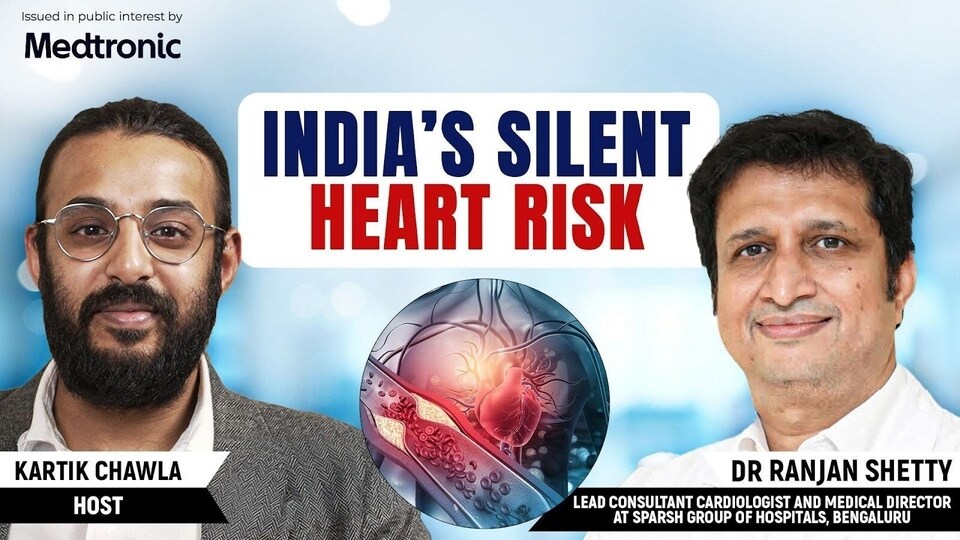
Heart health conversations often focus on high blood pressure and heart attacks, but a heart that beats too slowly can be equally concerning. In the latest episode of Health Charcha Season 2, host Karthik speaks with Dr. Ranjan Shetty, Lead Consultant Cardiologist and Medical Director at Sparsh Group of Hospitals, Bengaluru, to shed light on bradycardia a condition that is frequently under-recognised yet potentially serious.
Bradycardia is typically defined as a heart rate below 60 beats per minute. While this may be perfectly normal for athletes or physically fit individuals, it can signal a malfunction in the heart’s electrical system when accompanied by symptoms such as fatigue, dizziness, breathlessness, blackout episodes, or fainting. According to Dr. Shetty, the key is not just the number on a smartwatch, but the presence of symptoms and overall clinical context.
The Hidden Risks of Delayed Diagnosis
Dr. Shetty highlights that bradycardia becomes increasingly common with age as the heart’s electrical pathways undergo degenerative changes. When left untreated, severe cases can lead to sudden collapse, fall-related injuries, and significant disruption to quality of life. In elderly individuals, unexplained fainting episodes may sometimes be misattributed to weakness or ageing, delaying critical intervention.
Early evaluation by a cardiologist can help determine whether the condition is benign or requires treatment.
Evolving Treatment: From Traditional to Leadless Pacemakers
A major focus of the discussion is the evolution of pacemaker therapy. Traditional pacemakers involve leads (wires) connected to a device implanted under the skin near the collarbone. While effective, these systems can carry certain procedural and post-implant considerations.
Advancements in technology have introduced leadless pacemakers, miniature, self-contained devices implanted directly inside the heart through a minimally invasive catheter-based procedure. By eliminating leads and surgical pockets, leadless systems reduce visible scarring and may lower certain complications associated with traditional devices.
Dr. Shetty, who has extensive experience in advanced cardiac interventions, emphasises that appropriate patient selection and expert consultation are critical in deciding the right therapy.
Awareness is the First Step
The episode reinforces an important message: Bradycardia is manageable with timely diagnosis and modern treatment options. Recognising warning signs and seeking expert advice can prevent avoidable complications and restore confidence in everyday life.
As India’s population ages and access to advanced cardiac care expands, conversations like these play a vital role in empowering individuals to take charge of their heart health.
Health Charcha Season 2 is issued in the public interest by Medtronic
Note to readers: This article is part of HT’s paid consumer connect initiative and is independently created by the brand. HT is not responsible for the content’s accuracy or completeness. Readers should verify all information independently. This content is for informational purposes only. It neither constitutes, nor is a substitute for professional medical advice, diagnosis, or treatment. Always consult a qualified healthcare provider for guidance on your health concerns.


