
 E-Paper



EPILEPSY THAT DOES NOT RESPOND TO MEDICINES. WHEN SURGERY BECOMES THE BEST MEDICAL DECISION
Many families face the challenge of drug-resistant epilepsy, questioning the transition from medication to surgery.

 Prefer HTon Google


By Dr Ramakrishna Eswaran
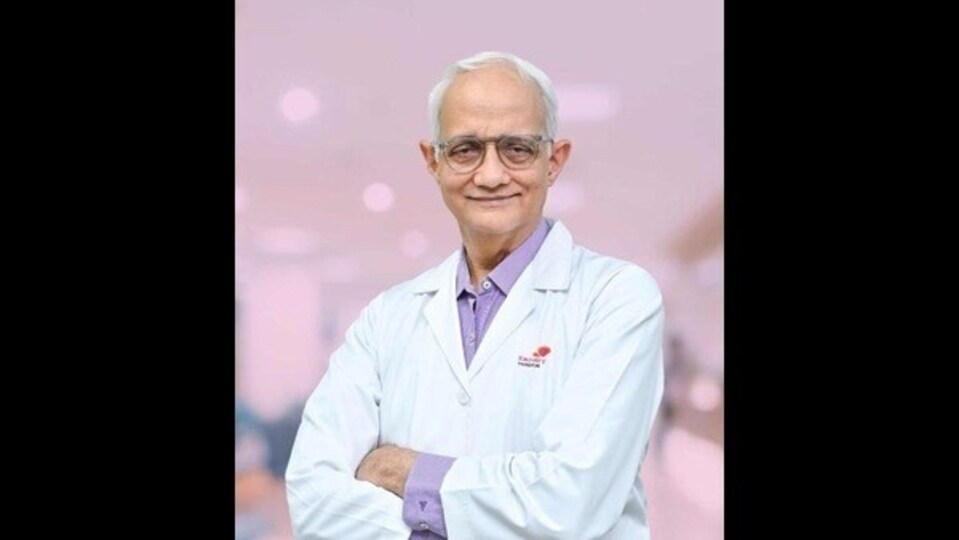
Director & Senior Consultant Neurosurgery
Kauvery Institute of Neurosciences
Kauvery Hospitals, Bengaluru
“How long should we continue medicines before we consider surgery?”
This is the question families ask after years of seizures, hospital visits, missed school days, and job instability. Parents ask this for children who cannot attend classes regularly. Spouses ask this when repeated seizures disrupt work and family life. Young adults ask this when they worry about marriage prospects or driving restrictions.
Epilepsy affects millions of people in India. Most patients achieve seizure control with anti-epileptic drugs. Yet a significant group does not. When seizures continue despite appropriate medication, the condition is called drug-resistant epilepsy.
Understanding drug-resistant epilepsy

Drug-resistant epilepsy has a clear medical definition. When two appropriately chosen and tolerated anti-seizure medicines fail to control seizures, either alone or in combination, doctors classify the condition as drug-resistant.
This definition matters. Many families try one drug for years without review. Others stop medicines early due to side effects. A structured evaluation is essential before labelling epilepsy as drug-resistant.
If you continue to have seizures despite correct treatment and adherence, your doctor should refer you to a comprehensive epilepsy centre for further assessment.
Seizure types and why classification matters

Not all seizures are the same. Treatment decisions depend on seizure type and origin in the brain.
Common seizure types include ;
- Focal seizures, which start in one part of the brain and may cause jerking of one limb, abnormal sensations, or altered awareness
- Generalised seizures, which involve both sides of the brain and may cause loss of consciousness and convulsions
- Some patients experience focal seizures that progress to bilateral convulsions. Others have brief episodes of staring or behavioural arrest.
Correct classification through detailed history and witness accounts is crucial. Video recordings from family members often help. Seizure type guides medication choice and surgical planning.
The diagnostic pathway. What EEG and MRI really tell you
Families often bring EEG and MRI reports with highlighted lines. A single report line does not decide surgery.
EEG records electrical activity in the brain. Repeated EEGs, including long-term video EEG monitoring, help identify where seizures begin. Interictal spikes or seizure onset patterns guide localisation.
MRI looks for structural causes such as hippocampal sclerosis, cortical dysplasia, tumours, or scars from prior infections or trauma. In many patients with drug-resistant epilepsy, MRI reveals a clear abnormality in the same region where EEG shows seizure onset.
Surgery requires correlation. If EEG and MRI both point to the same focus, confidence increases. If findings conflict, further testing such as high-resolution imaging or functional studies may be needed.
A comprehensive pre-surgical evaluation includes
- Detailed seizure history
- Neurological examination
- Video EEG monitoring
- High-resolution epilepsy protocol MRI
- Neuropsychological assessment
- In selected cases, functional imaging or invasive monitoring
This evaluation protects you. It reduces the risk of operating on the wrong area and increases the chance of seizure freedom.
When surgery becomes the best medical decision
Many families fear brain surgery more than ongoing seizures. Yet uncontrolled epilepsy carries risks. These include injuries during seizures, memory decline, social isolation, depression, and sudden unexpected death in epilepsy.
Epilepsy surgery aims to remove or disconnect the brain region where seizures begin, without affecting critical functions such as speech or movement.
Common types of epilepsy surgery include:
- Temporal lobe resection for mesial temporal sclerosis
- Lesionectomy for tumours or cortical dysplasia
- Focal cortical resection
- Disconnective procedures in selected paediatric cases
- Neuromodulation therapies, such as vagus nerve stimulation, for patients not suitable for resection
Success rates depend on seizure type and underlying cause. In well-selected temporal lobe epilepsy cases, seizure freedom rates after surgery often range between 60-80% in published data. Outcomes are lower in complex or multifocal epilepsy, but still meaningful in reducing seizure burden.
Surgery is not offered casually. A multidisciplinary epilepsy board reviews each case. Neurologists, neurosurgeons, neuropsychologists, and radiologists discuss risks and expected benefits.
Safety and realistic expectations
No surgery is risk-free. Risks include infection, bleeding, weakness, speech difficulty, memory changes, or visual field defects. Careful mapping and monitoring reduce these risks.
You should ask
- What is the expected chance of seizure freedom?
- What deficits are possible in my case?
- How long is the hospital stay?
- Will I continue medicines after surgery?
In many cases, patients continue medication for some time after surgery. Reduction occurs gradually under supervision.
Life outcomes matter as much as seizure counts
For many Indian families, the decision extends beyond medical control. Parents ask whether their child will attend school regularly. Young adults ask whether they can apply for a driving licence. Families ask about marriage prospects and social acceptance.
Uncontrolled seizures disrupt education and employment. Frequent seizures reduce independence. Many employers hesitate to hire individuals with active epilepsy.
Successful epilepsy surgery improves quality of life in measurable ways. Studies show better school attendance, improved employment rates, and reduced injury risk after seizure control. Driving eligibility depends on seizure-free periods defined by local regulations. Seizure freedom after surgery supports eligibility in many cases.
Stigma remains a challenge. Misconceptions about possession, mental illness, or hereditary risk persist in parts of society. Clear medical documentation and counselling help families address these concerns.
Post-surgical rehabilitation and psychosocial support
Epilepsy surgery does not end at discharge. Follow-up includes
- Gradual medication adjustment
- Neuropsychological reassessment
- Counselling for anxiety or depression
- Reintegration planning for school or work
Children may need academic support if seizures affected learning. Adults may require guidance on returning to employment safely.
At the Kauvery Institute of Neurosciences, Bengaluru, epilepsy care involves coordinated neurology and neurosurgery services. Pre-surgical evaluation follows defined protocols. Cases are discussed in multidisciplinary meetings. Post-operative monitoring occurs in a dedicated Neuro ICU when required. Rehabilitation and counselling support continue after discharge.
Choosing the right centre for epilepsy surgery in Bangalore
If you search for epilepsy surgery in Bangalore or seizure treatment options, focus on a comprehensive evaluation rather than speed. A reliable centre will not promise instant surgery. It will conduct structured testing, correlate EEG and MRI findings, and explain risks clearly.
Look for
- Experienced epilepsy neurologists
- Dedicated functional neurosurgeons
- Advanced EEG and imaging facilities
- Multidisciplinary case discussions
- Defined follow-up pathways
If your seizures persist despite two appropriate medications, do not wait for years without review. Early referral improves surgical candidacy and long-term outcomes.
If you or a family member faces drug-resistant epilepsy and you seek clarity about seizure treatment options or a second opinion from a Best Brain surgeon in Bangalore, then consider consulting Dr Ramakrishna Eswaran at Kauvery Hospitals, Bangalore, which is considered the Best Brain surgery hospital in Bangalore. A structured evaluation and honest discussion will help you decide whether surgery is the right medical step for your future.
Note to readers: This article is part of HT's paid consumer connect initiative and is independently created by the brand. HT assumes no editorial responsibility for the content, including its accuracy, completeness, or any errors or omissions. Readers are advised to verify all information independently.
Want to get your story featured as above? click here!


