
 E-Paper



Punjab assembly passes resolution condemning proposed India–US trade deal
CM Bhagwant Mann says pact could harm farmers and agriculture sector more than farm laws.

 Prefer HTon Google


The Punjab Legislative Assembly on Tuesday unanimously passed a resolution condemning the proposed trade agreement between India and the United States, with chief minister Bhagwant Mann warning that the pact could severely impact farmers and the agricultural economy.
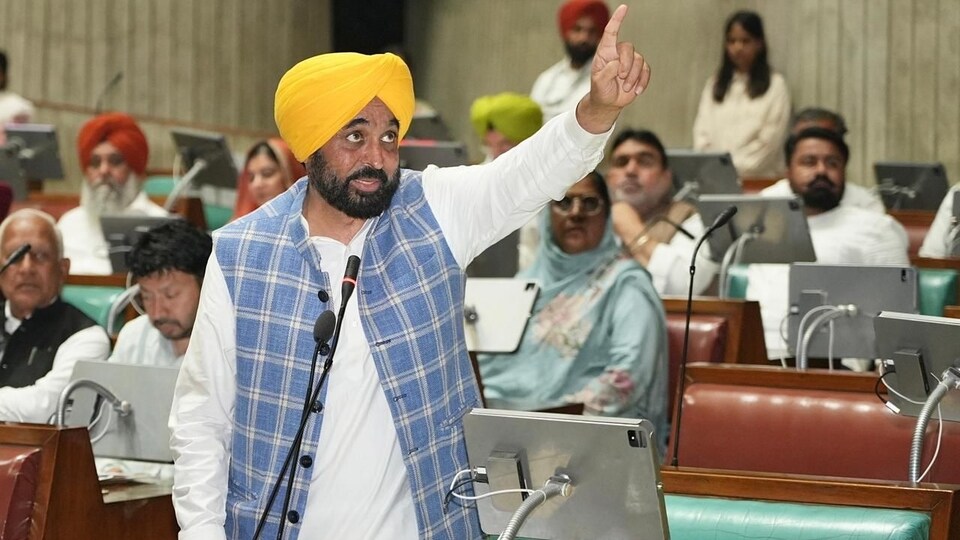
Speaking in the house while concluding a debate on the resolution moved by agriculture minister Gurmeet Singh Khudian, Mann said opening India’s agricultural markets to heavily subsidised American products could leave farmers struggling to compete.
“The proposed agreement could prove even more dangerous than the three farm laws that triggered the farmers’ agitation,” Mann said, referring to the laws passed by the Union government in 2020 that were later repealed following widespread protests.
He said the agricultural sector should be kept outside the scope of the agreement and alleged that state governments had not been consulted during the negotiations. “No state government has been informed or consulted about the proposed India–US agreement so far,” the chief minister said.
Mann argued that large-scale agricultural production and higher subsidies in the United States allow American farmers to export crops at lower prices, which could create unfair competition for Indian farmers, particularly those with smaller landholdings.
“In the United States, the average farm size is around 500 acres and subsidies are significantly higher. Farmers in Punjab typically cultivate two to two-and-a-half acres, making competition extremely difficult,” he said.
The chief minister said cheaper imports of products such as soybean oil and feed substitutes like distillers dried grains with solubles (DDGS) could lower prices of domestic crops such as maize and soybean. He warned that such developments could affect crop diversification efforts in Punjab.
Mann also expressed concern that cotton imports could negatively affect farmers in the Malwa region of the state, where cotton is grown on large tracts of land. The chief minister said easing certain non-tariff barriers could also increase the risk of genetically modified material entering India and lead to the spread of pests and invasive weeds.
He also raised concerns about possible intellectual property provisions related to seeds, saying they could restrict farmers’ traditional practice of saving seeds for future crops. “If seeds are protected by patents, farmers may have to buy them every season from multinational companies,” he said.
Mann also accused the Union government of withholding funds meant for Punjab under various schemes, including the Rural Development Fund (RDF), goods and services tax (GST) compensation and the National Health Mission (NHM).
He urged farmers’ organisations, agricultural experts and civil society groups to raise their voices against the proposed agreement, saying it could affect the long-term sustainability of Indian agriculture. The resolution condemning the trade agreement was passed unanimously by the assembly.


