
 E-Paper



Rethinking What Makes a Home Valuable in Modern Cities
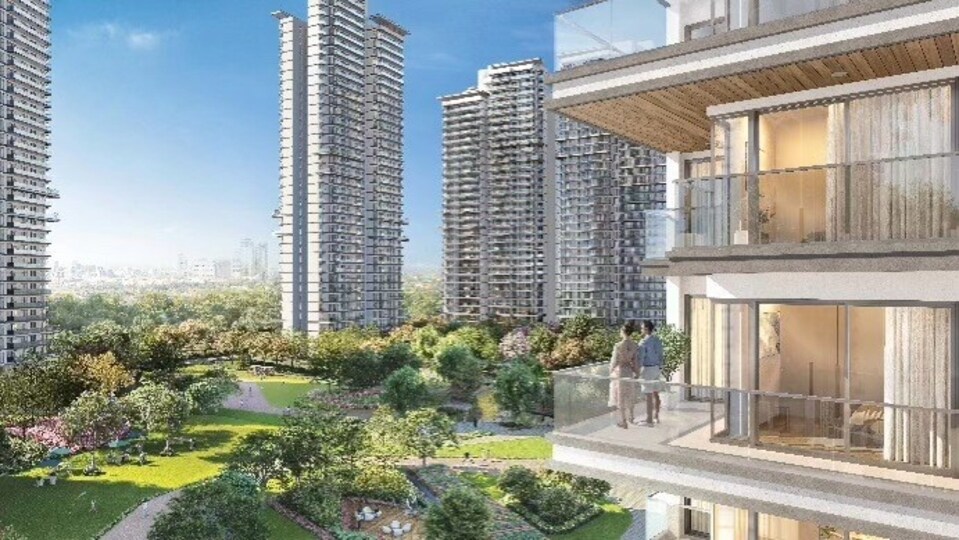
Emaar India's Serenity Hills features extensive landscaped areas and a central green zone, a focus on environmental quality and everyday comfort.

 Prefer HTon Google


Cities are constantly evolving. As urban centres become denser and more connected, the expectations people have from their homes also change. For a long time, the way property value was judged was straightforward. The address of a project held importance, followed by the quality of construction, architectural design and the developer’s brand reputation. In the luxury housing segment, the first and often the most decisive question for buyers was always about location.
However, this perspective is gradually shifting.
In cities like Gurugram, infrastructure improvements and expanding road networks have transformed how residential areas are perceived. Locations that were once considered distant or less desirable are now well connected to major commercial and lifestyle hubs. At the same time, traditionally premium neighbourhoods are becoming increasingly vertical as land availability tightens. In such a scenario, location alone is no longer enough to define the value of a residential project.
Homebuyers are now evaluating developments through a broader lens, one that places importance on the quality of the living environment. Among the factors gaining attention is the availability of large, well-designed open spaces within residential communities.
Research indicates that this preference is becoming increasingly widespread. According to Knight Frank Research 2024, more than 80% of urban buyers say that the presence of open green areas plays a role in their home purchase decisions. Similarly, JLL Residential Market Insights 2024 reports that nearly three out of four buyers tend to prioritise residential projects located close to expansive and continuous green spaces when assessing their options.
These insights suggest that the meaning of luxury housing is gradually evolving. Rather than focusing solely on status or prestige, buyers are increasingly looking for homes that enhance everyday comfort and well-being.
Recent experiences have further reinforced this shift. With people spending extended periods at home, elements such as views, balconies, and access to outdoor environments have become more important than before. Many residents realised that having greenery nearby, even within the boundaries of their own residential community, can support daily living.
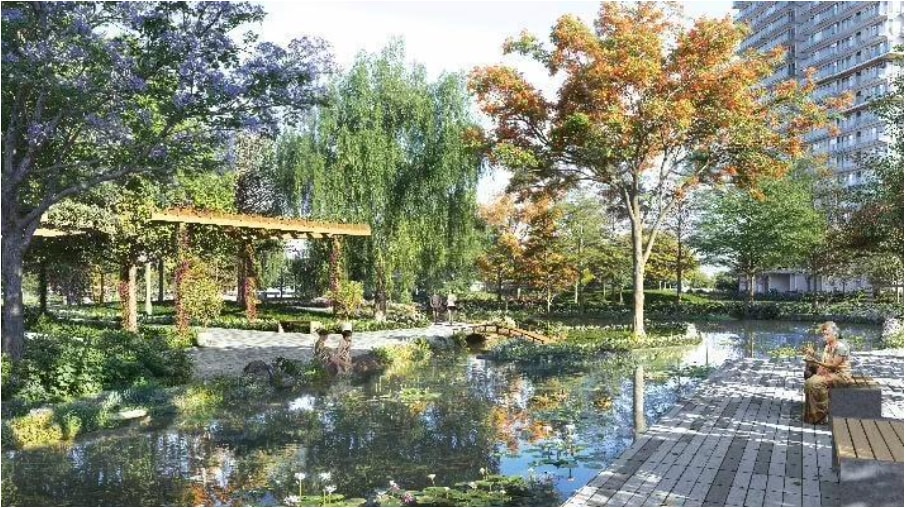
At the same time, buyers are also becoming more discerning about the kind of green spaces offered in residential projects. While landscaped gardens are common in many developments, they are often distributed in small, decorative pockets. Buyers are seeking larger, uninterrupted green areas that allow for walking, recreation and a more immersive connection with nature.
Yet projects that can provide such expansive landscapes are becoming harder to develop. As cities continue to grow and land parcels become smaller, opportunities to design large-scale green environments within residential developments are steadily diminishing.
Against this backdrop, Serenity Hills by Emaar India in Sector 86 represents a residential approach that positions greenery as a central design element.
Spread across more than 25 acres, the project dedicates over 20 acres to landscaped open areas. At the centre of the development lies an 8-acre uninterrupted green zone designed to serve as the focal point of the community. A waterbody and a well-designed promenade further enhance the landscape, creating a setting where residents can engage with nature as part of their everyday routine.
In this development, green spaces are not treated as isolated additions but as core components of the overall master plan.
The residential towers launched in the current phase have been positioned to face these expansive landscapes, reinforcing the emphasis on openness rather than density. The homes themselves feature generous layouts, large balconies, and full-height glass corners that improve both the visual and physical connection with the surrounding greenery.
The project also includes close to one lakh square feet of lifestyle amenities, anchored by a clubhouse spanning approximately 65,000+ square feet. Sustainability has been integrated into the planning as well, reflected in the project’s IGBC Platinum Pre-Certification.
As Gurugram continues to expand, developments that can offer large, integrated green landscapes are likely to stand out even more. With land becoming increasingly scarce and urban density continuing to rise, the opportunity to live in close proximity to nature may become one of the defining elements of premium housing.
In this evolving urban narrative, luxury is gradually being redefined, not just by the location of a home, but by the quality of the environment it provides for the people who live there.
Note to the Reader: This article is part of Hindustan Times' promotional consumer connect initiative and is independently created by the brand. Hindustan Times assumes no editorial responsibility for the content.


