The 28-year-old mastermind of the ‘cabbie gang’, Sahil Hussain, turned to robbery after he was abducted and his kidney was extracted in 2014.
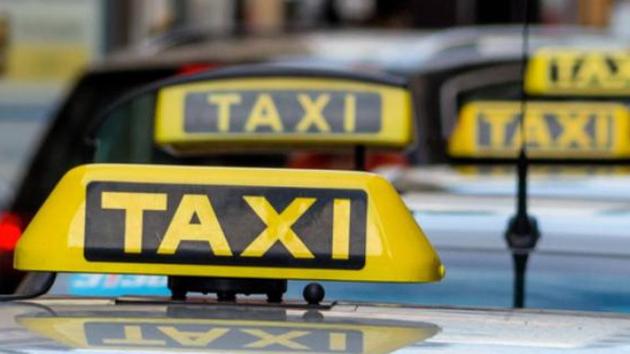
While the incident left him shocked, he thought his way of taking revenge was threatening to remove the organs of robbery victims if they did not share their ATM PINs, police said.
Hussain had lost consciousness after a traffic collision in 2014 in Uttar Pradesh. When he regained consciousness, he found that one of his kidneys had been removed.
“It was March 2014. I had gone to Bulandshahr in Uttar Pradesh and the incident took place when I was travelling in a cab. I met with an accident and when I woke up, I found myself in Meerut, near the railway station. I returned home,” said Hussain.
There were multiple injuries on his body and he had to get stitches on his head, leg and stomach.
“After I returned home, I rested for a few months but I had severe back pain. After a lengthy process and diagnosis by doctors, I was told the pain was due to the removal of a kidney,” said Hussain.
He said that day he thought of taking revenge and had also planned to remove his victims’ kidneys, but could not get any lead on how to sell them.
{{/usCountry}}He said that day he thought of taking revenge and had also planned to remove his victims’ kidneys, but could not get any lead on how to sell them.
{{/usCountry}}“I don’t know how long I will live without one kidney but I wanted a kidney transplant and for that, I need ₹50 lakh, which is possible only through crime. I found that buying a car and robbing people was the easiest way,” said Hussain.
Shamsher Singh, assistant commissioner of police (ACP), crime, said the accused told the police that they were inspired by the Maxi cab gang, which had killed about 30 passengers on the highway in 2006, and operated only on the Gurgaon Expressway (NH-8).
The Maxi gang targeted passengers who were alone and were waiting for public transport at isolated locations, four times a day.
“The cabbie gang members loved to gamble, enjoyed lavish meals at Nizamuddin in Delhi and followed the news every day. For them, robberies were fun and they had planned to target 1,000 people in the next six months and added 10 more people to their gang. The gang jointly wanted to start a hotel in Nuh and had even finalised a site,” said Singh.
“The gang had also met a few restaurant owners in Old Delhi and Nizammudin to start a Mughlai food restaurant,” he said.
The police said they targeted executives who seemed to be in a hurry and were unaware of the crimes in the city.
“They had read about Karan Malhotra, who was robbed after he boarded a cab on November 25 to return to his residence in Jain Park, Delhi, near the Airtel building, on the NH-48,” said Singh.
“The accused knew the police would be vigilant and so, for a week, they operated in Delhi near the Karnal bypass,” Singh said.
Sahil said, “We took a break for a few days, but when the police didn’t take any major action, we were back in business. The Maxi gang, in 2006, had robbed and killed about 30 persons on the highway, but we decided not to kill any victim.”
Sahil said that unlike the Maxi gang, when victims begged to spare their company laptops for fear of losing their jobs, they would listen.
While some gang members were scared of using electronic gadgets, Sajid was confident of selling them.
For Shahid, another accomplice, withdrawing money from ATMs and collecting it was a pleasure. The gang operated near the highway so that escape would not be a problem. The four accused claimed to have withdrawn around ₹20 lakh from their victims’ accounts.
Stay updated with all the Breaking News and Latest News from Mumbai. Click here for comprehensive coverage of top Cities including Bengaluru, Delhi, Hyderabad, and more across India along with Stay informed on the latest happenings in World News.
Stay updated with all the Breaking News and Latest News from Mumbai. Click here for comprehensive coverage of top Cities including Bengaluru, Delhi, Hyderabad, and more across India along with Stay informed on the latest happenings in World News.