
 E-Paper



Air pollution may aid infection-causing bacteria, reduce efficacy of antibiotics


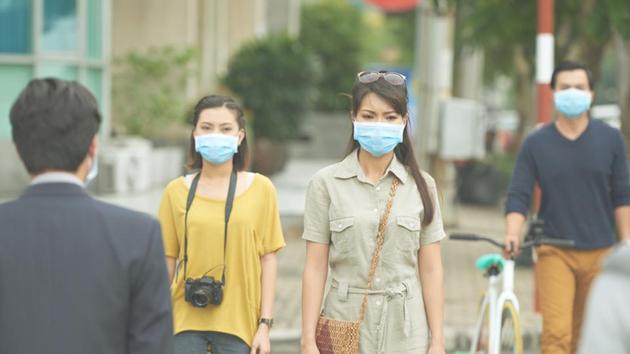
A new study says air pollution increases resistance of infection-causing bacteria to antibiotics.
Air pollution may increase the potential of bacteria that cause respiratory infections to tolerate antibiotic treatment, suggests new research.
“This work increases our understanding of how air pollution affects human health,” said study lead author Julie Morrissey, associate professor at University of Leicester in Britain.
“It shows that the bacteria which cause respiratory infections are affected by air pollution, possibly increasing the risk of infection,” Morrissey said. The study, published in the journal Environmental Microbiology, looked into how air pollution affects the bacteria living in our bodies, specifically the respiratory tract – the nose, throat and lungs.
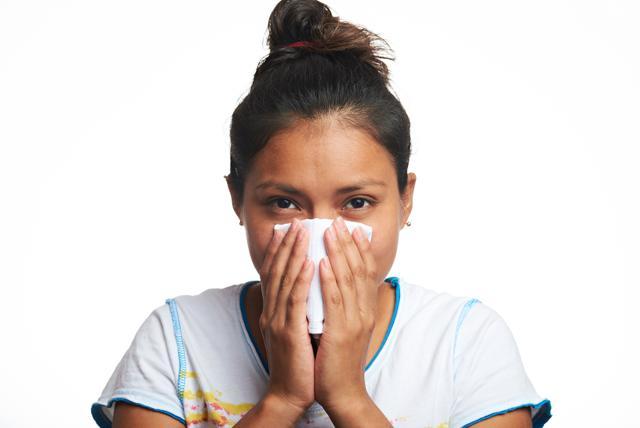
A major component of air pollution is black carbon, which is produced through the burning of fossil fuels such as diesel, biofuels, and biomass. The research showed that this pollutant changes the way in which bacteria grow and form communities, which could affect how they survive on the lining of our respiratory tracts and how well they are able to hide from, and combat, our immune systems.
The research focused on two human pathogens, Staphylococcus aureus and Streptococcus pneumoniae, which are both major causes of respiratory diseases and exhibit high levels of resistance to antibiotics.
The research team found that black carbon alters the antibiotic tolerance of Staphylococcus aureus communities and importantly increases the resistance of communities of Streptococcus pneumoniae to penicillin, the front line treatment of bacterial pneumonia.
It was also found that black carbon caused Streptococcus pneumoniae to spread from the nose to the lower respiratory tract, which is a key step in development of disease.
Follow @htlifeandstyle for more.
Catch your daily dose of Fashion, Taylor Swift, Health, Festivals, Travel, Relationship, Recipe and all the other Latest Lifestyle News on Hindustan Times Website and APPs.


