
 E-Paper



Major discovery: HIV replicates even when not detected
The study’s main author, Steven Wolinsky, said: “We have a path to a cure. The challenge now is to deliver drugs at clinically effective concentrations to where the virus continues to replicate within the patient.”


HIV continues to replicate in lymphoid tissue even when it is undetectable in the blood of patients on antiretroviral drugs, an international team of researchers, including experts from the University of Oxford, has found.
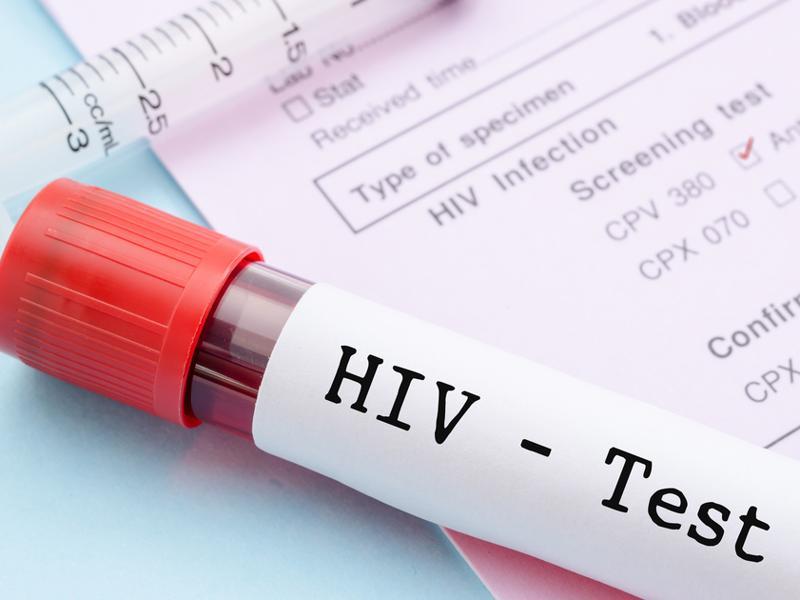
The findings provide a critical new perspective on how HIV persists in the body despite potent antiretroviral therapy. The study, led by the Northwestern University in the US, has been published in the journal Nature.
Read: Injecting drugs fuels HIV in Delhi
The study’s main author, Steven Wolinsky, said: “We have a path to a cure. The challenge now is to deliver drugs at clinically effective concentrations to where the virus continues to replicate within the patient.”
Combinations of potent antiretroviral drugs quickly suppress HIV to undetectable levels in the bloodstream of most patients, but HIV persists in a viral reservoir within lymphoid tissue in the body, a university release said.
Read: Resolve to fight HIV through preventive care
The virus rapidly rebounds in the blood if patients stop their drugs. This suggests that long-lived latently infected cells and/or ongoing low levels of HIV replication maintain these viral reservoirs.
The release said until now, most scientists believed the reservoir only contained long-lived infected cells in a resting state rather than newly infected cells, for two principal reasons. The team examined viral sequences in serial samples of cells from lymph nodes and blood from three HIV-infected patients, who had no detectable virus in their blood.
Read: A star’s dark spiral of drugs, sex, rehab
Scientists found the viral reservoir was constantly replenished by low-level virus replication in lymphoid tissue, with infected cells then moving from these protected sanctuaries into the blood.
“Because infected cells in drug-sanctuaries within lymphoid tissue can still produce new viruses, infect new target cells and replenish the viral reservoir, it has not been possible to purge the body of latently infected cells and eradicate the virus,” the release said.
Follow @htlifeandstyle for more.

Catch your daily dose of Fashion, Taylor Swift, Health, Festivals, Travel, Relationship, Recipe and all the other Latest Lifestyle News on Hindustan Times Website and APPs.


